
Commentary
In 21st-century America, we live in a culture of deadlines, goals, and destinations. No matter how many tote bags, mugs, and inspirational journals are emblazoned with mottos such as “Trust the process” and “Life is a journey, not a destination,” it’s impossible to deny that the focus is centered on anticipation of getting things, rather than fully entering in and enjoying those things once we’ve received them.
This concept is called Shiny Object Syndrome. Like crows, we hoard dazzling trinkets like priceless treasures, only to instantly forget them when we see the next shiny thing. This mindset can apply to jobs, vacations, and titles, as well as physical possessions.
I’ve been reflecting on how the finish-line mindset affects our calendar, too. We rejoice at the end of the workweek on Friday, but do we plan meaningful ways to spend our precious leisure hours? We celebrate the first day of spring, but do we look for ways to enjoy the season of rebirth? We post about friendship anniversaries on social media, but do we take a moment for a meaningful conversation with that friend to nourish the relationship?
Holidays: The Beginning or the End?
The same is true of holidays. The Christmas season seems to begin earlier each year, with holly decorating windows and merchandise lining shelves before the leaves even turn. However, as soon as December 25 arrives, the halls are speedily undecked to make way for the next thing, which is usually St. Valentine’s Day.
It wasn’t always like this, though. Christmastide used to stretch past late December and even past the New Year, beginning on Christmas Day and lasting through the Epiphany, in a tradition that’s just vaguely recalled by “The Twelve Days of Christmas.”
While the traditional liturgical season of Christmas is a faint shadow of its former self, the religious Easter season is all but forgotten. Divided between Christian memes that the word “Easter” is derived from pagan worship of the goddess of fertility and obnoxious advertising of seasonal candy that shows rabbits laying chocolate eggs, it’s far harder to find anything meaningful about this holiday outside of a church service.
There are no Easter carols, very few Easter films besides retellings of Christ’s passion, and few meaningful secular traditions. In comparison, there are a plethora of time-honored customs connected with Christmas, which can be very enjoyable and thought-provoking, whether you celebrate the religious aspect of Christmas or not.
Easter’s Glorious Past
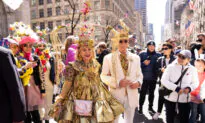
If you look 100 years to 150 years into the past, you’ll find that Easter wasn’t always the poor cousin of Christmas. In fact, around the turn of the 20th century, this springtime holiday rivaled its winter counterpart in terms of festivities and even merchandise. Events involved Easter eggs, bonnets, treats, fake flowers, and parades in the big cities to sport one’s best finery on the way to and from church. Special hats and other elaborate clothing were worn by ladies and gentlemen alike in these parades.
In New York City, the Easter Parade originated organically as churches would decorate their sanctuaries with beautiful flowers in celebration of the holy day. New Yorkers processed from their own church to others to enjoy the beautiful flowers, and it eventually grew into the main event of the day. As the parade grew over the years, it became such a big event that many people walked in it simply to see and be seen and not necessarily to attend a church service. While the Easter Parade still exists in New York City, it’s no more important than the St. Patrick’s Day Parade.
The former glory of Easter can be witnessed in the 1948 MGM musical film “Easter Parade.” Set a few years before World War I, the movie begins on the day before Easter. Fred Astaire walks down Fifth Avenue, whistling as he sings “Happy Easter” to everyone he meets. He then buys an elaborate hat, a huge lily, a large stuffed rabbit, and several other gifts to present to his sweetheart. While giving children Easter baskets with plastic eggs and candy is just about the only gift-giving associated with the holiday, people of all ages used to exchange gifts on Easter, just like in the movie.
Eastertide
The Easter Parade and the holiday in general retained their popularity and significance through the 1950s. After that, it became a minor celebration in pop culture, dominated by the rather unimpressive Easter Bunny. It’s worth noting that the decline in popularity of Easter coincided with the secularization of American culture in the 1960s, as many people moved away from the nation’s Christian roots.
What more is there to discover about Easter? Well, for one thing, Easter Sunday isn’t the end of the Easter season. It’s just the beginning! Although there isn’t a catchy tune about it, Eastertide is 50 days long in the traditional liturgical calendar, lasting from Easter Sunday until Pentecost Sunday, which is on May 24 this year. The whole season is one of joy, celebrating the paschal mystery (the resurrection of Jesus Christ from the dead).
This season is recognized as the most joyous and important time of the year for the Christian faith, yet most Christians dedicate only a few days in Holy Week to its celebration these days. Again, this is yet another reflection of the modern mindset we’ve embraced. It’s Easter! Yay! By Easter Monday, though, all of the festivities are quickly forgotten as we put away the plastic eggs, throw out the lilies, and start decorating for the Fourth of July.
Views expressed in this article are the opinions of the author and do not necessarily reflect the views of The Epoch Times.
 Friends Read Free
Copy
Facebook
Tweet
Friends Read Free
Copy
Facebook
Tweet