
Commentary
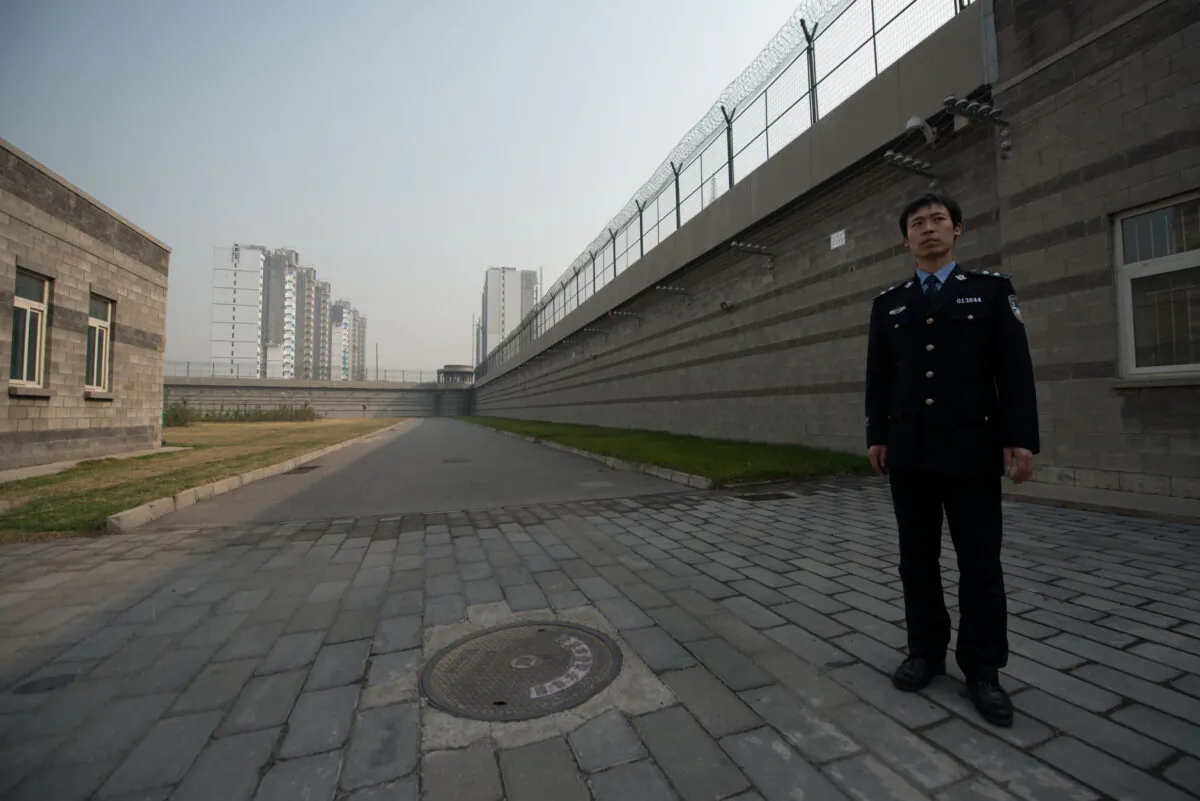
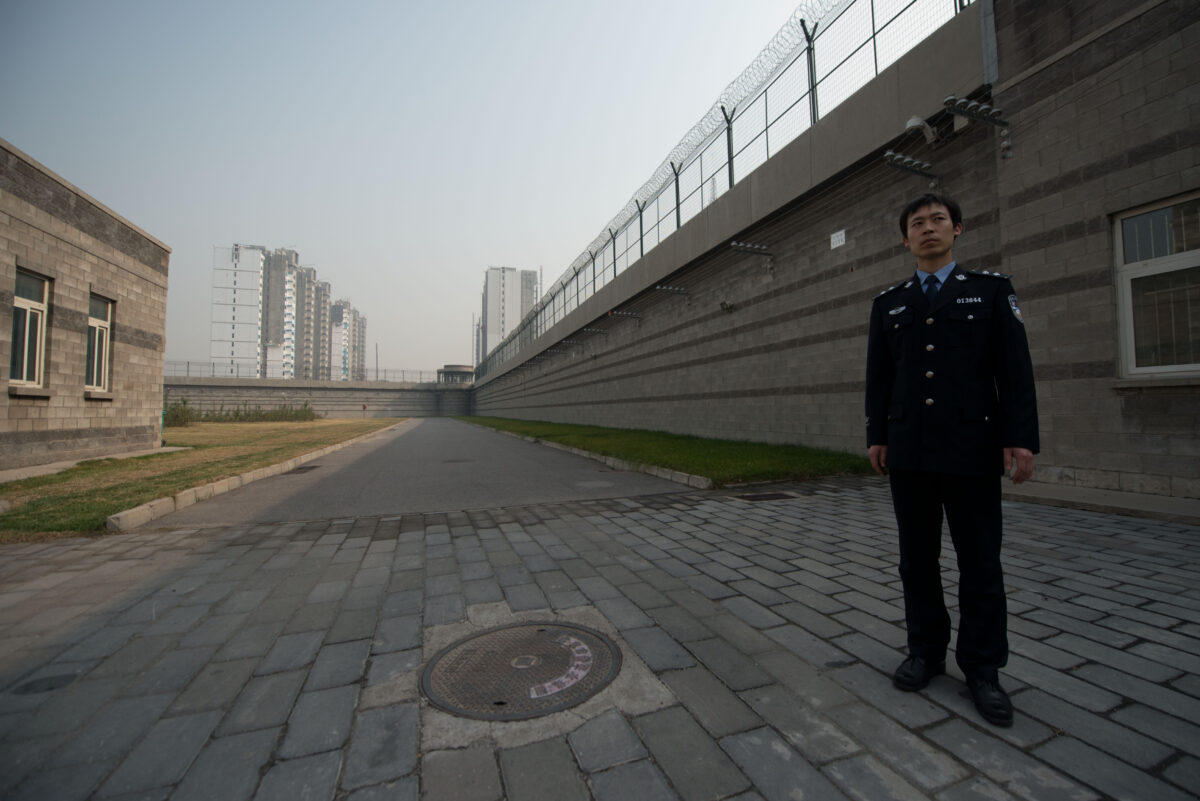
A recent study of more than a thousand cases of individuals charged with crimes between 2008 and 2022 in China reveals a troubling trend: The period spent waiting for trial and sentencing has grown significantly longer.
The report is the first proper data analysis of the subject, first released by Safeguard Defenders, which reinforces prior observations and adds data on how China’s court system is dragging out the waiting period for those persecuted and how it is seemingly getting worse the longer Xi Jinping remains in power.
The data show a significant increase in the time spent awaiting formal sentencing during Xi’s rule. For crimes related to so-called endangering state security, the average number of days from initial detention until delivery of verdict soared from 288 days during Hu Jintao’s second term (2008 to 2012) to 658 days during Xi’s first term (2012 to 2018). More worrying still, during Xi’s second term (2018 to 2022), it rose even further, to 716 days. There is little to indicate that we can expect a reversal of this trend during Xi’s unprecedented third term (2022 to 2026).
This dramatic increase cannot be attributed to a backlog in the system or general slower processing, as the total number of cases handled by the Chinese judiciary overall has not seen any comparable change. Instead, it appears that the significantly slower pace is deliberate and yet another new way for the Chinese Communist Party (CCP) to persecute its critics.
Endangering state security is as serious as it gets, with sentences up to life in prison or death for acts such as subversion, inciting secessionism, and collusion with foreign entities. Not long ago, Chinese civil rights activists Ding Jiaxi and Xu Zhiyong were sentenced to 12 and 14 years, respectively, for endangering state security. Their crime: a small private meeting to discuss a democratic transition.
While analyzing the waiting time from initial detention until delivery of the actual verdict, Safeguard Defenders also looked at disturbing social order (DSO) crimes, a less serious type of crime often used against critics, petitioners, rights defenders, and dissidents. There, too, one can easily identify a significant expansion in time spent in pre-trial detention awaiting sentencing, though not quite as dramatic. Still, it has changed from 270 days (2008 to 2012) to 340 days (2012 to 2018) and further to 412 days (2018 to 2022), and one can expect this trend to continue during Xi’s third term.
These DSO crimes are the most common charges against human rights defenders and include the now infamous “picking quarrels and provoking troubles” and “gathering a crowd to disrupt public order.”
The significantly longer waiting times for trial and sentencing suggest a deliberate strategy to prolong the detention of individuals accused of so-called political crimes. This raises serious concerns about the treatment of rights defenders and other individuals accused of these crimes.
Despite this, rights defenders in China show resilience unlike almost any I’ve personally seen elsewhere, despite disappearances, torture, and imprisonment. Almost without fail, once released, they return to their activism. Recent developments indicate that the CCP is increasingly targeting not just dissidents, critics, and rights defenders, but also their families and loved ones. This strategy shows that authorities understand that merely torturing and imprisoning individuals will not deter them from their cause.
For the victims, present and future, the cost of standing up for basic human decency and human rights is increasing—those of us who can must offer more, not less, support to these everyday heroes.
Views expressed in this article are the opinions of the author and do not necessarily reflect the views of The Epoch Times.
 Friends Read Free
Copy
Facebook
Tweet
Friends Read Free
Copy
Facebook
Tweet