
Commentary
What is President Donald Trump’s modus operandi (method of operation) in negotiations with both allies and global rivals? Plenty of folks have a tough time figuring out his bargaining style since it can appear to be crude and mercurial in nature. When he was in the business world, Trump utilized a transactional method (“The Art of the Deal”) that would advantage his businesses but also concede benefits to his bargaining counterparts.
The president has transitioned from constructing buildings and careers into the rough and tumble of forging coalitions based on commonsense solutions to human challenges. So what is Trump’s model? Similar to President Lyndon Johnson, who was adept at convincing opponents, Trump utilizes a range of tactics to shape the leverage of his overall strategy. There’s a method to the so-called madness.
Some of those tactics include arm-twisting, exaggeration, humor, persuasion, praise, and threats to get his message across to whomever he is negotiating with. Indeed, there are times when several or all of those components can appear in one post on Truth Social or X or in face time with reporters. Issues discussed include conflict mediation, defense spending, domestic agency shutdowns, Iranian regime leaders, trading partners, and so forth.
Trump applies arm-twisting and humor to pressure negotiators to take his offers seriously, while exaggeration can create uncertainty in the minds of his counterparts. At times, President Ronald Reagan also used cajoling and humor when sitting across the table from his Soviet counterparts. Trump also dispenses reasonable praise and persuasion to soften the blows in negotiations, to appeal to the better angels of the leaders he is dealing with.
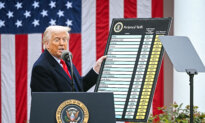
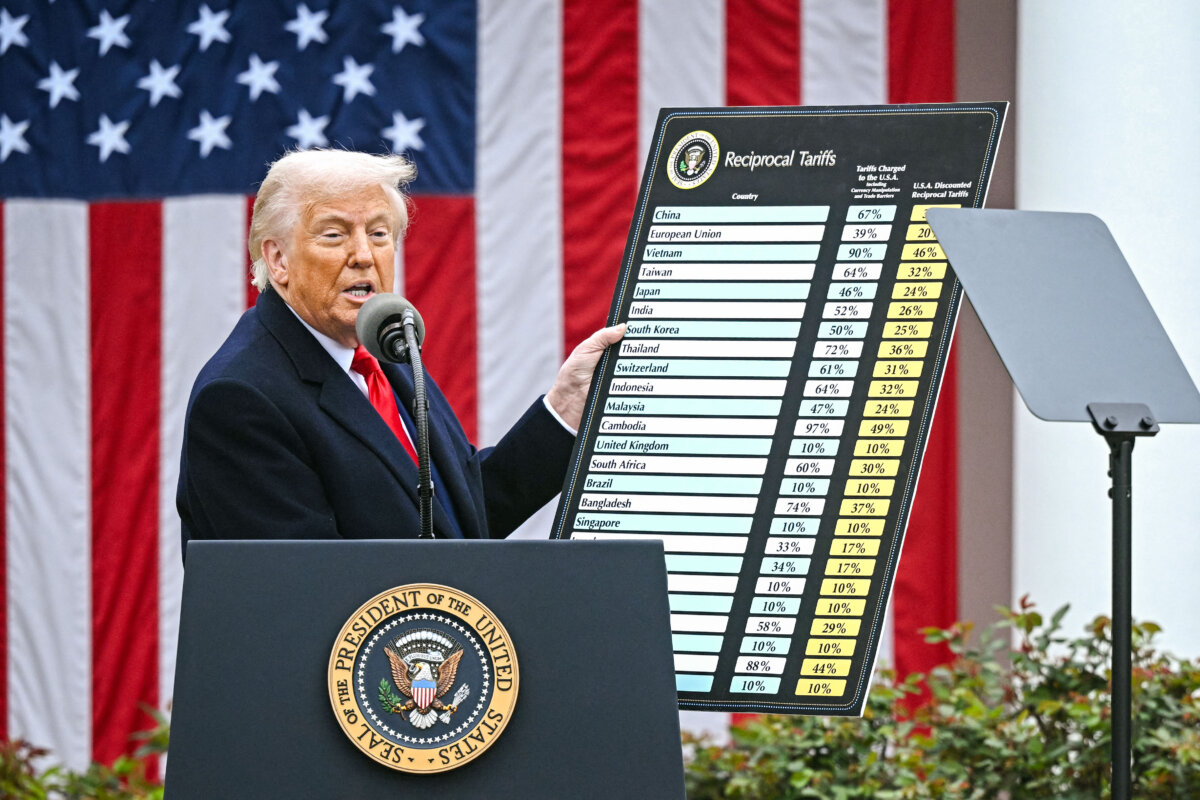
For example, when the president laid out his tariff regimen to the world last year, he began by pointing out levies that he was willing to impose on both global adversaries and allies. The graphic charts were displayed because of the obscene fees charged on U.S. products entering foreign nations. This was an attempt to pressure several countries to lower their trade barriers and taxes on imported goods.
Trump’s goal was to recalibrate trade so that it would be reciprocal for all parties concerned. Trade negotiations could lead to a de-escalation or a reduction in tariffs, which is a win-win situation for global investment and trade. The result was a flood of foreign investments into the United States. In a number of cases, he was able to decrease the level of taxes on specific foreign goods when trading partners lowered their fees on imported U.S. goods.
In foreign relations, Trump exaggerates when he claims that he will turn Canada into the 51st state or that he will seize Danish-controlled Greenland or Cuba and Venezuela. His goal is to pressure Canada and Denmark to carry out greater legwork in national security matters to counter the malign intentions of the Chinese communist regime and Russia. He also hopes for an equal partnership with them on economic and defense matters. Moreover, Trump applies persuasive pressure on the Cuban and Venezuelan leadership to convince them to treat their populations with dignity and allow for greater freedom and opportunity.
The same applies to pulling out of NATO and the United Nations. It’s unlikely that Trump’s threat to cut ties with these organizations will occur. However, they have become overdependent on generous U.S. financial and military contributions in maintaining stability and responding to conflicts and natural disasters. The United States cannot afford to assume nearly complete responsibility for the progress and security of scores of nations around the globe.
A key to understanding Trump’s dealmaking is to recognize his patience within a seemingly frenetic pace of possible scenarios. He routinely offers a good-faith diplomatic off-ramp to foreign leaders to gauge for reciprocity. For example, he gave former Venezuelan leader Nicolás Maduro the option to turn himself in to law enforcement, as he was an indicted cartel leader. Maduro refused and was thus extracted from Venezuela and brought to New York City to face trial. Trump isn’t hesitant to apply armed force when reasonable offers are rejected.
In addition, Trump offered the Islamic Republic of Iran several opportunities to halt subterranean uranium enrichment, long-range ballistic missile production, and the sponsorship of regional terror groups. The regime didn’t comply, resulting in Operation Midnight Hammer, which crippled Iran’s nuclear ambitions. Following that, the regime continued to produce deadly drones and missiles and the funding of its proxies, which ultimately led to Operations Epic Fury and Roaring Lion (Israel).
Sometimes offering recalcitrant leaders a way out can generate unforeseen complications. For example, prior to implementing a temporary ceasefire with Iran, it might have been helpful to neutralize the drones and missiles along Iran’s western coast as well as the armed speedboats that target commercial shipping and set up ocean mines. These boats continue to attack commercial vessels despite the naval blockade. What nations don’t want is a desperate Islamic Revolutionary Guard Corps striking a fully loaded oil tanker or Kharg Island’s infrastructure, which could create an ecological disaster in the Persian Gulf or Strait of Hormuz.
By implementing peace through strength and unpredictable tactics in an overall strategy of shorter conflicts, Trump hopes to generate economic opportunity and stability in nations that have suffered under oppressive rule for decades. Sometimes winning the peace demands an ingenious application of creative diplomacy and kinetic actions. This is what Trump often executes to enhance global prosperity and security.
Views expressed in this article are the opinions of the author and do not necessarily reflect the views of The Epoch Times.
 Friends Read Free
Copy
Facebook
Tweet
Friends Read Free
Copy
Facebook
Tweet