
Commentary
Look, I get it. The economy is important. What with the on-again, off-again tariffs announced by U.S. President Trump against Canada and others around the world, leaders need to take measures to ensure that their exports go to fair markets. After all, Canada relies heavily on selling its wares elsewhere. Indeed, we have depended far too long on one destination—the United States—and need to diversify.
But what if the countries Canada is courting also happen to be involved in nefarious activities here? Should we pursue trade ties with regimes which send hit squads and try to undermine our democracy?
Recent remarks by Prime Minister Mark Carney appear to suggest we may be continuing down this path.
Not only has he decided to invite the Indian prime minister to the upcoming G7 summit in Kananaskis, Alberta, next week—even though India is not a member of the G7—but he has also stated his desire to “regularize communication” with the Chinese regime, whatever that means.
This is while the RCMP is investigating Indian officials for alleged involvement in the murder of Sikh activist/extremist (depending on which report you read) Hardeep Singh Nijjar in B.C. in June 2023.
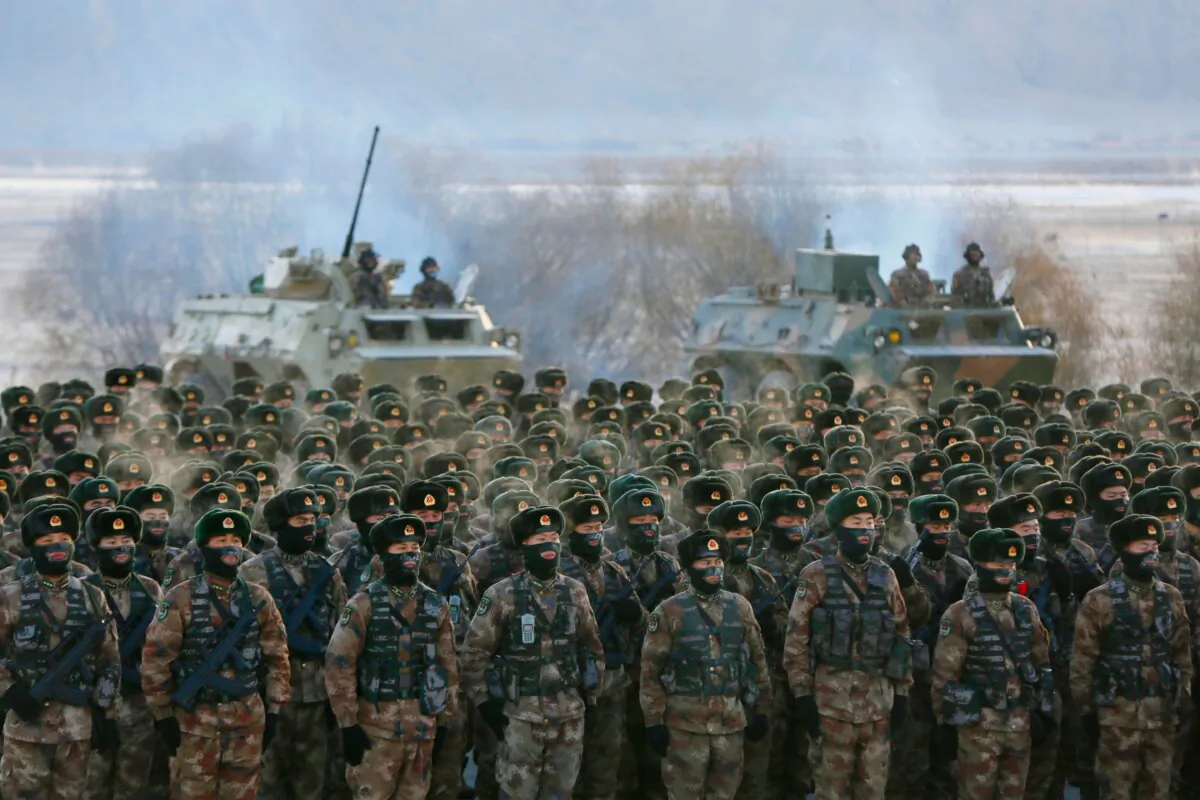
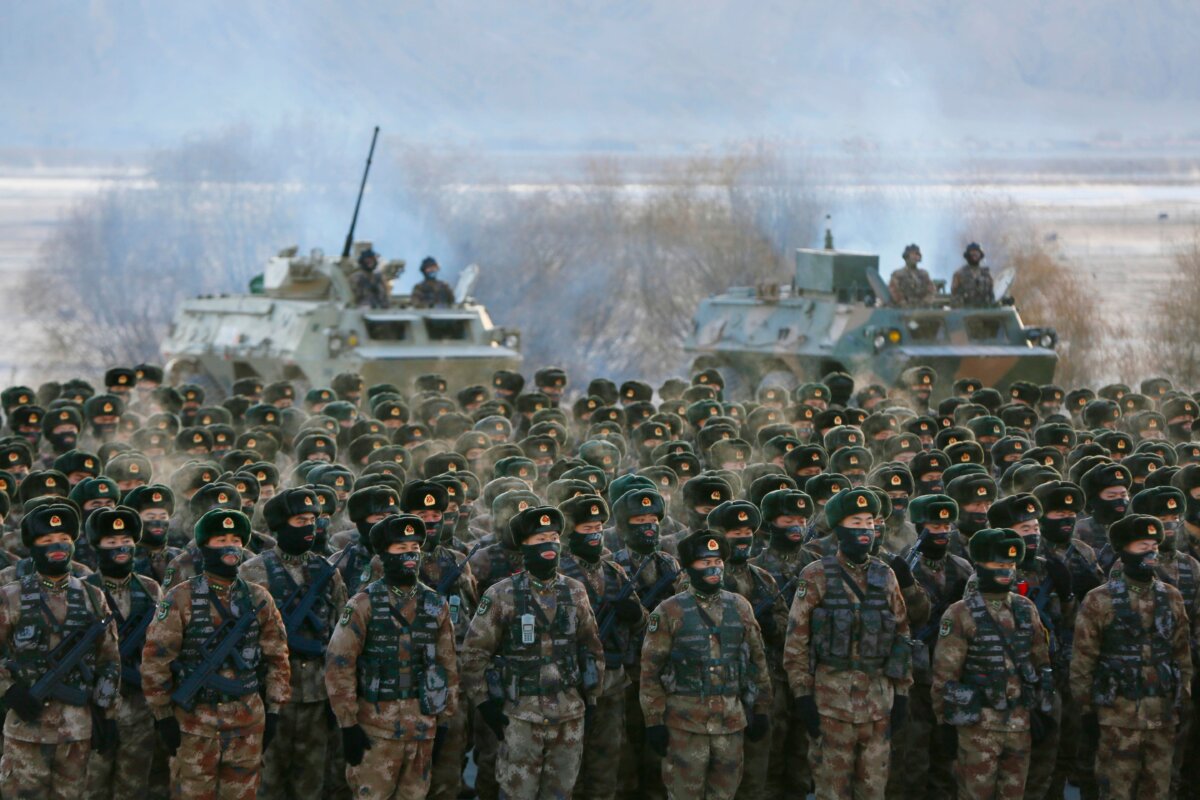
As for China, the list is longer. Much longer. Illegal police stations established to monitor Chinese Canadians, harassment of a variety of communities (Tibetan, Uyghur, Hong Kong, Falun Gong, etc.), interference in our elections going back decades, and the incarceration under made-up pretences of Canadian citizens (the “two Michaels”) are among the regime’s more notable egregious activities. I could go on, but you get the point.
What should Canadians take from this? It’s simple. The current instantiation of the federal government appears to still leave much to be desired when it comes to the issues of national security. For years, the previous government ignored intelligence from the Canadian Security Intelligence Service (where I worked in counter-terrorism for 15 years), called our spies “racist” for even suggesting that China wanted to influence the vote, and even tried to get CSIS to re-write intelligence analysis it found “inconvenient.”
None of this comes as a surprise to me. Alas, the poor intelligence culture in this country—and by that I mean a bureaucracy that largely fails to appreciate what this kind of information is and what it can do for us—has long been a failing. If these moves by the government are any indication, it seems that nothing was learned from the Hogue Commission on election interference and that nothing will be done to make things more secure (where is that foreign agent registry, by the way?).
Is it not possible to strengthen our economy and enhance national security at the same time? I think it is. Perhaps we could start by engaging more with our partners in the European Union—a market of 447 million consumers (bigger than the United States)! And the EU is made up of liberal secular democracies (OK, mostly if you don’t throw in Hungary under Viktor Orban and Slovakia under Robert Fico) which have not, to the best of my knowledge, sent hit squads to Canada or buses of students to vote in candidate meetings.
In any event, what do these decisions tell our adversaries? They send a strong signal that we are open for business, but not the business we want. The business of intimidating diaspora communities. The business of engaging criminal elements to take out dissidents. The business of buying members of Parliament. None of this is what most Canadians see as legitimate “business,” I would wager.
Views expressed in this article are the opinions of the author and do not necessarily reflect the views of The Epoch Times.
 Friends Read Free
Copy
Facebook
Tweet
Friends Read Free
Copy
Facebook
Tweet