Inflation Expectations Are Falling
Another area in which analysts misjudged the economy is inflation. After years of elevated price pressures, many expected inflation expectations to remain stubbornly high.
"The eurozone inflation environment remains very sanguine for the moment. Inflation is close to target, and core inflation—while still slightly above target for the moment—is quite stable," ING analysts said in a note.
"These findings contradict claims that tariffs or tariff-fears would lead to an acceleration of inflation."
The report arrives amid ongoing debate over whether Trump’s tariff measures might eventually push inflation higher.
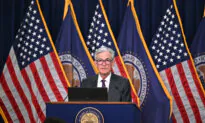
"I do think with the arrival of the tariff inflation, further progress may be delayed" in achieving the Fed's 2 percent annual inflation rate, Powell said.
While the broader economy is out of your control, you can take steps to protect yourself from the psychological impact of inflation.
The Anxiety of Inflation
When prices start sneaking up, it’s natural to feel concerned.
“Tariffs will boost U.S. inflation, which is still proving sticky. A crackdown on immigration could add to inflation by reducing labor supply growth and we have raised our U.S. inflation forecasts,” the report reads.
Sure, technically, the inflation rate is down from the high, but it's still very high.
Curing inflation isn’t hard, but it does take political will, discipline, and thinking outside of the box.
Revenue and spending for local governments have increased faster than inflation and population growth, reaching near record levels, according to a new study.
President Donald Trump confirmed that the United States has seized an oil tanker off the coast of Venezuela. We have footage of the military operation. The Federal Reserve has cut interest rates by a quarter point. Economist John Lonski explains how the decision could affect consumers and how Wall Street is responding. A federal judge […]
For the first time in four months, inflation in the United States cooled off. According to the Bureau of Labor Statistics, the Consumer Price Index was 2.8 percent for the year-long period that ended in February.
It remains to be seen whether a break in climbing inflation is a blip on the radar, but other indicators are flashing red for longer-run inflation trends.
Australia’s inflation rate held steady in January, but a slight rise in core inflation has cast doubt on the possibility of another interest rate cut in the first half of the year.
“Inflation is back," Trump told Fox News during an interview alongside tech entrepreneur Elon Musk that aired on Feb. 18. "I'm only here for two and a half weeks, and they said, ‘Oh, Trump inflation’ and I had nothing to do with that.”
What if inflation were running at 40 percent and then rising by only 35 percent? Would he dare go to print with an article claiming that inflation is improving? Not likely.
UK inflation rate. (PA Graphics)
Inflation is expected to steadily rise further over the coming months, with the Bank of England predicting inflation will peak at 3.7 percent in late summer.
“There’s tremendous pain in that burst of inflation that was very global—this was everywhere in all advanced economies at the same time,” Powell said. “Now, inflation itself is way down, but people are still feeling high prices.”
Shelter inflation slowed to 4 percent on a 12-month basis.
Supercore inflation excluding housing services—a metric used by the Federal Reserve to monitor inflation—fell by 0.2 percent and slowed to an annual rate of 2.9 percent.
Implications
Inflation falling below the Bank of England’s (BoE's) 2 percent inflation target, which was exceeded for years owing to high energy prices and supply chain disruptions, could drive a shift in the UK’s economic trajectory.
In other words, about 91.7 percent of the excess inflation realized in the post-pandemic period was demand-driven.
Supply-Driven Inflation, Now
Might the recent uptick in inflation also be demand-driven? It is certainly possible.