The RBA's preferred measure of inflation is trimmed mean inflation, but it also looks at headline inflation and other measures. The bank targets an inflation rate of 2 to 3 percent.
Inflation is much of the reason. It's more evil than we know, like a cancer that gradually eats the heart of a good society. But let’s be clear: Inflation and free enterprise don't mix. Not now, not ever.
Underlying Inflation Shows Modest Increase
While headline inflation has remained relatively stable, underlying inflation measures suggest ongoing challenges.
The annual trimmed mean inflation rose to 3.5 percent, up from 3.2 percent in September.
The Federal Trade Commission (FTC) is suing major pharmacy benefit managers (PBM) for allegedly artificially inflating the price of insulin, the agency announced on Sept. 20.
Inflation receded in February for the first time since September 2024, driven by easing price pressures for gasoline and shelter.
The U.S. annual inflation rate slowed to 2.8 percent last month.
Other market pricing, including multiple breakeven rates embedded in inflation-protected Treasury securities, points to lower market-based inflation expectations compared with earlier in the year.
Chalmers Highlights Inflation Progress
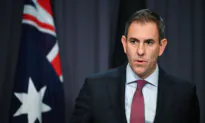
Reacting to the latest inflation data, Treasurer Jim Chalmers emphasised the significant progress made in tackling inflation since the current government took office.
Commentary
Claims that China is leading in research output are misleading, as state-owned universities are inflating statistics through the use of fabricated, plagiarized research and coerced citations.
Inflation has risen over the past three years, and wages haven’t kept pace with the yearly inflation rate.
What are some common sense solutions to stubborn inflation?
And contrary to some expectations, consumer prices are now going down, and inflation is dropping as well.
We’ll discuss this topic and others in this episode of "Crossroads."
Trimmed Mean Inflation Remains Elevated
Westpac economist Justin Smirk expressed optimism regarding progress on underlying inflation but noted that a 3.5 percent trimmed mean inflation remains stronger than the Reserve Bank of Australia (RBA)'s target
In 2022, Congress passed the Inflation Reduction Act (IRA), which includes several provisions to help lower prescription drug costs for Medicare beneficiaries.
Meanwhile, “inflation is still meaningfully above our target” of 2 percent. The 12-month inflation rate has consistently remained above the 2 percent level since March 2021.
Canada saw its inflation rate jump from 2.2 percent in March 2021 to 8.1 percent in June 2022, while the U.S. inflation rate rose from 2.6 percent to 9.1 percent during the same period.
Inflation persists and jobs are decaying.
On inflation, the U.S. Bureau of Labor Statistics (BLS) reported prices rose 3.5 percent between March 2023 and March 2024. This bad number is far higher than the U.S.
Families continue to feel the persistent inflation in the U.S. The Federal Reserve’s preferred inflation gauge rose in April, according to a Bureau of Economic Analysis report. NTD hears from some Californians.
"When we came to government, inflation had a six in front of it; it's now tracking down with a three in front of it," she said, adding that Australia has passed its inflation peak.
The monetary authorities were somewhat confident that services inflation would soften amid the loosening of labor conditions. However, the annual services inflation rate rocketed to 5.3 percent.
Inflation slowed more than expected in April, despite building tariff-related price pressures. Consumer prices rose 0.2 percent last month. That brings the annual inflation rate to 2.3 percent—the lowest since February 2021.
Food inflation cooled somewhat to 2.9 percent in June, down from 3.4 percent in May. StatCan pointed to lower costs for fresh vegetables as driving down inflation at the grocery store.