Topics in this episode:
Pneumonia Outbreaks in China Spark COVID-19 Fears
DHS: 270 Suspected Pot Marijuana Operations in Maine
Chinese Shadow Bank Trapped Under Huge Debt
Analyzing WSJ Report on Chinese Submarine Dominance
SHEIN En Route to
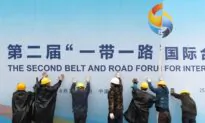
China’s investment offers, mainly through its Belt and Road Initiatives (BRI), have been widely criticized for setting up debttraps for recipient countries, along with accusations of espionage and infiltration.
"But equally we need to make sure that people don't get in over their head, don't find themselves in a debttrap."
Private house sales rose 3.6 percent in August and sales for the three months to August were up 36.5 percent on a year ago.
Beijing has poured billions of dollars into infrastructure projects across Africa, Latin America, Eastern Europe, and Asia, and analysts worry it’s used to expand the regime’s global influence while ensnaring developing countries in “debttraps.”
The BRI has been criticized by international communities of “becoming a colonialist power”and a “debttrap diplomacy” of the CCP, and have encountered pushback.
The Shine Is Off
But foreign aid debttraps and spyware scandals certainly took some of the shine off China’s global reputation. The world started to open its eyes.
The agreements have been engulfed in a wave of controversy over concerns the BRI is a "debt-trap."
Several developing nations have been saddled with massive debt-to-finance projects built under the initiative.
Under BRI, the CCP is reported to significantly undercut foreign companies for infrastructure bids and loan unserviceable amounts to countries that cannot afford the BRI projects, resulting in debt-trap diplomacy.
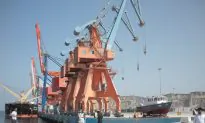
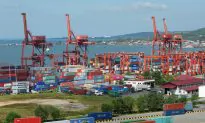
In Colombo, Sri Lanka’s answer to Dubai is the Chinese-funded Port City, an island of 665 acres of landfill and a “hidden debttrap.” In that city is also the Lotus Tower, never opened to the public, also funded by China.
Saudi Arabia, whose biggest trading partner is China, is a key player in Beijing's trillion-dollar Belt and Road Initiative (BRI), which seeks to extend China’s economic dominance throughout the world, often through debt-trap diplomacy.
China's growing stranglehold on African iron ore mines continues alongside its considerable influence on the continent through years of money lending and debt-trap diplomacy.
The Simandou mine will be the largest in Africa (in the red oval).
It appears that Beijing is taking a page out of its Belt and Road Initiative (BRI) debt-trap strategy and applying it to countries victimized by the CCP virus (novel coronavirus).
It's viral pandemic diplomacy at its finest.
Another DebtTrap?
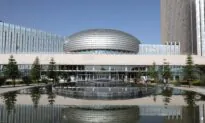
He also visited the African Union Headquarters in Addis Ababa, Ethiopia, where he responded to allegations that China is creating a "debttrap" in Africa, saying that it is a false narrative, intentionally imposed on the cooperation between China and
This promised transparency is a bid to counter Beijing’s “debt-trap diplomacy.” BRI has drawn rising criticism in the West over its role in saddling developing countries with unsustainable debt burdens.
Critics have argued that BRI has put developing countries into “debttraps.”
“They can force its use, and imagine what kind of stranglehold they will have over the world if they hold all of our capital that way,” Bass said.
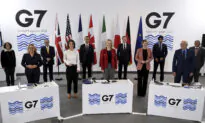
Officials said that “There was serious discussion about G7 coordinated action to counter China over disinformation and to support countries snared in what critics cast as China's global debt-trap web,” according to Reuters.
Due to the Belt and Road Initiative (BRI) debttraps, the spyware of Huawei, the propaganda focus of the Confucius Institutes and more, most of the goodwill toward China has been lost.
Additionally, under the deal, the CCP (Chinese Communist Party) is reported to significantly undercut foreign companies for infrastructure bids and loan unserviceable amounts to countries that cannot afford the BRI projects, resulting in debt-trap diplomacy
The push for closer Australian-Pacific Islands defence ties comes as China is tightening its grip in the Pacific region by trade, debttrap and infrastructure investment under the Belt and Road Initiative (BRI).
The BRI has been criticized by the U.S. and other countries as a “debttrap” diplomacy that will saddle developing countries with unsustainable debt burdens.
It has been criticized by the United States and other countries as an example of “debttrap” diplomacy, which saddles developing countries with unsustainable debt burdens while allowing the regime to export its technology and governance abroad.
Criticism has grown that China's BRI is a debttrap plagued by waste and questionable loan repayment tactics. Detractors claim that it allows China to control or own projects when governments cannot repay their loans.
With current national debt standing at roughly $10 billion, Burma owes 40 percent of this to China. Last year, the county’s auditor general, Maw Than, voiced his concerns about China’s debt-trap diplomacy.
Xi’s “high-quality partnership” is more correctly centered on the spiderweb arrangement of his Belt and Road Initiative (BRI, also called "One Belt, One Road"), in which the web ensnares other countries in debttraps for the benefit of China (the spider
Tsukerman said that the same "debttrap" model could easily be used to take control and install CCP military installations in Argentina or other locations in Latin America.
Two emergent trends encapsulate the inescapable trap of student debt repayment. First, the rate of serious delinquencies on student loans is approaching an all-time high.