
The Chicago Bears fight song contains the words, “You’re the pride and joy of Illinois.”
But might they move to Indiana? This is one of many questions facing the storied NFL franchise as it looks to build a new stadium.
Here is a breakdown of what’s driving relocation efforts, as well as concerns about funding.
Reasons for New Stadium
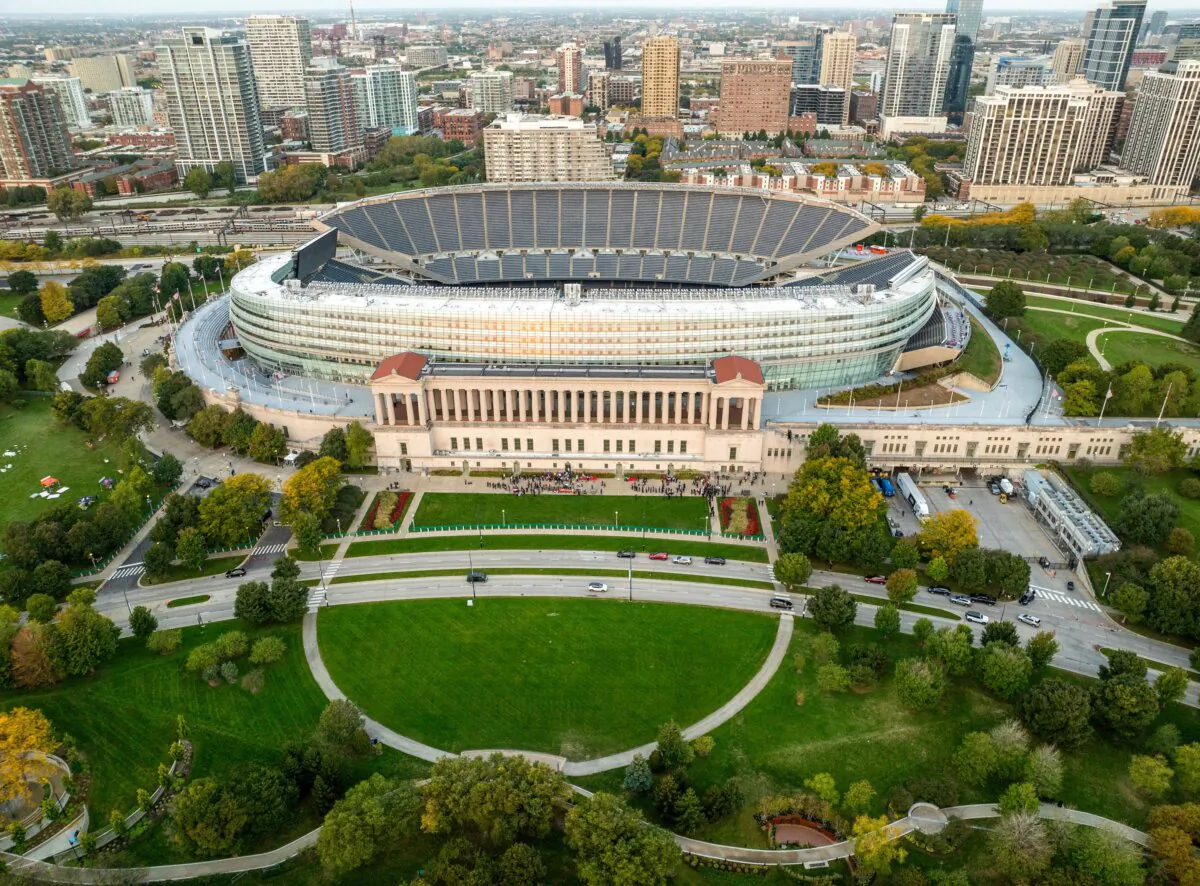
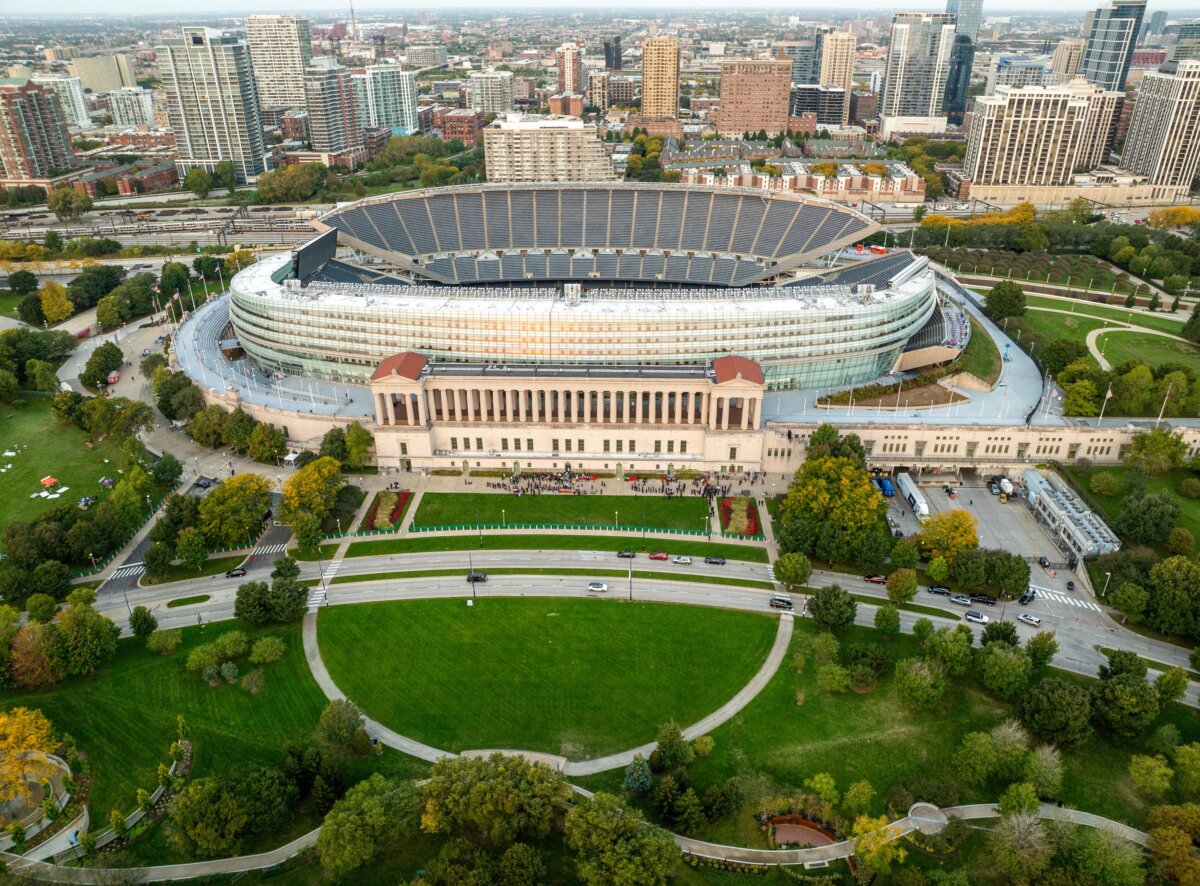
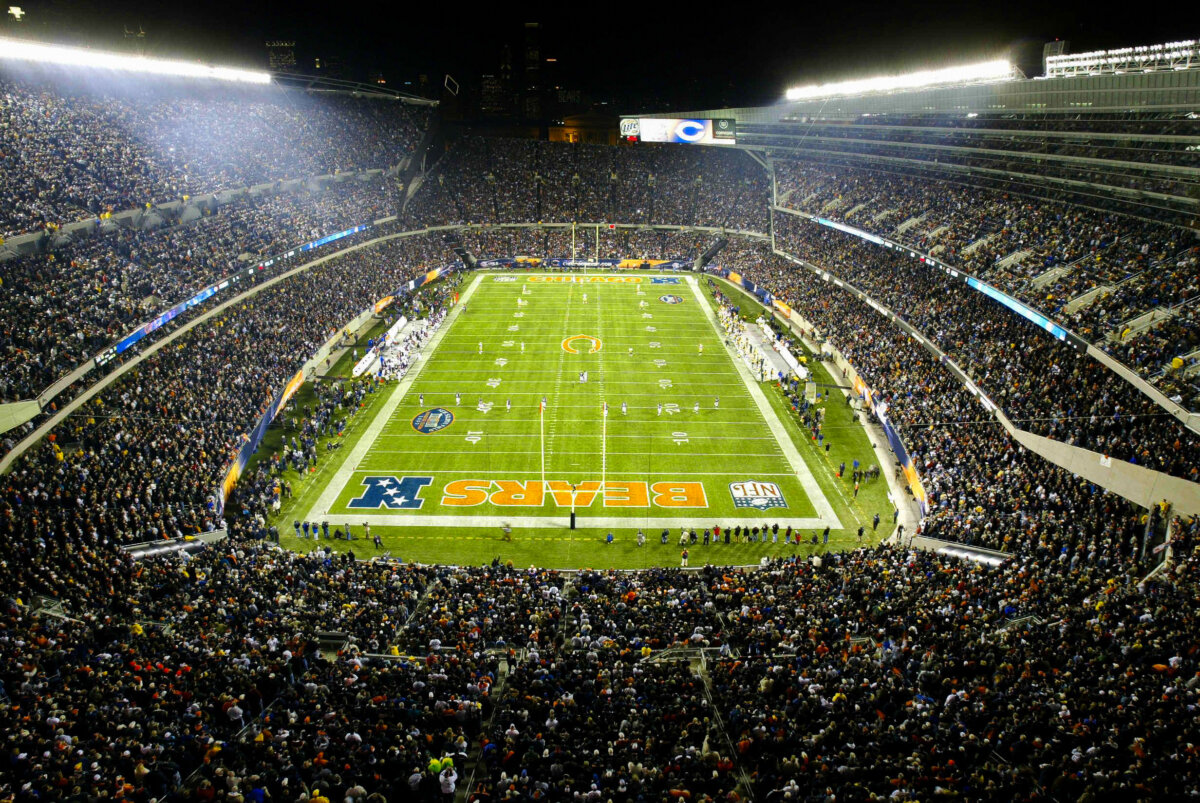
The Bears’ current home, Soldier Field, is more than a century old and was last renovated in 2003. Formerly a National Historic Landmark, the venue, which the Bears lease from the Chicago Park District, is now outdated.
That arrangement limits the team’s ability to generate revenue because the team must share stadium revenue with the park district. The State of Illinois and the City of Chicago still owe roughly $600 million for the 2003 renovation. The money was originally borrowed in the form of bonds funded by taxpayers.
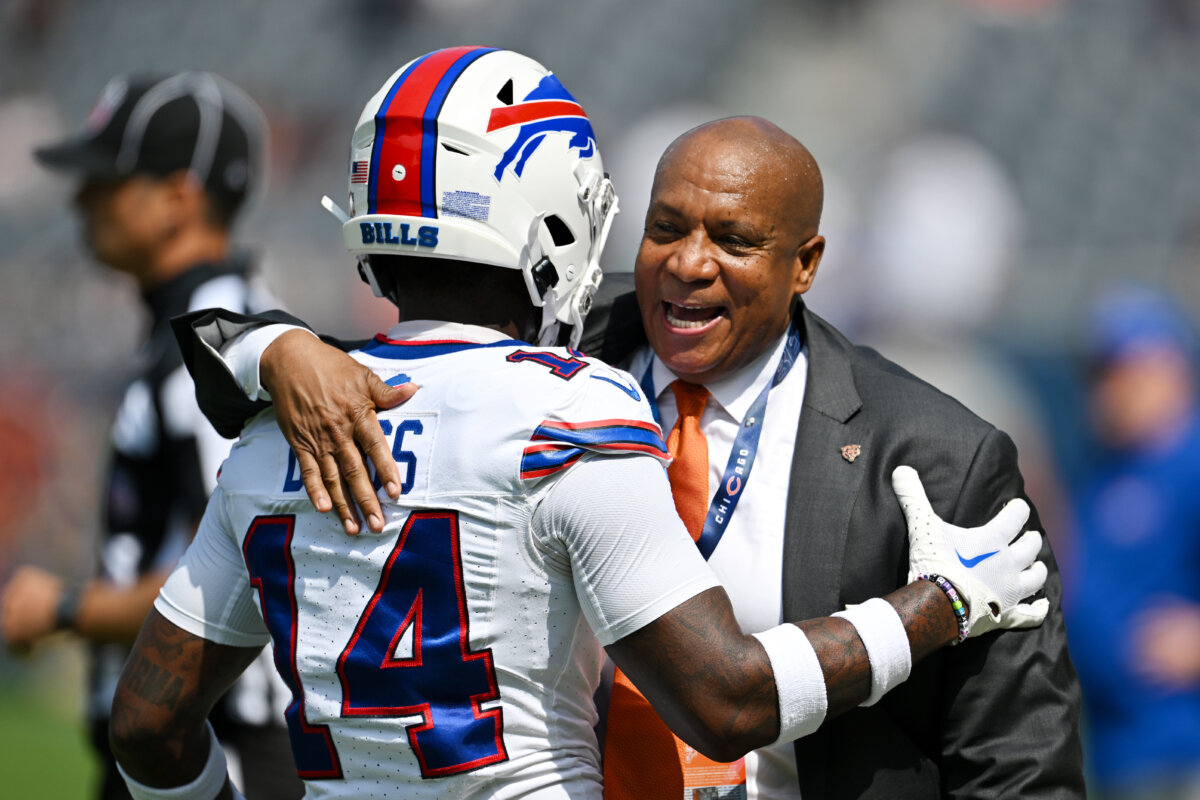
In a Dec. 17, 2025, open letter to Bears fans, team president Kevin Warren claimed Illinois state leaders had chosen not to prioritize the franchise’s needs and that relocating out of state remained a possibility.
“Over the past several years, we have worked in good faith with Illinois leaders and made clear our commitment and readiness to invest more than $2 billion by the Chicago Bears, one of the largest private investments in state and NFL history,” he wrote.
The Bears are seeking to move to Arlington Heights, a suburb of Chicago, but have indicated they would be willing to move to Indiana as well.
The team is not seeking taxpayer funding for a closed-dome stadium in Arlington Heights. However, it is requesting public support for surrounding infrastructure such as roads and utilities, as well as property tax certainty.
Pritzker Reluctant to Let Bears Go
Illinois Gov. J.B. Pritzker has said he wanted to keep the Bears in the Prairie State, offering on Jan. 14 to help with infrastructure.
He added that some of the infrastructure improvements requested by the Bears would benefit Arlington Heights in ways other than supporting the stadium. He did not say how other than to mention that the infrastructure was going to be built anyway at some point.
Chicago Mayor Brandon Johnson also wants the Bears to stay in the Windy City.
“I’ve said from the very beginning, the best place for the Chicago Bears to play football games, in the best city is the city of Chicago,” he told The Epoch Times on Jan. 28. Johnson said that conversations with the Bears “are still ongoing.”
According to a report by Hunden Partners, a stadium in Arlington Heights would generate approximately $15.1 million in annual tax revenue for the village and about $500 million over 40 years.
Johnson and Pritzker need cooperation from others in the state to persuade the Bears to stay. However, Warren has said state officials have been unwilling to cooperate despite discussions the team has had with them.
Illinois House of Representatives Speaker Emanuel Welch, a Democrat, called the Bears’ funding request “insensitive.”
At a City Club of Chicago event on Jan. 6, Welch said legislators were focused on the cost of living. “Talking about a brand new Bears stadium when this one’s not even 25 years old, that’s insensitive to what real people are going through right now.”
Indiana Makes Bid for Bears
Indiana officials, meanwhile, have expressed enthusiasm about welcoming the Bears.
Indiana Gov. Mike Braun and Republicans in the state legislature proposed legislation to entice the Bears to relocate.
A proposal in the Indiana Senate would establish a Northwest Indiana Stadium Authority responsible for acquiring, financing, and leasing land.
The authority would own the stadium, though the Bears could purchase it after meeting the terms of a 35-year lease. Construction and land acquisition would be financed through 40-year bonds.
The Indiana city of Gary, which is 30 miles from Chicago, has proposed three potential stadium sites. One is the Gary West End Entertainment District, which is next to Hard Rock Casino Northern Indiana.
Another is Buffington Harbor, which is “a premier waterfront opportunity with established infrastructure and quick access to multiple modes of transportation,” the town said in a Jan. 12 statement. The third option is Miller Beach, which is adjacent to Indiana Dunes National Park and miles of lakefront beaches.
Indiana state Sen. Liz Brown was one of two lawmakers to vote against the bill. In comments to Indiana-based radio station WOWO, she said she needs more details about the legislation.
“I just like to know what we’re voting on,” she said. “There’s a lot of issues that have yet to be decided. It was just a very broad framework, and I needed a few more details because taxpayers are going to be involved.”
Funding Concerns
Experts who spoke with The Epoch Times said it made business sense for the Bears to consider Indiana, but that a move could cost taxpayers.
LyLena Estabine, policy researcher at the Illinois Policy Institute, told The Epoch Times in an email that Indiana would offer lower costs for the Bears.
Chicago is poised to have the highest combined sales tax rate in the country, she noted. The city also levies an amusement tax on ticket sales, while businesses face higher labor and construction costs than in many other states.
However, Estabine cautioned that a publicly funded stadium in Indiana may not deliver significant economic benefits.
“Historically … publicly subsidized stadium deals have been a poor investment for taxpayers, producing few long-term jobs and limited economic benefits.”
Sam Karnick, a senior fellow at the Illinois-based Heartland Institute, echoed Estabine regarding taxpayers footing the bill for stadiums.
He cautioned that Pritzker’s infrastructure is “a big-ticket item that the taxpayers will be stuck paying for.”
Despite concerns surrounding the economics behind a possible new stadium for the Bears in Indiana, lawmakers in the Hoosier State say it would be great for the state’s economy.
“We don’t get an opportunity like this every day,” State Sen. Lonnie Randolph told the Indiana Capital Chronicle. “It is a bill that could be beneficial to not just the individual location … but to the entire state of Indiana, period.”
He said that Indianapolis experienced increased tourism and additional economic growth following the building of Lucas Oil Stadium, the home of the Indianapolis Colts, in 2008.
 Friends Read Free
Copy
Facebook
Tweet
Friends Read Free
Copy
Facebook
Tweet