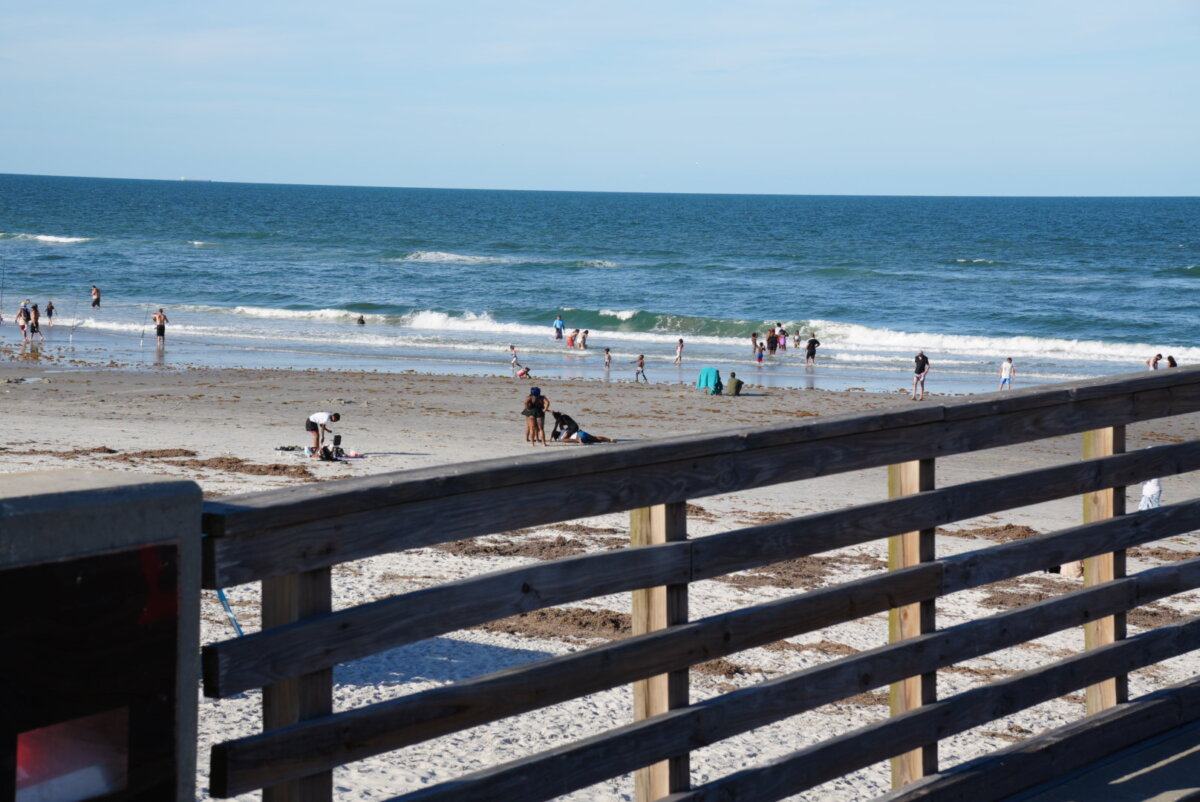

Authorities in Florida this week confirmed another death from a rare type of “flesh-eating” bacteria found in warm coastal waters.
In 2026, four deaths were linked to the Vibrio vulnificus bacterium, according to an update from the Florida Department of Health on Sept. 17. The agency said that 22 cases have been confirmed so far.
There were five deaths and 33 overall cases in 2025, and 19 deaths and 82 cases were reported in 2024 in the state, the data show.
As of Sept. 16, 17 cases and six deaths from Vibrio vulnificus have been reported across Louisiana, the state’s Department of Health said.
Last month, the Mississippi Department of Health issued an advisory about Vibrio bacteria, saying visitors should “be on guard to protect themselves from Vibrio bacteria,” and noted that three Vibrio vulnificus cases had been reported as of Aug. 10.
The bacteria is most commonly found from May through October, or when water temperatures are relatively warmer, it said.
Vibrio vulnificus can enter the body through unhealed cuts and scrapes, recent piercings and tattoos, and recent surgical incisions, according to the Cleveland Clinic. If a person has such a wound, they are advised to cover it with a waterproof bandage if there’s a risk of exposure and to avoid saltwater or brackish water, officials say.
Brackish water refers to mildly salty water, which can occur when ocean water and fresh water mix. An example includes areas where rivers meet the ocean.
If individuals come into contact with coastal waters or raw seafood, they should immediately wash cuts and scrapes thoroughly with soap and clean running water, the Centers for Disease Control and Prevention (CDC) has said.
People are advised to see a doctor if they develop symptoms such as fever, chills, and hot, red areas on the skin that turn dark and blister, the CDC also said.
Individuals who are most susceptible to contracting the infection include people with liver disease, cancer, diabetes, HIV, or thalassemia, as well as people receiving immune system-suppressing treatment, taking medication to decrease stomach acidity, or who have had recent stomach surgeries, CDC officials say.
The organism can cause gastrointestinal symptoms accompanied by septic shock and necrotizing fasciitis, a fast-moving infection that destroys tissue and blood vessels beneath the skin. Necrotizing fasciitis is a reason Vibrio vulnficus is sometimes called a “flesh-eating bacteria,” the CDC has said.
Treatment can include antibiotics or surgery, including amputation of a limb, to remove infected or dead tissue, the federal agency adds.
People can also become infected by eating seafood, especially raw oysters. Health officials say not to eat raw or undercooked oysters or other seafood, and not to let raw seafood, its drippings, or its juices contaminate other foods.
CDC officials also offer cooking instructions for clams, mussels, and other shellfish. They recommend throwing away any with open shells before boiling or steaming.
The Associated Press contributed to this report.
 Friends Read Free
Copy
Facebook
Tweet
Friends Read Free
Copy
Facebook
Tweet