



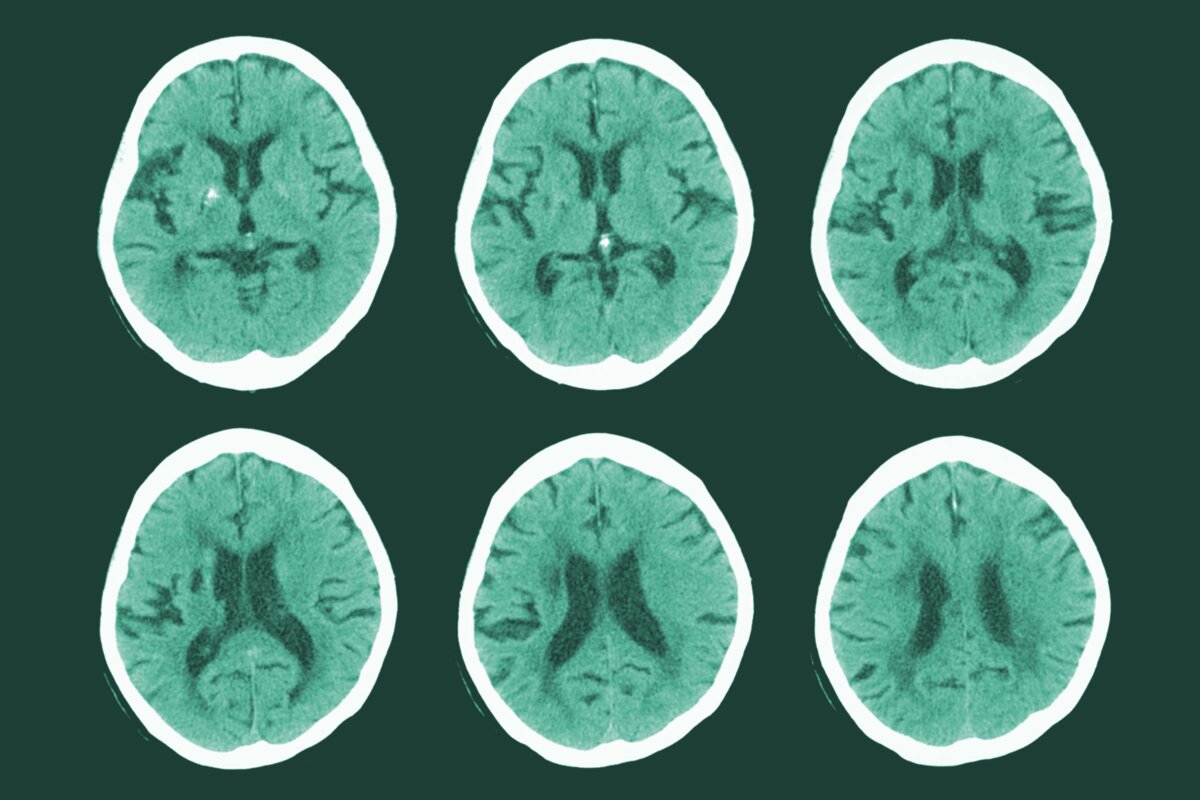
Every year, millions of stroke survivors are prescribed aspirin, cholesterol-lowering drugs, and blood pressure medications to reduce their risk of another stroke. But for people who experience the common lacunar stroke—a type of ischemic stroke that occurs when a small, deep artery in the brain becomes blocked—research suggests such treatments may not target the main disease process.
A study published in Circulation found that lacunar strokes, which account for about one-fifth of all strokes, may not be primarily caused by the artery blockages these medications are designed to prevent. Instead, they appear to be tied to an opposite phenomenon: the abnormal widening and twisting of arteries in the brain.
The study found that people with these arterial abnormalities had nearly five times the odds of having a lacunar stroke.
“This work opens up new avenues of research,” Dr. Deepak Bhatt, a cardiologist and director of Mount Sinai Fuster Heart Hospital, who was not involved in the study, told The Epoch Times.
The findings point toward a different way of thinking about lacunar stroke—not primarily as a problem of clogged arteries, but potentially as a disease of the blood vessel walls themselves.
What the Study Found
Lacunar stroke is often caused by cerebral small vessel disease, which damages the tiny blood vessels deep within the brain and leads to cognitive decline, dementia, trouble walking, and recurrent stroke.
Researchers studied 229 people who had experienced either a lacunar stroke or a mild non-lacunar ischemic stroke. Participants underwent cognitive assessments and repeated MRIs, allowing researchers to examine abnormalities and track new brain damage over time.
The findings showed that large-artery narrowing—the classic blockage model—was more common in non-lacunar strokes (28.5 percent) than in lacunar strokes (14.5 percent). Even when lacunar stroke patients did show narrowing, the affected artery often did not supply the same brain territory as the stroke, making it less likely to be the cause.
Arterial widening, twisting, and displacement told a different story. These abnormalities were far more common in lacunar stroke patients (22.1 percent versus 7.1 percent), with those showing them having 4.7 times higher odds of lacunar stroke.
Arterial widening was also associated with greater small vessel disease burden, faster deterioration of white matter, and a higher likelihood of developing new infarcts.
In the study, 59 participants developed 130 new infarcts over a period of one year, with nearly three-quarters occurring in the deeper brain regions typically associated with small vessel disease.
The findings “strengthen the evidence that lacunar stroke, as well as other small vessel disease features, are not due to atheroma [fatty plaque buildup],” Joanna Wardlaw, a professor of applied neuroimaging at the University of Edinburgh and co-author of the study, told The Epoch Times.
Why Wider Arteries May Be a Problem
At first glance, the finding seems counterintuitive. If narrowing an artery restricts blood flow, shouldn’t a wider artery be better?
Not necessarily.
Researchers do not suggest that wider arteries directly cause lacunar strokes. Instead, the abnormal widening may signal a more widespread disorder affecting blood vessel walls deep in the brain.
“We think the large artery widening seen in our paper mirrors what is happening in the small arterioles in the brain which become baggy and lose the ability to constrict and dilate to manage blood flow,” Wardlaw said.
Healthy blood vessels are dynamic structures. They constrict and dilate in response to the brain’s changing needs, helping maintain a steady supply of oxygen and nutrients. If vessel walls lose their normal structure and elasticity, that regulation may become impaired.
The researchers said that the same underlying vessel-wall abnormality may affect both large and small arteries: appearing as widening and distortion in larger arteries while damaging the tiny vessels responsible for lacunar stroke.
The findings are also consistent with pathological studies of lacunar stroke dating back to the 1960s, which described a process called “segmental arteriolar disorganization,” in which proteins and blood cells infiltrate small vessel walls, causing them to widen and thicken without the fatty plaque buildup typically seen in atherosclerosis, Wardlaw said.
Why Current Treatments May Work Less Well
The findings could also help explain a long-standing clinical puzzle: Treatments that work well for many ischemic strokes appear to be less effective against recurrent lacunar stroke.
The prevailing view has long held that lacunar strokes, like most strokes, result from fatty plaque buildup that narrows arteries and reduces blood flow or triggers clots that block blood flow to the brain.
“Therefore, typically, patients with lacunar stroke receive an antiplatelet drug like aspirin, blood pressure-lowering, lipid-lowering [drugs] to prevent more lacunar strokes and adverse outcomes,” Wardlaw said.
But if many lacunar strokes stem from structural disease in the brain’s tiny blood vessels rather than plaque buildup in larger arteries, preventing clots may address only part of the problem.
What Comes Next
In the study, most of the new infarcts seen on MRI scans were small subcortical infarcts—the type typically linked to small vessel disease. Researchers said future treatments may need to target the underlying small vessel damage more directly.
Trials such as the LACunar Intervention Trial-3 (LACI-3) in the UK are now testing whether cilostazol and isosorbide mononitrate can better protect the brain’s small blood vessels and reduce recurrence of strokes, and slow cognitive decline after a lacunar stroke.
For now, clinicians should continue to focus on controlling vascular risk factors while the science catches up, Wardlaw said. “They should continue to implement good blood pressure and lipid control and use a single antiplatelet for secondary prevention since that is the best we have at the moment.”
But the larger message is hard to miss. “This work supports the concept of different treatments for different types of stroke,” Bhatt said, though he added that more research is still needed to confirm whether small vessel disease is the primary driver behind the findings.
If that model proves correct, preventing some of the most common strokes may eventually require looking beyond what is blocking an artery and paying closer attention to the health of the vessel wall itself.