
To the neighborhood kids, he was “Tio,” Uncle.
They appreciated the wads of cash he flashed around, the gifts, trips to sporting events, help for their families, and the work he provided around their quiet Salt Lake City neighborhood.
Their parents trusted him, too—they had no idea the dark secret their kids were carrying. That neighborhood house was where their boys were raped and kept quiet by fear.
They feared the shame if they reported being raped. Worse, they feared their families would be killed.
The kids, dozens of them, were also selling drugs—marijuana, cocaine, and methamphetamines—in local grade schools and high schools. They feared being arrested as drug dealers if they reported “Uncle.”
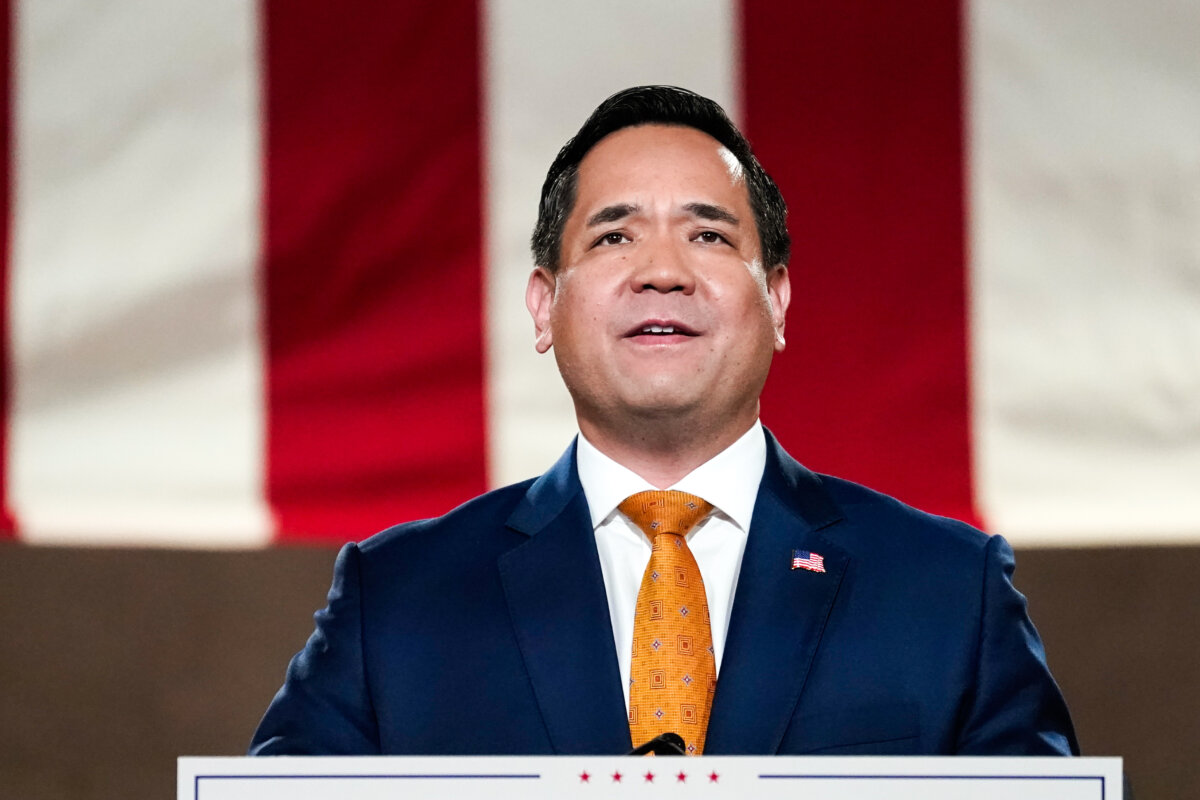
The case became the biggest human trafficking case in Utah history, and it turned state Attorney General Sean Reyes into a crusader.
“There were so many victims, and there was so much devastation,” Reyes said of the 2014 case. “He had caused so much, so much trauma, and had many, many victims who are now adults, but had started when they were young boys.
Reyes was just a year into his tenure as the state’s attorney general when he took on the case. He went on to serve three terms as the state’s top law enforcement officer.
A man of faith and action, Reyes found a way to help by directly overseeing human trafficking cases. He supervised a statewide anti-trafficking strike force and a team of assistant attorneys general focused on convicting traffickers. He worked to support legislation to help human trafficking victims.
Today, Reyes is retired from public office, but continues the fight as an adviser in the private sector.

‘Horrific Stories’
The former attorney general recounted the details of that first major trafficking case in an interview with The Epoch Times. The alleged perpetrator, a suspected member of the violent MS-13 criminal gang, had been deported many times, but kept returning to the United States under different aliases.
“There were scores of victims who were willing to come forward,” Reyes said.
“Many, many survivors came forward and told their horrific stories of how as young men, they had been trafficked … often in their own houses, in their own rooms.”
According to Reyes, for many of the victims, the trafficker’s threat of hurting their families if they told anyone about the events was the biggest deterrent: “You’ll do anything and suffer any type of indignity to protect those that you love.”
Reyes, a father of six, said he wishes more people understood that there is more to be done than just to prosecute the perpetrators of human trafficking.
“I think the worst things that can be taken from you are your liberty and your dignity, and unfortunately, human trafficking robs its victims of both of those things,” Reyes said.
He emphasized the importance of educating the public about the issue. He also stressed the importance, whenever possible, of testifying about the issue at the state and national level, and of passing laws that help bring resources to victims and survivors.
“What a shock when people understood that this was happening, hiding in plain sight, right underneath our noses,” Reyes said of the Salt Lake City case.
As prosecutors tried to make sure the defendant was prosecuted, not just deported again, the alleged trafficker hung himself in jail before his day in court.
Despite the suicide, prosecutors obtained permission for a final court hearing to allow victims to testify about their experiences.
“It’s something that we always have in us,” one victim said of the trauma, according to a report from Utah Attorney General’s office.

Standing Up
“I think it was a wake up call,” Reyes said of the case. “And it was a good chance to help in terms of impact, [to] shock people into saying, ‘We’re not going to let this happen in our homes, not in our backyard, and we need to do something about it.’”
Reyes served as Utah’s attorney general and top law enforcement officer from 2013 to 2025. During his tenure, he fought human trafficking through a combination of undercover operations, technological innovations, legislation, and criminal prosecution.
Among his notable cases was a multi-year, multi-state investigation and prosecution to convict a trafficker—an elected official—who was connected to illegal international adoptions from the Marshall Islands.
In 2014, he made global headlines for his role as an undercover operative in Colombia in one of the largest sex trafficking busts in history, liberating more than 120 children in one day.
Subsequently, he worked with the Trump administration to fight human trafficking.
Reyes received a Polaris Star award in 2026 from the University of Central Florida for his work in the fight against human trafficking. He has also received the White House Award of Commendation for his service to America, including his advocacy and anti-trafficking work.
But he puts the focus on others who have worked hard to fix the issue of trafficking.
In the Salt Lake City case, Reyes credited “brave agents” for putting the cartel member behind bars. “They put themselves on the line every day to be able to disrupt and dismantle this type of evil,” he said.
The issue of human trafficking pains him deeply, he said, but he believes in a God of miracles.
“The God that I believe in loves all of his children, and the notion that any one of them, particularly small children, who are suffering at the hands of perpetrators who are abusing them and violating them and taking their innocence—I think that pains God more than anything,” Reyes said.
The son of an immigrant from the Philippines, he said he was taught that no matter the resources available to you, you should stand up and fight.
“We’ll lose ourselves and not worry about our own challenges,” Reyes said, “if we can look out beyond that and help reflect that light of God around the world and help bring that light and hope to more who are suffering.”
We Are All Potential Victims
Reyes was clear that “this could happen to anyone.”
“We are all potential victims, or our children or our grandchildren, our loved ones are all potential victims. And so we need everybody in this fight.”
“Those who perpetrate these evils and these horrific abuses of human rights, they are well, well resourced,” he said.
Beyond understanding the vulnerability of potential victims, the former law enforcement official wants people to know that traffickers are organized and have vast resources.
“These are cartels, these are organized crime, these are people in the highest places, sometimes with great influence, and they want to keep this in the dark.”
“We need to shine a light. It takes the voices and the light, literally, the spiritual light, the light that millions of people can shine and bring.”
As to what he wants victims of trafficking to remember, Reyes says it’s important to put the focus on hope: “I’m hoping, praying, that there’s more hope,” he said.
“Hope for those who are suffering right now, hope for those who are suffering because they’re in the midst of being trafficked, or they’re survivors and they’re still dealing with the aftermath of all the atrocities that they endured.”
Anti-Trafficking Needs Everyone
Today, Reyes works with attorneys, companies, advisory boards, and even celebrities and athletes to put their resources toward helping with this cause.
His aim is “to help inspire them, or motivate them [in] whatever way possible to put their vast resources and influence towards the fight.”
While the government has a huge role in combating human trafficking, he said, because traffickers are so well-resourced, the fight against them needs to have equal backing.
Reyes said that the government is not engineered to move as quickly as is needed to combat this issue: “We need NGOs, we need higher ed. We need the private sector, businesses, corporations, and companies, putting resources towards this fight … government can’t do it alone.”
He educates the public through speaking engagements around the country at conferences, corporate events, summits, school assemblies, and other venues.
He has supported the production of films on human trafficking—most notably the box office hit “Sound of Freedom,” for which he was an associate producer.
Reyes wants to reach “those who are suffering, and those who haven’t yet realized what kind of evil exists—even in quiet places, small towns, [and] of course, in larger cities and metropolitan areas.
“That is the impact that I’m praying we leave.”
 Friends Read Free
Copy
Facebook
Tweet
Friends Read Free
Copy
Facebook
Tweet