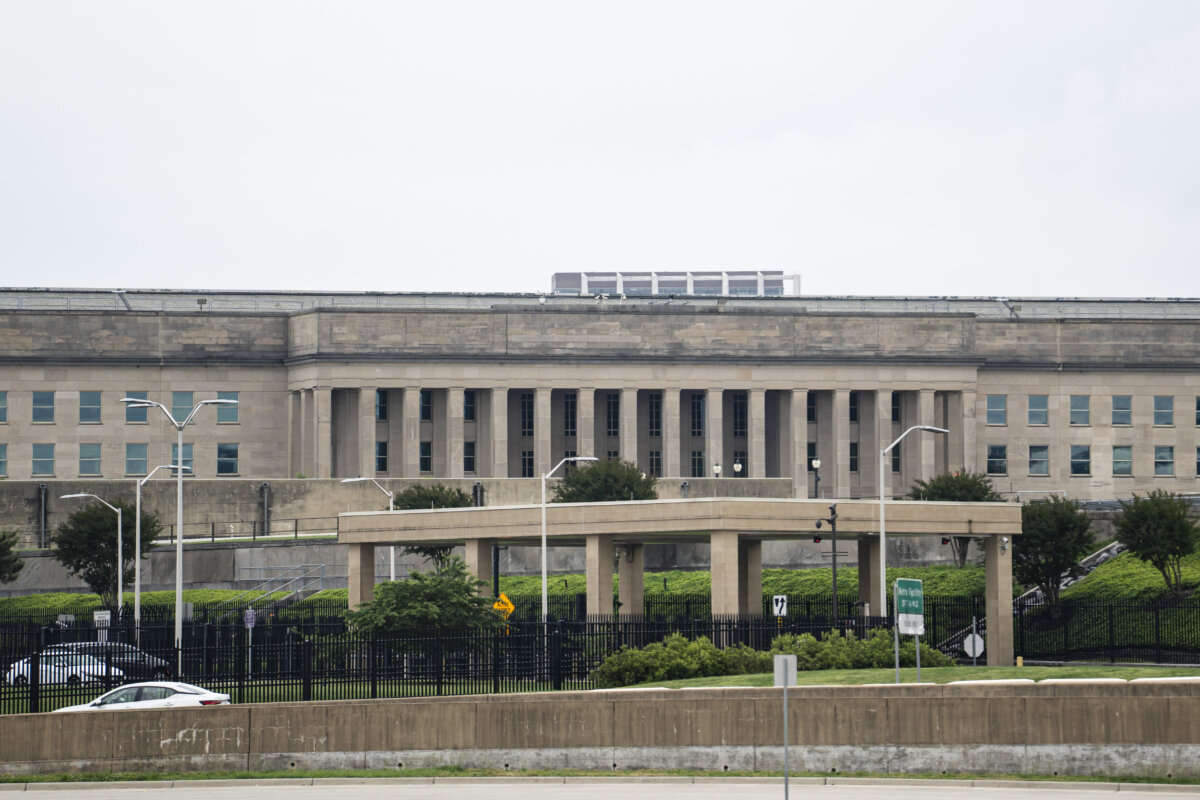

The Department of War has formally removed 180 faiths from its official list of religious affiliation codes, leaving 31 remaining, according to a memo posted by Pentagon spokesman Sean Parnell on June 5.
The military had initially listed 211 faith and belief codes, but that number has been sharply reduced under the direction of War Secretary Pete Hegseth, according to a memo signed by Anthony Tata, under secretary of defense for personnel and readiness, dated May 20.
The memo states that the change was intended to “streamline the DoW [Department of War] collection of religious preferences selection for Service members to enhance the delivery of targeted religious support from the Chaplaincy.”
“The new ‘Religious Affiliation Codes’ list will provide chaplains with clear, readily available information that will better enable them to anticipate the religious support needs of Service members and to provide religious support activities that align with Service members’ personal faith and practices,” the memo reads.
The updated list includes agnosticism, Buddhism, Hinduism, Islam, Judaism, Sikhism, and a range of Christian denominations such as Baptist, Catholic, Anglican, Methodist, Lutheran, and Seventh Day Adventist. Options of “no religion” or “other religion” are listed as well.
Parnell said that the cut in religious affiliation codes was not meant to make any judgment about the legitimacy of any faith or belief system, nor to serve as a list of “‘officially approved’ religions.”
“Rather, it is designed to allow chaplains to quickly look at the religious composition of their units and determine how they structure resources to best provide for warfighters of all faith groups,” he said in a post on X.
Parnell emphasized that the Pentagon remains committed to upholding service members’ First Amendment rights and protecting their rights to the free exercise of religion.
“Chaplains play an instrumental role in providing spiritual care and facilitating the warfighters’ ability to freely exercise their religion of choice, or no religion at all. With this new change, we believe we can provide the best data to support our chaplains in that effort,” he said.
Hegseth first announced the planned reduction in March, saying that the previous system was “impractical” and that “many codes were never used at all.” He noted that the vast majority of military personnel used only six of the religious affiliation codes.
“The previous system had ballooned to well over 200 faith codes,” the Pentagon chief said in a video address posted on March 24.
“Our internal review committee recommended that going forward the department use 31 religious affiliation codes. This brings the codes in line with its original purpose—giving chaplains clear, usable information so they can minister the service members in a way that aligns with that service member’s faith background and religious practice.”
 Friends Read Free
Copy
Facebook
Tweet
Friends Read Free
Copy
Facebook
Tweet