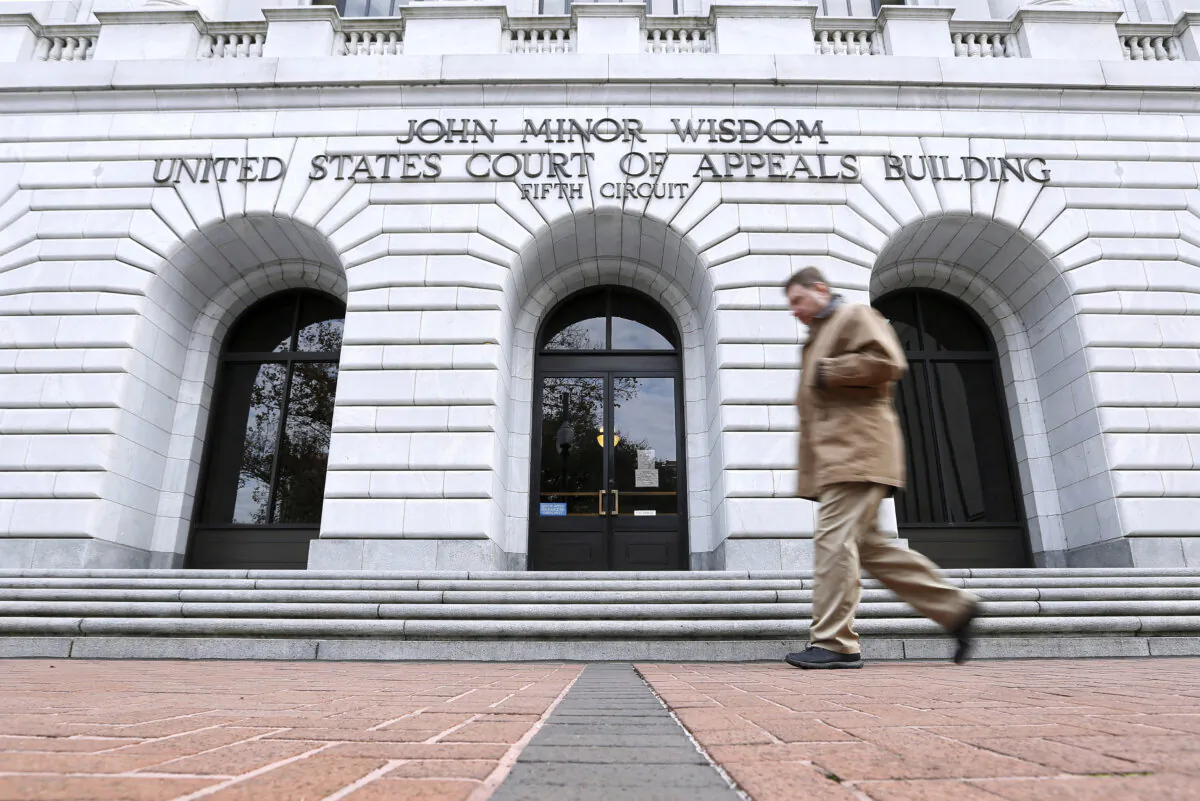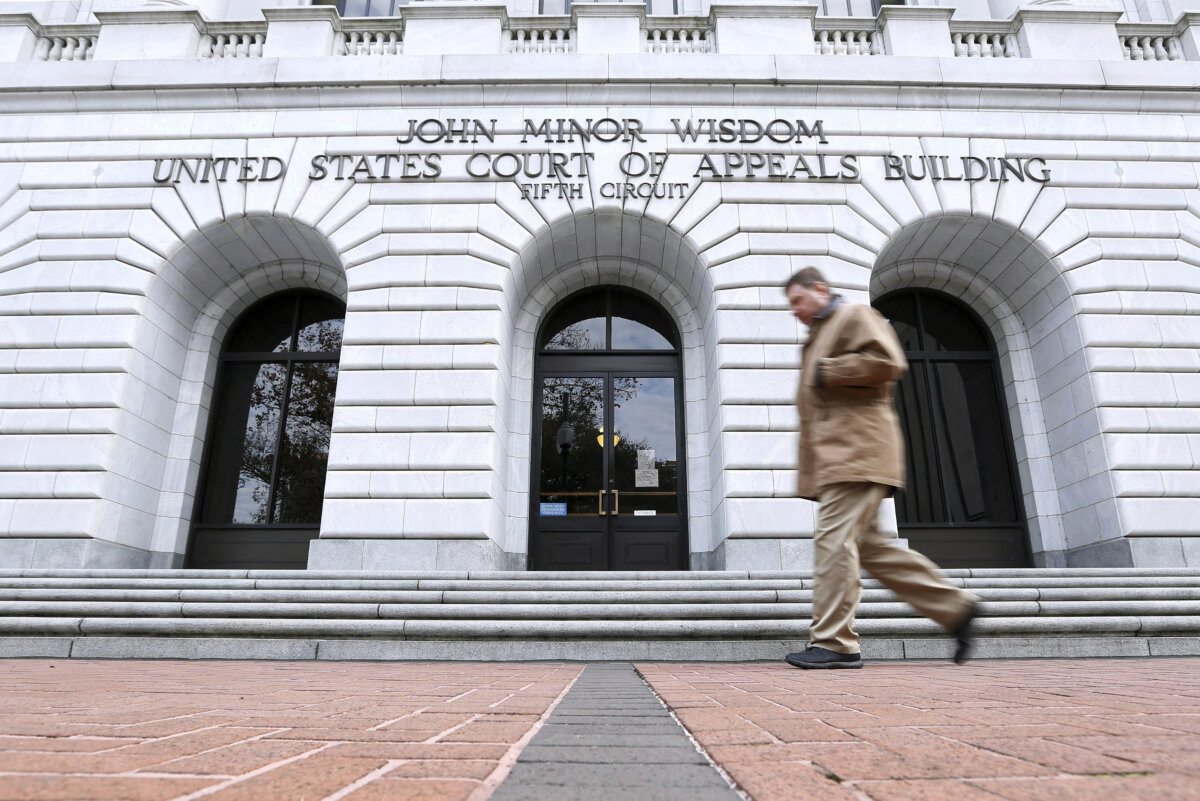

The Medicare Drug Price Negotiation Program survived an attempt to nullify it on Aug. 26 as a federal appeals court unanimously rejected a constitutional challenge to the program’s validity.
The case was brought by Pharmaceutical Research and Manufacturers of America, a major trade organization representing major drug companies, along with the National Infusion Center Association and the Global Colon Cancer Association.
The organizations argued that the program amounted to price fixing and deprived drug manufacturers of due process under the law.
The U.S. Court of Appeals for the Fifth Circuit, affirming a district court judgment, rejected those arguments, saying, “Agencies have for decades negotiated with manufacturers and entered into agreements for drugs subject to statutory price ceilings.”
“Manufacturers lack a protected interest in selling to Medicare beneficiaries at a preferred price because participation in Medicare and Medicaid, and thus in the Program, is voluntary,” the judges said.
Discounts and Savings
The Inflation Reduction Act of 2022 authorized the Medicare program to negotiate with drug makers for the first time. By law, Medicare, the world’s largest buyer of prescription drugs, must negotiate prices for at least 60 medications by 2029.
Negotiated prices on the first round of 10 medications took effect on Jan. 1. Prices for the second round of negotiated prices take effect in 2027.
Price reductions range from 38 percent to 85 percent.
Had the first two rounds of price negotiations been in effect in 2024, taxpayers would have saved an estimated $18 billion, according to the Centers for Medicare and Medicaid Services (CMS).
Also, out-of-pocket costs for beneficiaries would have been reduced by $2.2 billion.
Prices determined by the third round of 15 negotiated prices will be announced Nov. 30. Those prices will become effective in 2028.
Objections
The pharmaceutical industry has consistently opposed the price negotiation program.
In their lawsuit, the three industry groups said that the program upends a market-based reimbursement system in favor of price controls.
“These policies are expected to have a negative impact on access to medicines covered by Medicare Part B and Part D, in addition to discouraging continued drug development,” the pharmaceutical association said on its policy website.
In a 2022 letter to Congress, the association argued the program would allow the secretary of Health and Human Services to give drug makers an ultimatum: “pay a massive excise tax of as much as 95 percent of a medicine’s sales or remove all of your products from Medicare and Medicaid.”
A spokesperson for Pharmaceutical Research and Manufacturers of America told The Epoch Times that the organization was reviewing the court’s ruling and assessing all options.
A previous lawsuit alleging the price negotiation program violated constitutional rights, brought by six major pharmaceutical corporations, was rejected by the Supreme Court in May.
Possible Permanence for the Program
“Medicare drug price negotiation is here to stay,” Peter Maybarduk of the consumer advocacy group Public Citizen said in an Aug. 26 statement. He noted that courts have denied all legal challenges to the program so far.
Merith Basey, CEO of the advocacy group Patients For Affordable Drugs, hailed the ruling in an Aug. 27 statement.
“For decades, the pharmaceutical industry prevented Medicare from negotiating a better deal for American patients and taxpayers,” Basey said. “Now Congress has both the responsibility and an urgent opportunity to build on this overwhelmingly popular program and deliver lower prescription drug prices to even more Americans.”
The Centers for Medicare and Medicaid Services proposed in June making the negotiation program permanent, saying that’s needed to provide long-term certainty for drugmakers participating in it.
The proposed federal rule would establish policies for negotiating and renegotiating high-cost, single-source drugs, beginning in the 2029 pricing year and ongoing.
“This proposed rule lowers drug prices for seniors and ensures continued savings,” Dr. Mehmet Oz, administrator of CMS, said in a June statement.
 Friends Read Free
Copy
Facebook
Tweet
Friends Read Free
Copy
Facebook
Tweet