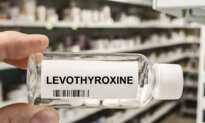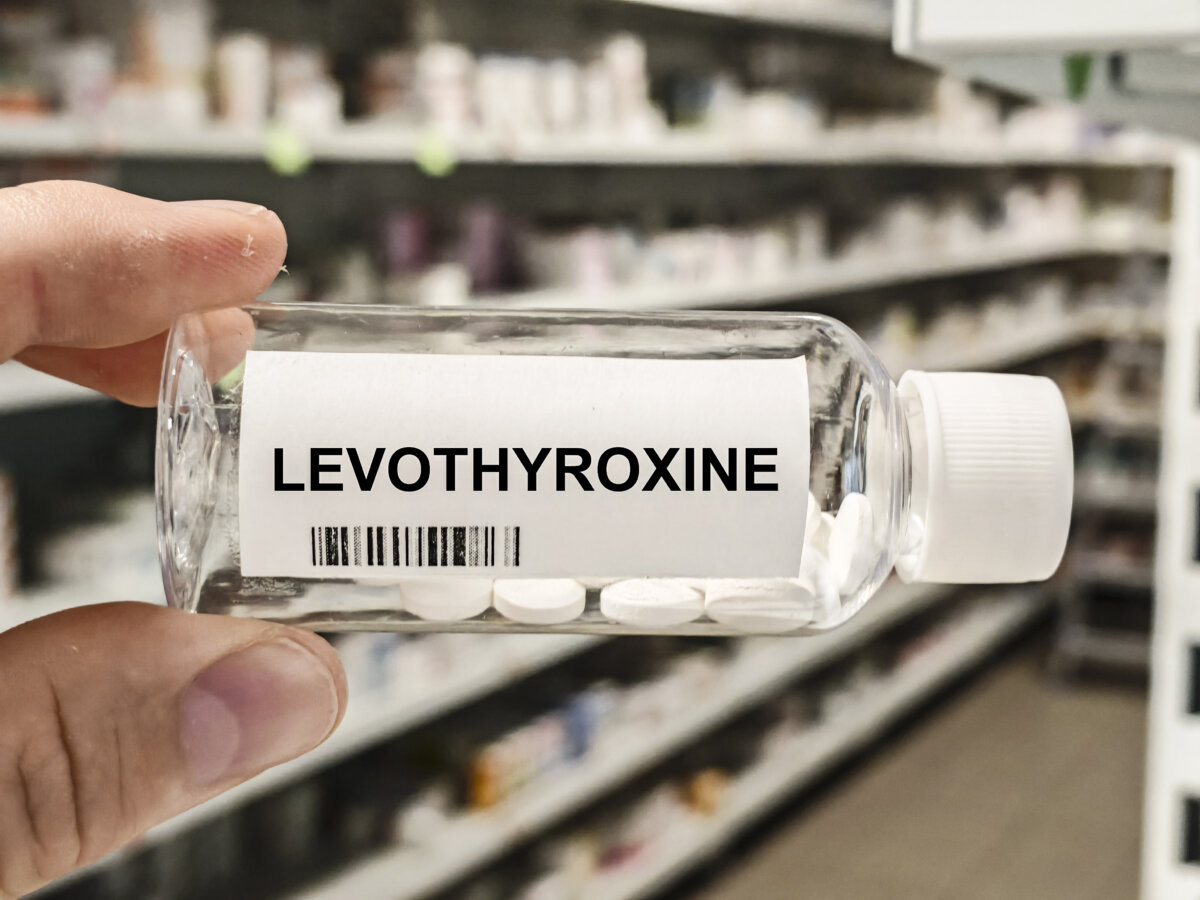

More than a dozen lots of a commonly prescribed thyroid medication were recalled this month because of potency issues, according to an enforcement report published by the Food and Drug Administration (FDA) this week.
The recall affects levothyroxine sodium tablets in different strengths contained in bottles of different counts, several FDA notices said. The medication was manufactured by India-based Intas Pharmaceuticals Limited for North Carolina-based Accord Healthcare Inc. and distributed across the United States.
The reason for the recall, according to the notices, is that the identified pills contain a “subpotent drug.” No other details were provided in the reports.
The recall was initiated on Aug. 6 and later classified by the FDA as Class II, the agency’s second-most serious recall under a three-tiered system. The notice was published on the FDA’s recall database this week.
On its website, the FDA regulator defines a Class II recall as involving “a situation in which use of, or exposure to, a violative product may cause temporary or medically reversible adverse health consequences or where the probability of serious adverse health consequences is remote.”
Levothyroxine sodium, a prescription-only drug, is used to treat hypothyroidism, which is described by the Mayo Clinic as a “condition where the thyroid gland does not produce enough thyroid hormone.”
It can also be used to lower the size of enlarged thyroid glands or to treat a form of thyroid cancer, the clinic says on its website.
Drug database ClinCalc shows that levothyroxine sodium is the second-most prescribed medication in the United States as of 2024; more than 82 million prescriptions were filled that year.
Atorvastatin, known by the brand name Lipitor and used to treat heart conditions and lower cholesterol levels, is the most-prescribed drug in the United States.
Overview of the Recalled Products
The levothyroxine sodium recall encompasses the following five product strengths.
25 mcg (0.025 mg) Tablets
-
Packaging: 1,000-count bottles
-
NDC: 16729-447-17
-
Recall Number: D-0775-2026
-
Lot Numbers & Expiration Dates:
-
D2401927, D2401833 (Exp. 8/31/2026)
-
D2402551, D2402552 (Exp. 11/30/2026)
-
D2500220 (Exp. 12/31/2026)
-
D2500223 (Exp. 1/31/2027)
-
50 mcg (0.05 mg) Tablets
-
Packaging: 1,000-count bottles
-
NDC: 16729-448-17
-
Recall Number: D-0776-2026
-
Lot Numbers & Expiration Dates:
-
D2401834, D2401982 (Exp. 8/31/2026)
-
D2402584, D2402585, D2402586, D2402587, D2402588, D2402589 (Exp. 11/30/2026)
-
75 mcg (0.075 mg) Tablets
-
Packaging: 1,000-count bottles
-
NDC: 16729-449-17
-
Recall Number: D-0777-2026
-
Lot Numbers & Expiration Dates:
-
D2402016, D2402017 (Exp. 8/31/2026)
-
88 mcg (0.088 mg) Tablets
-
Packaging: 1,000-count bottles
-
NDC: 16729-450-17
-
Recall Number: D-0778-2026
-
Lot Numbers & Expiration Dates:
-
D2401813, D2401814 (Exp. 8/31/2026)
-
D2500200, D2500219 (Exp. 12/31/2026)
-
100 mcg (0.1 mg) Tablets
-
Packaging & NDCs: 90-count bottles (NDC 16729-451-15) and 1,000-count bottles (NDC 16729-451-17)
-
Recall Number: D-0779-2026
-
Lot Numbers & Expiration Dates:
-
90-count: Lot D2402186 (Exp. 9/30/2026)
-
1,000-count: Lot D2402019 (Exp. 08/31/2026); Lot D2402094 (Exp. 9/30/2026); Lots D2500021, D2500022, D2500023 (Exp. 12/31/2026)
-
The company did not provide a statement or other details on the recall, including how many bottles were affected.
Earlier this week, a drug manufacturer recalled one lot of thyroid tablets after they were found to be super-potent, according to a statement published by the FDA. Alabama-based manufacturer Vitruvias Therapeutics Inc. is the manufacturer.
 Friends Read Free
Copy
Facebook
Tweet
Friends Read Free
Copy
Facebook
Tweet