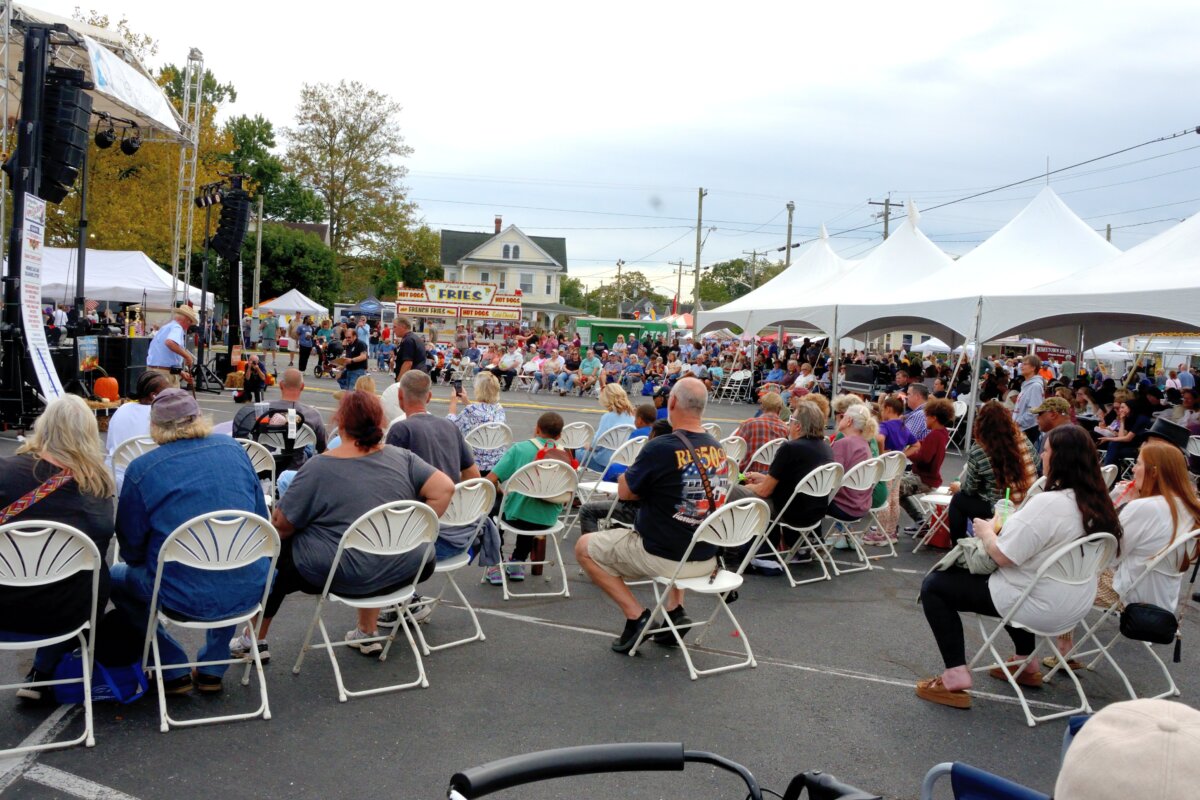

BRIDGEVILLE, Del.—“If you come here and you leave hungry, it’s your own fault,” state Sen. Brian Pettyjohn said of the Apple Scrapple Festival.
Between the scrapple sandwiches, apple dumplings, and funnel cakes, visitors had plenty to eat at the 34th annual gathering on Oct. 9 and 10. They also found carnival rides, handmade goods, and a demonstration on a 19th-century spinning wheel.
For Pettyjohn, who said he has attended 33 of the 34 festivals, the food is only part of the draw. He called the event “a big homecoming for all of us” and said as a Delaware native, he sees people there whom he has not met in years.
A Homecoming Born of Apples and Scrapple
The festival dates to 1992. Its theme is rooted almost literally in the town’s backyard: apples from T.S. Smith and Sons, the oldest apple orchard in town, and scrapple from RAPA Scrapple, the Bridgeville-based company founded in 1926 by Ralph and Paul Adams, now the world’s largest producer of scrapple.
Shelley Lambden, vice president of the Apple Scrapple Festival Committee, estimated that the event draws “about 15,000 to 20,000 guests, probably 400 vendors.” Visitors come from across Delaware and from Baltimore, New York, New Jersey and Virginia, she told The Epoch Times.
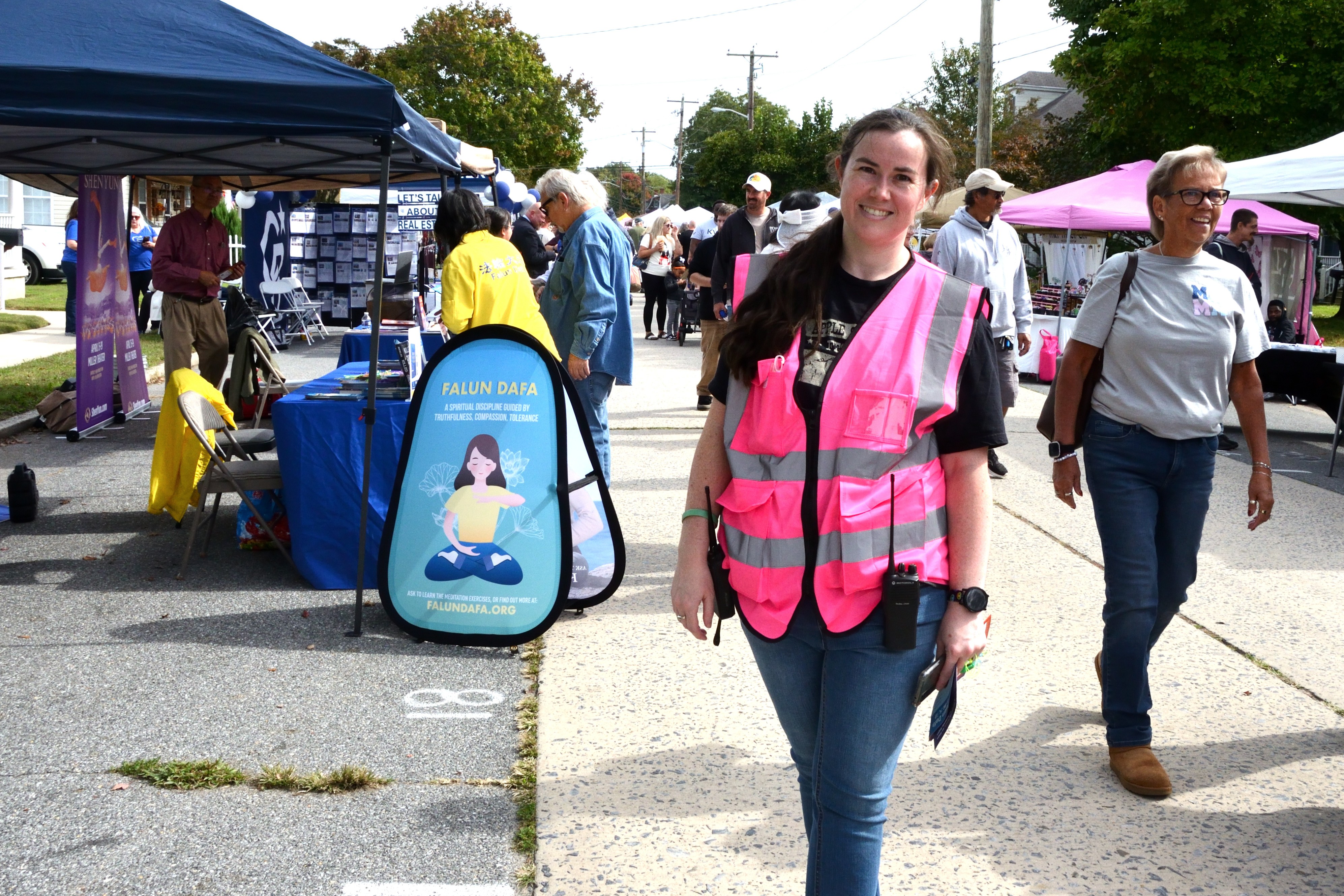 Shelley Lambden, vice president of the Apple Scrapple Festival Committee, at the festival on Oct. 10, 2026. (Frank Liang/The Epoch Times)
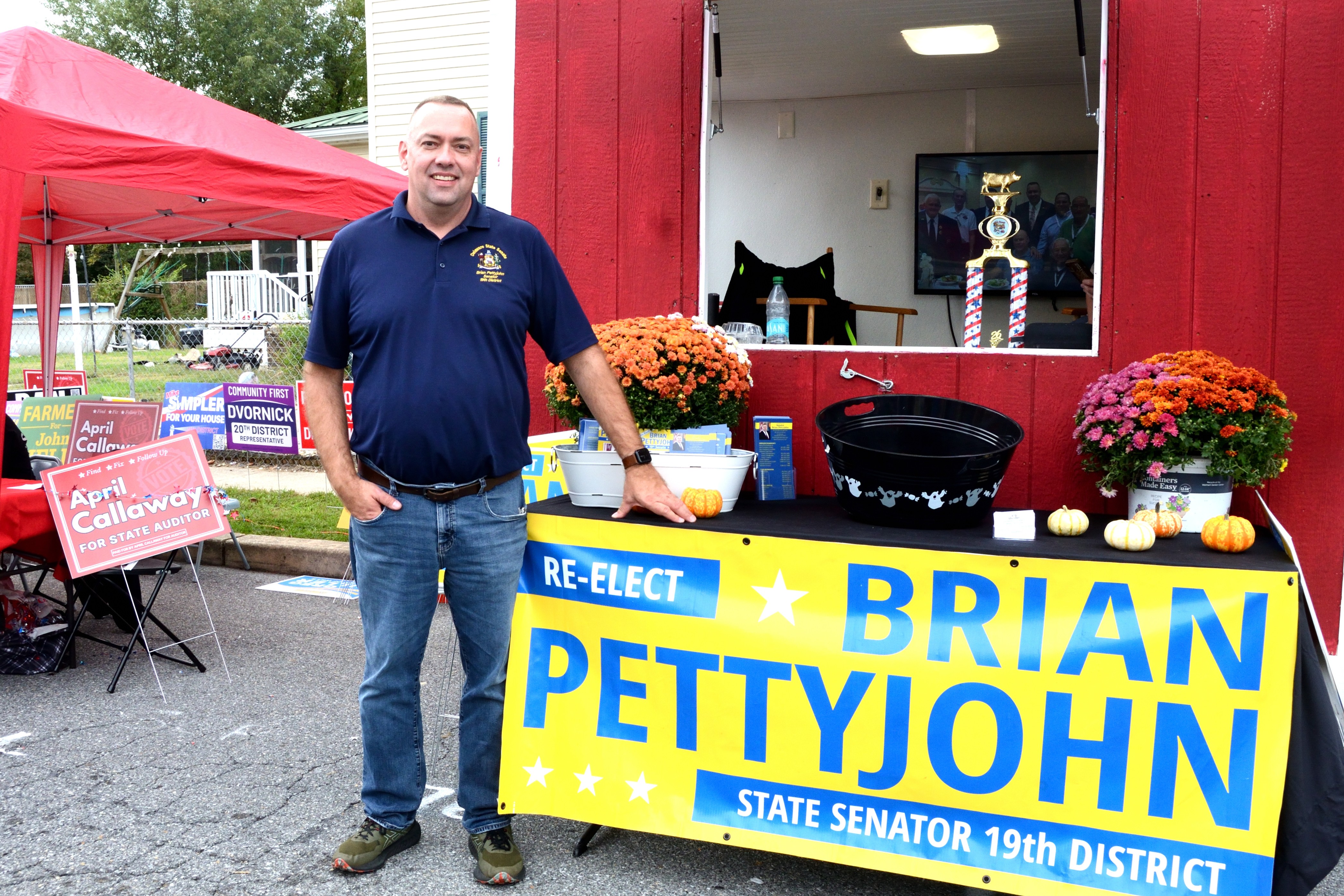 Delaware state Sen. Brian Pettyjohn said the festival shows “how politics used to be in Delaware.” (Frank Liang/The Epoch Times)
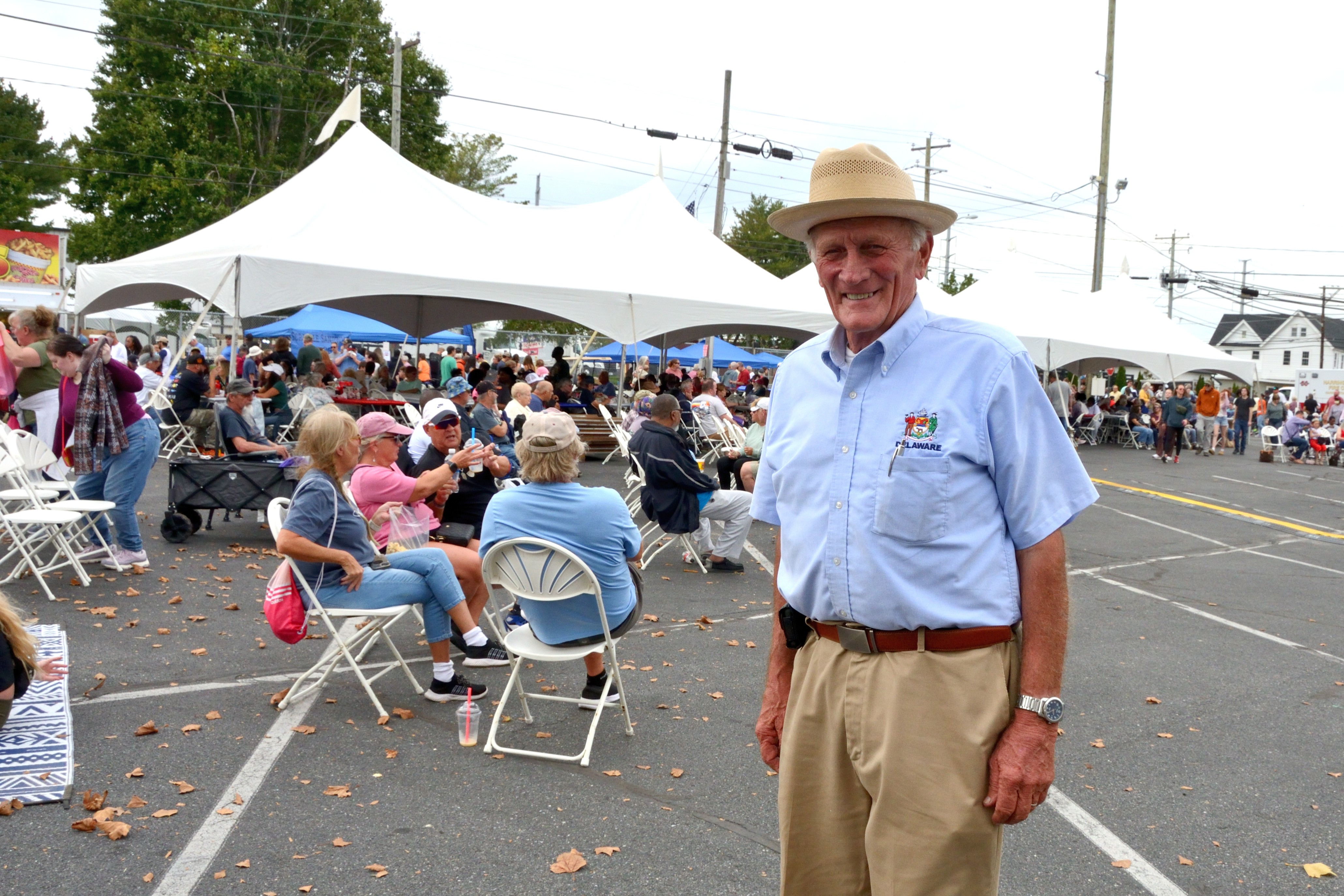 Delaware state Sen. David Wilson said the festival is “like a family reunion.” (Frank Liang/The Epoch Times)
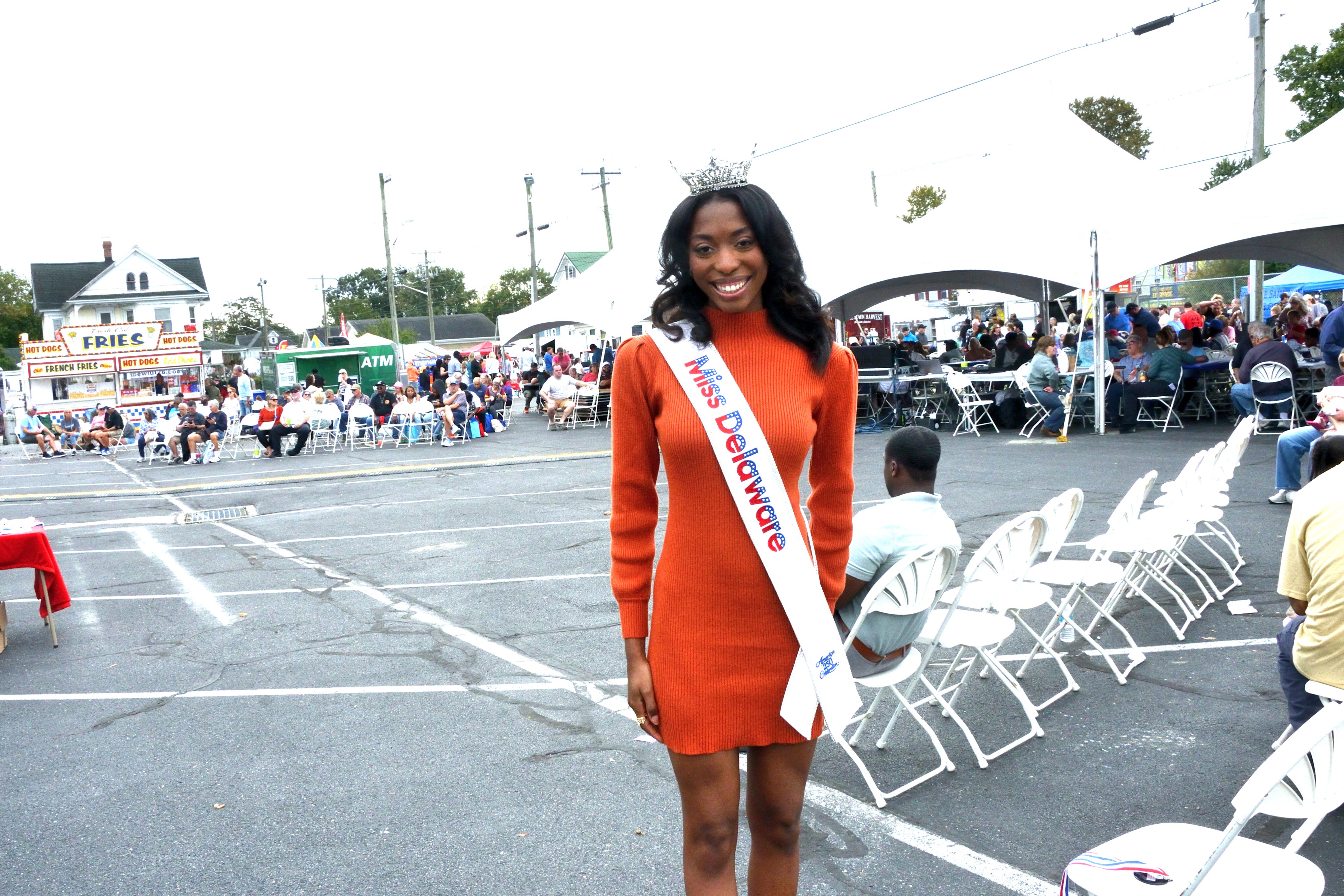 “It’s a really great way for everyone to come together,” said Anaya Harrison, Miss Delaware 2026. (Frank Liang/The Epoch Times)
A Family Recipe
Lowell Eby, owner of Eby’s Peanut Brittle, estimated that he has been a festival vendor for more than 25 years. He and his wife make everything themselves—”Just two of us. My wife and I”—including homemade peanut brittle, apple dumplings, whoopie pies, brownies, and apple cakes.
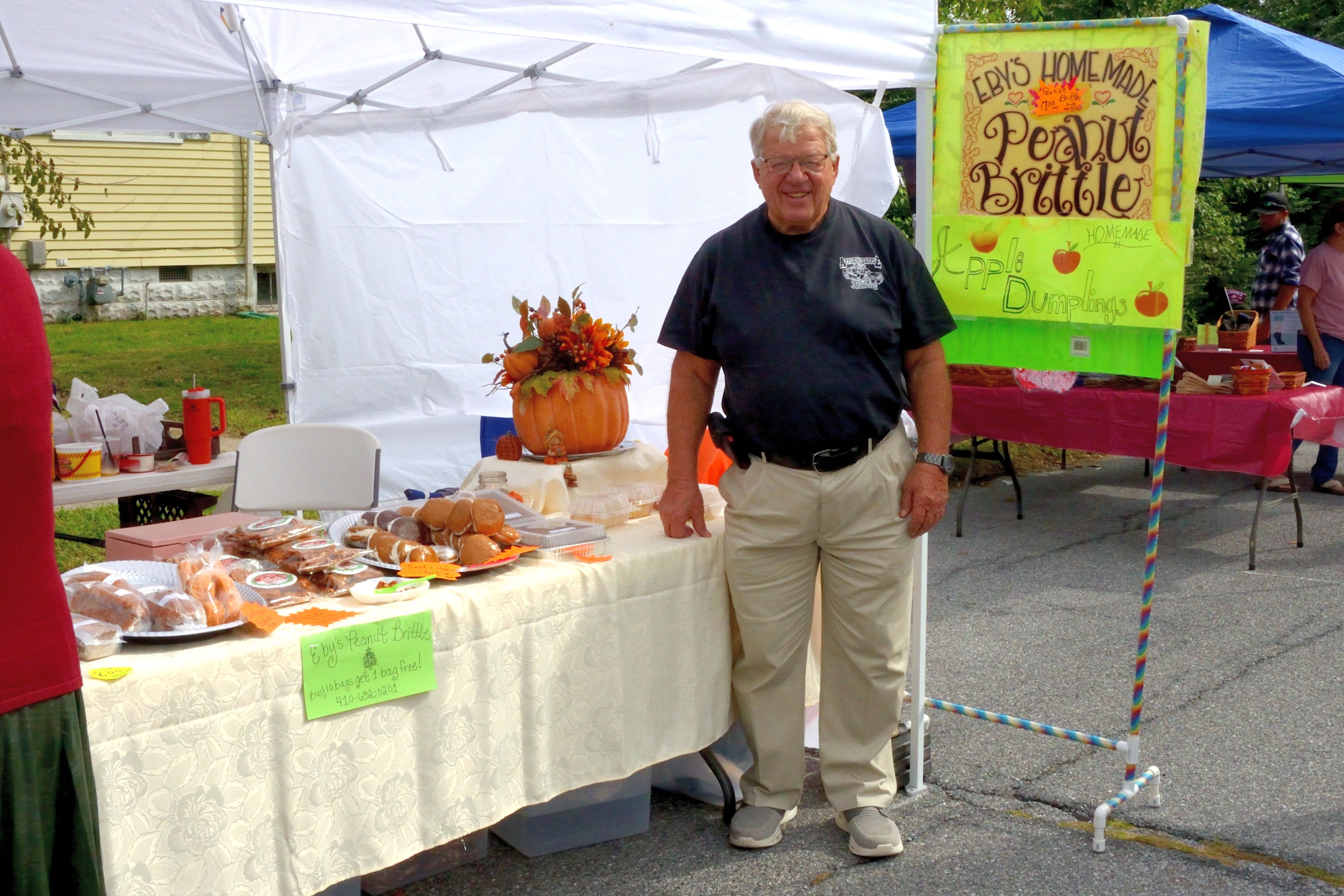 “You’d be amazed at how many people come,” said Lowell Eby, owner of Eby’s Peanut Brittle. (Frank Liang/The Epoch Times)
The couple has no store and does not sell online. “If we sell online, I couldn’t keep up,” Eby said. Customers keep coming back. “You’d be amazed at how many people come, and we come here every year,” Eby said. The festival has also become a profitable part-time venture for the couple.
Keeping Traditions Alive
This year’s first-time vendor, Ocean Breeze Alpacas of Berlin, Maryland, brought a different kind of craft to the festival. Marina Kane, who runs the farm with her friend Nancy Taylor, demonstrated spinning on a Canadian production wheel made toward the end of the 1800s.
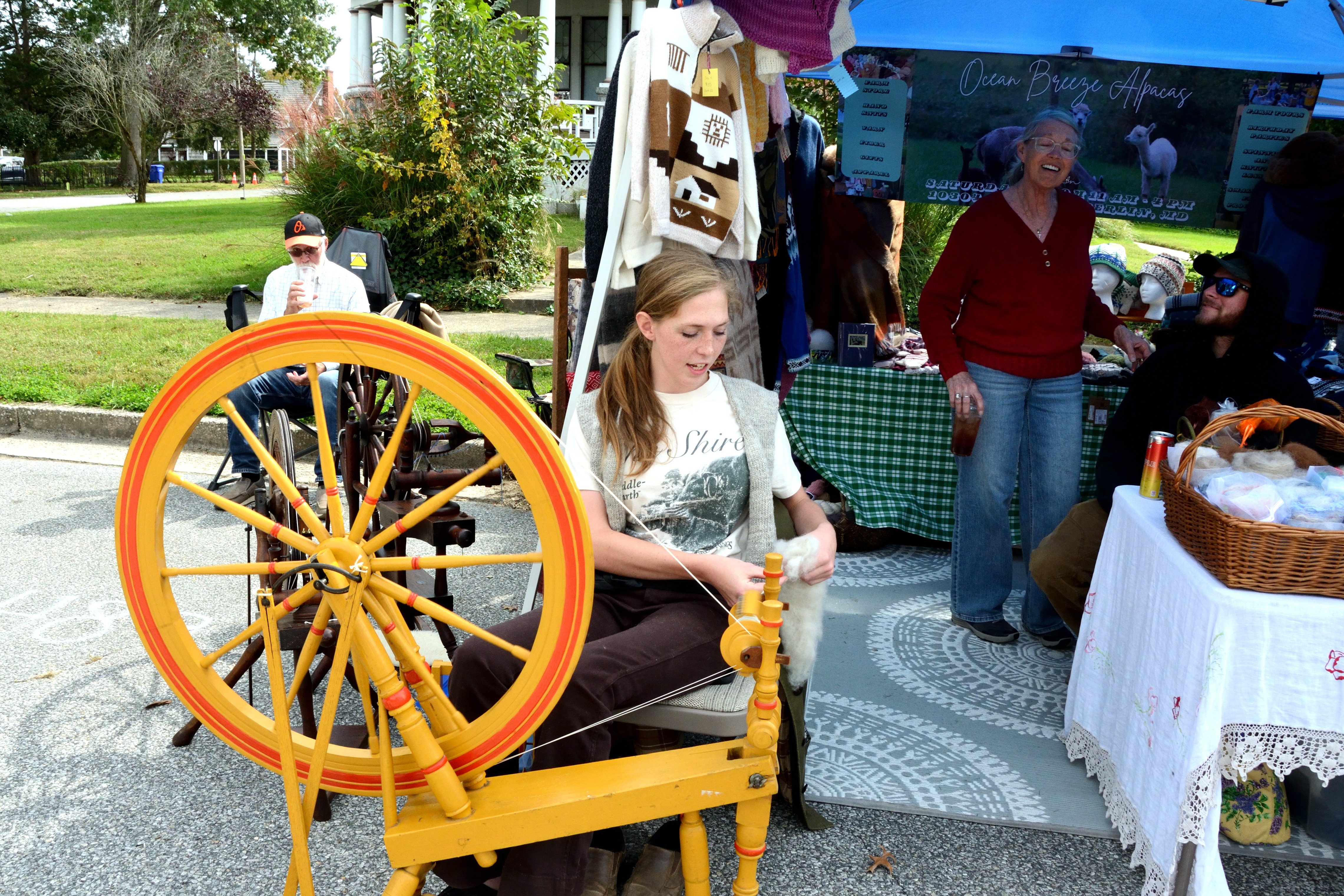 Marina Kane from Ocean Breeze Alpacas demonstrates spinning on a Canadian production wheel. (Frank Liang/The Epoch Times)
The farm shears its alpacas once a year, and Kane washes and cards the fiber before spinning it into yarn and knitting it into garments. She also works with other fibers, including wool she found in a discarded bag, cleaned and made into the garment she wore at the festival.
For Kane, the work is about more than commerce. “This is our craft. This is what makes us happy. This is why we do it. It’s not a way to make money or a way to make ends meet. This is a passion,” she said.
“In today’s world, where all you see at these types of events, it’s all just like AI images printed on stuff and easy files that people are just printing off of a computer. We actually take time to make stuff. I think it’s really important in today’s world to really slow down and get back to the basics and off the screens.”
A Place for Civic Groups
Showcasing the festival’s role as an active civic forum, Tom Molnar, chairman of the Sussex County Republican Committee, staffed a “pop-up store” selling shirts, hats, flags, jewelry, tumblers, and what he described as “patriotic stuff.” He said the store helps raise money for candidates. “We’ve been doing this a little over a year,” he told The Epoch Times.
The store operates about five or six pop-up booths a year, Molnar said, in addition to a permanent brick-and-mortar location. “We’re the only place in the United States has a store connected with a political [party],” Molnar said. Business at the festival had been steady, he said.
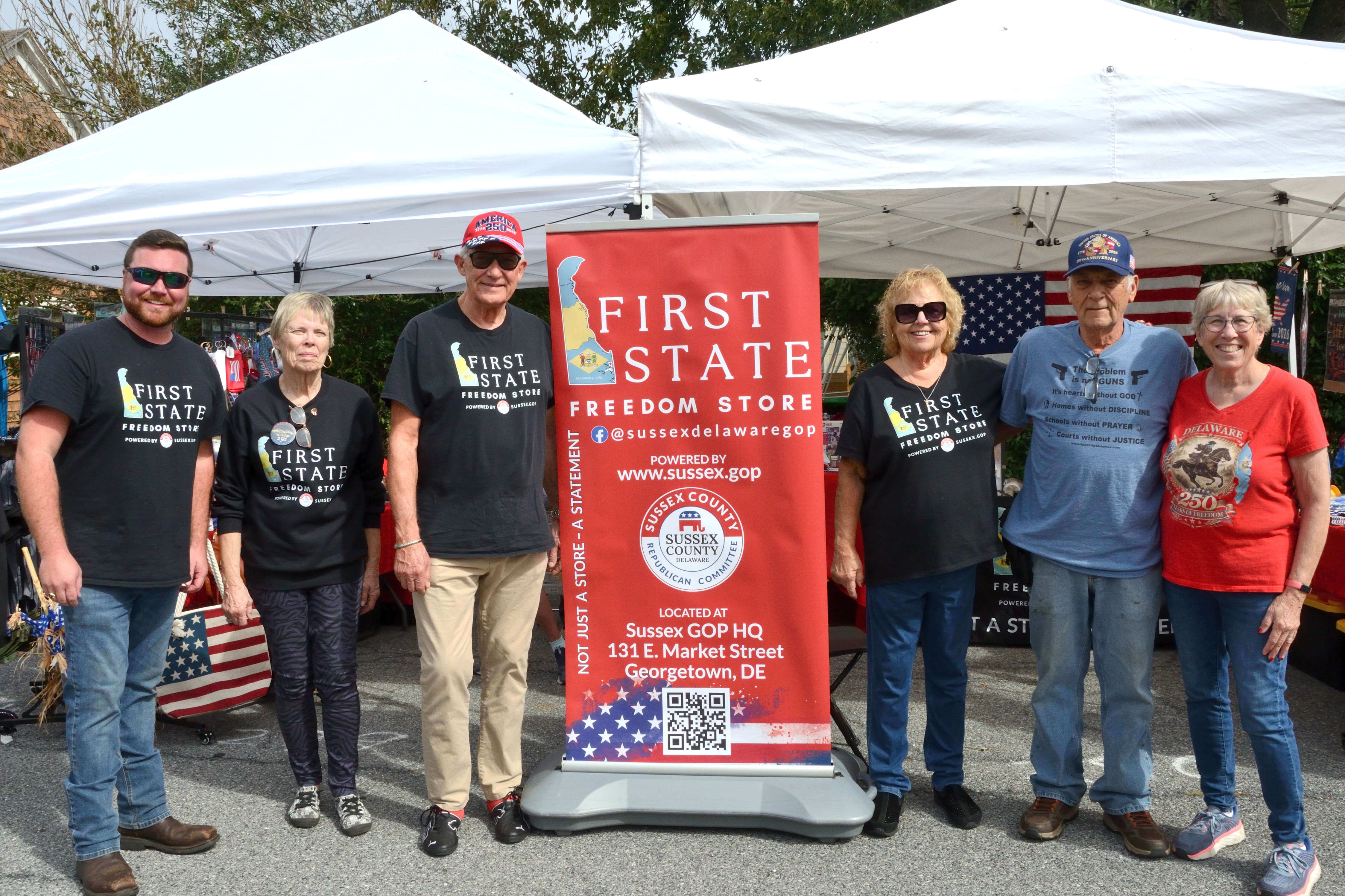 Tom Molnar (2nd R), chairman of the Sussex County Republican Committee, stands at the First State Freedom Store pop-up booth. (Frank Liang/The Epoch Times)
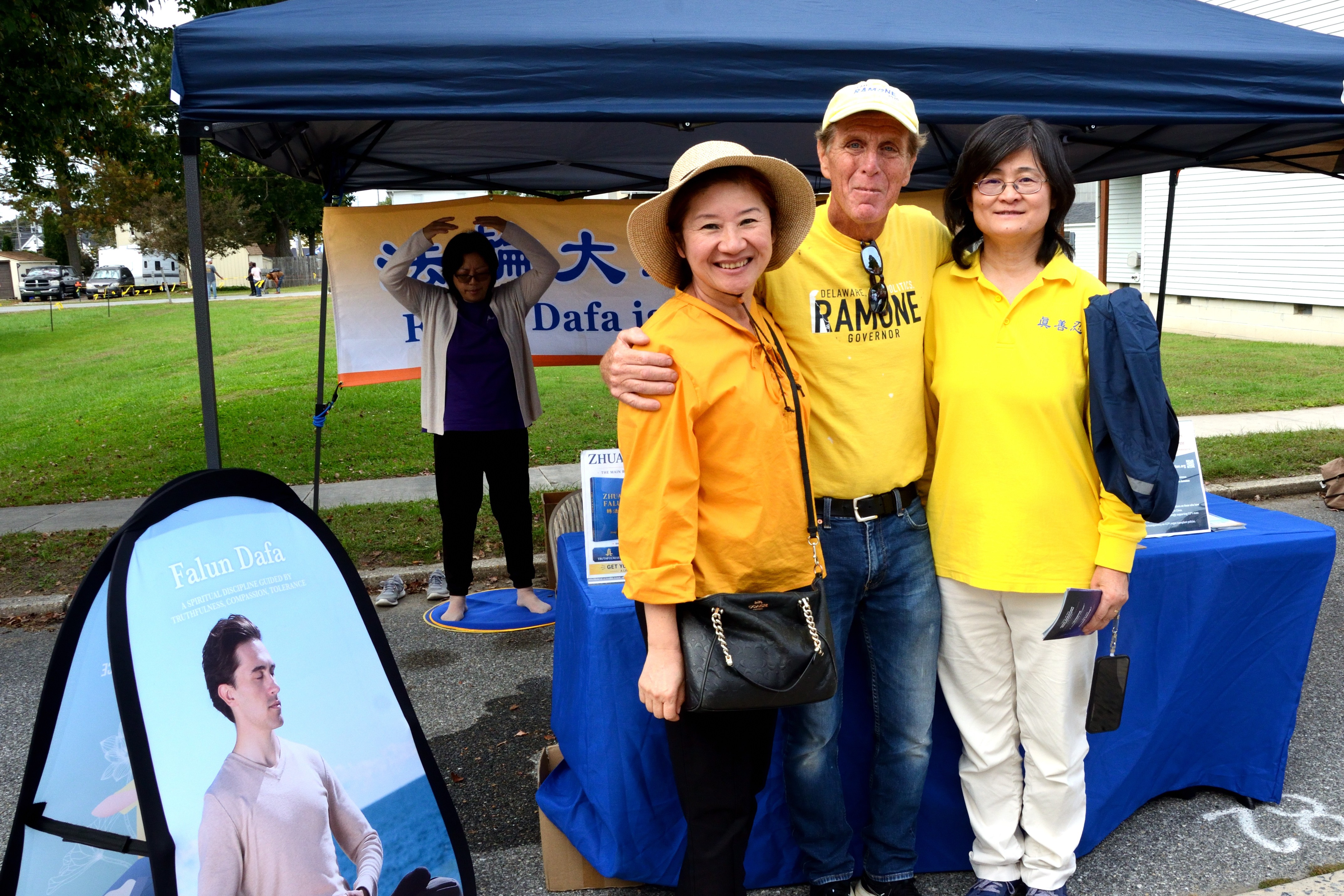 Mike Ramone (C), the Republican candidate for Delaware state treasurer. (Frank Liang/The Epoch Times)
 Friends Read Free
Copy
Facebook
Tweet
Friends Read Free
Copy
Facebook
Tweet