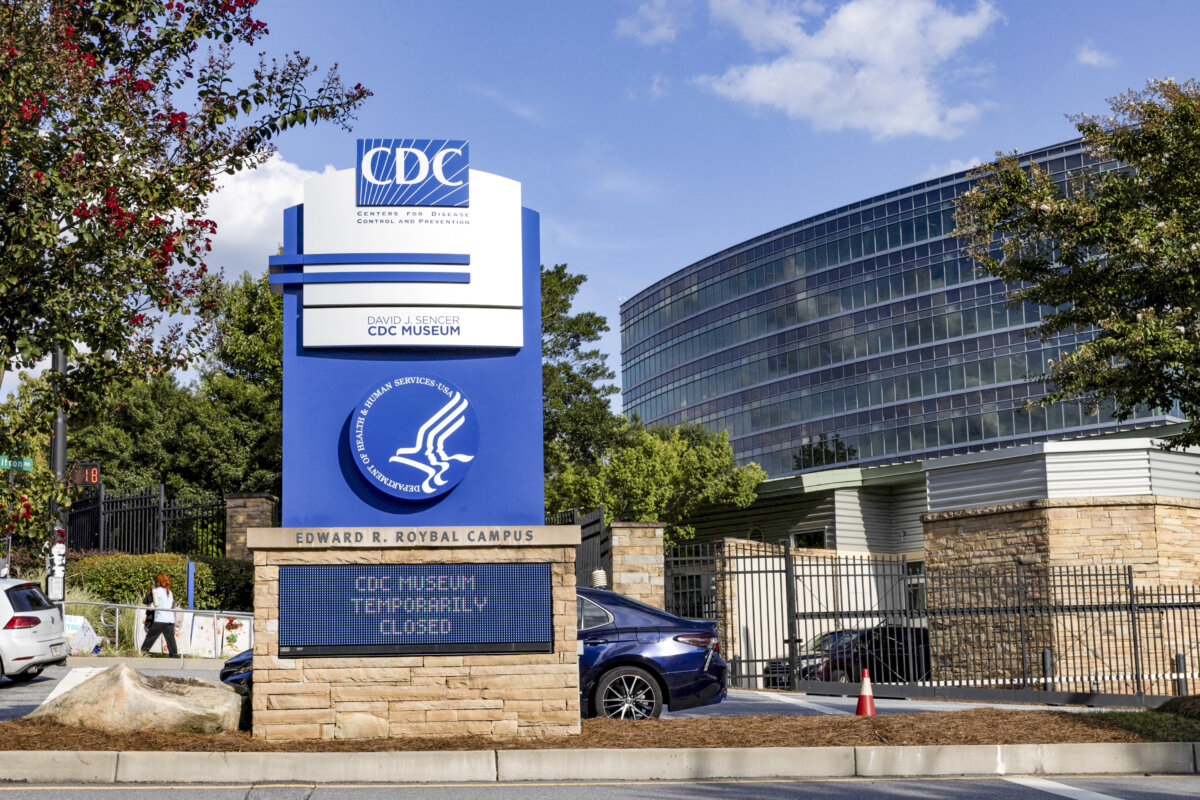

The United States has recorded more than 4,000 cases of the measles throughout 2026, according to data released by the Centers for Disease Control and Prevention last week.
Figures released by the health agency show that 4,080 confirmed measles cases were reported across the nation for the year in 47 jurisdictions. Eighteen measles cases were confirmed among international travelers to the United States.
The CDC also confirmed 42 new outbreaks in 2026, with 96 percent of cases associated with measles outbreaks.
More than half of all cases were in children and young adults, the CDC update said. Around 17 percent were in children under age 5, while 42 percent occurred in individuals aged 5 to 19, it said.
Around 40 percent were in people aged 20 and older, while about 1 percent of cases had an unknown age, the CDC said.
Around 95 percent of people who contracted the viral infection were unvaccinated or had an unknown vaccination status, according to the agency. Two percent had one dose of the commonly administered measles, mumps, and rubella (MMR) vaccine, while another 2 percent of cases had two doses of the MMR injection.
Meanwhile, 10 percent of all cases were hospitalized, representing 414 people, according to the CDC. The agency said 15 percent of those hospitalized were under 5 years of age, while 5 percent were aged 5 to 19, and 14 percent were 20 and older.
Two deaths have been reported to the CDC so far, it said. Officials in Pennsylvania said earlier this week that six people have died in the state so far, with one death occurring this week in Franklin County.
“This is the first death in Franklin County in many years with a patient with a recent history of a measles diagnosis and meets the definition set forth by the Pennsylvania Department of Health for a measles-associated death,” the Franklin County Coroner’s Office said in a statement.
The Pennsylvania Department of Health on Oct. 7 reported 1,078 confirmed measles cases across 41 counties, with 207 hospitalizations and five confirmed measles-associated deaths. Four of the cases involved vaccinated individuals, representing less than 1 percent of the total.
In August, U.S. Health Secretary Robert F. Kennedy Jr. said that a previous report from Pennsylvania state health officials about two measles-related deaths “appears to have been premature, and the deaths may even have been altogether fabricated by one of the Governor’s hopeful staffers.” He said at the time the coroner had no record of measles deaths.
Earlier this month, New York Gov. Kathy Hochul declared a statewide disaster emergency that would allow the state to respond more quickly to any cases of the virus.
“No one should get seriously ill or die from a vaccine-preventable disease,” the governor said.
Health officials say measles generally shows up in two stages. In the first, most people develop a fever, runny nose, red eyes, or cough.
The second stage, they say, starts about two to three days after the initial symptoms. Some people develop what is known as Koplik spots—tiny white spots—inside the mouth, according to the CDC.
Three to five days after the first symptoms begin, the telltale measles rash starts to appear on the patient’s face near the hairline area before it spreads to the rest of the body, spreading downward, the CDC has said.
Kimberly Hayek contributed to this report.
 Friends Read Free
Copy
Facebook
Tweet
Friends Read Free
Copy
Facebook
Tweet