The U.S. drug war is now in cyberspace, and the main antagonists are transnational criminal organizations (TCO) serviced by Chinese money laundering outfits, law enforcement officials say.
“Mexican cartels’ ability to traffic deadly fentanyl into the United States is greatly enhanced by Chinese money laundering,” said Steven Cagen, an official at the investigative arm of the Department of Homeland Security (DHS).
“These organizations have a vast global infrastructure to clean illicit proceeds for various criminal organizations, mostly including Mexican cartels.”
Mr. Cagen, an assistant director for countering transnational organized crime at DHS’s Homeland Security Investigations, was one of several witnesses to testify before the House Homeland Security Subcommittee on Border Security and Enforcement on July 12.
Kemp Chester, senior advisor to the director of the Office of National Drug Control Policy, said that while China is a major producer of the precursor chemicals for fentanyl, the regime is refusing to do its part to stop the production of the chemicals used to produce the synthetic opioid.
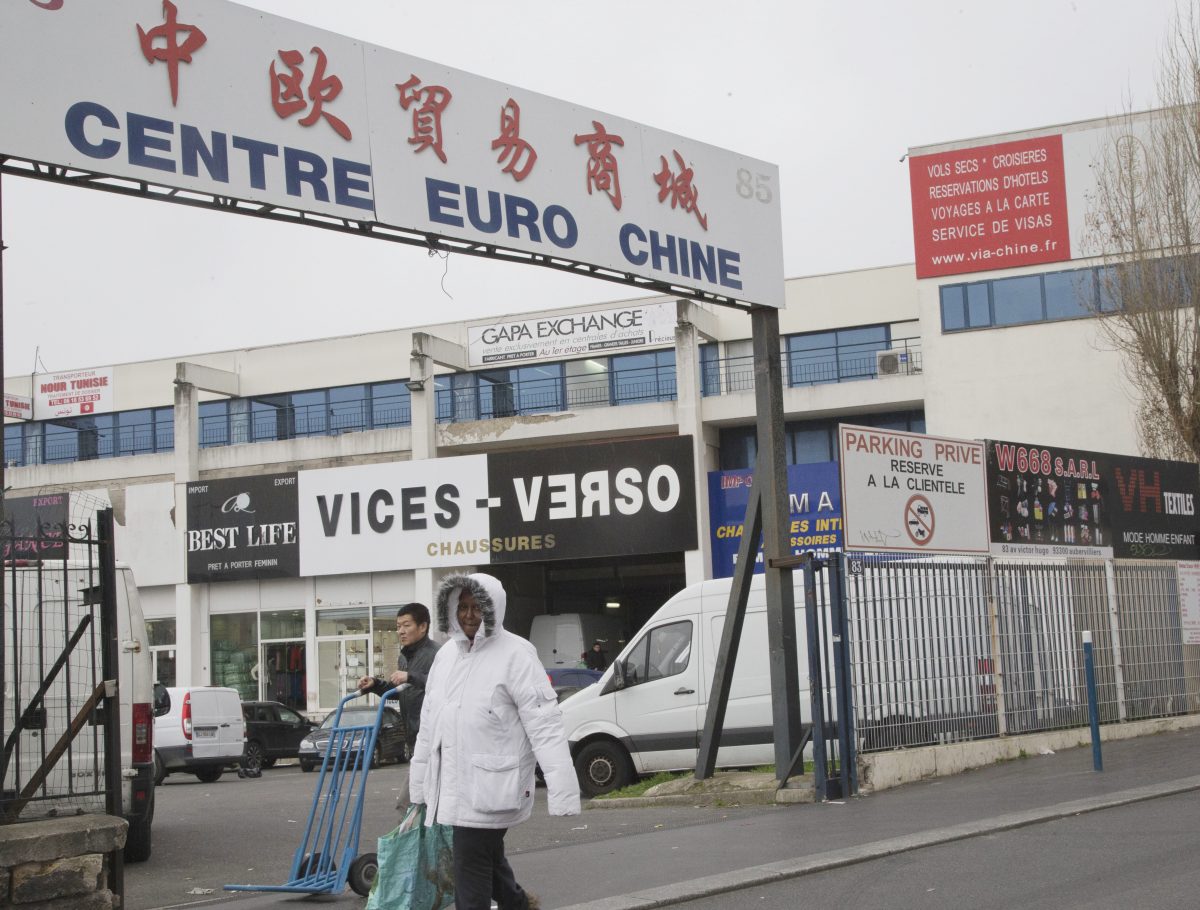
Instead, it appears that the Chinese are, at best, standing by, or at worst, enabling TCOs in the manufacture and distribution of the deadly drug, he said.
Mr. Chester said Chinese money laundering operations are making the drug dealers who engage with them richer at a pace that’s faster than ever. Money laundering that would have taken weeks or months in the past now takes just a few hours, he said.
The money launderers still resort to the old methods, such as mingling cash with the proceeds of a legitimate business or bartering for guns or drug-making equipment on the black market. But they also use cryptocurrency and electronic banking on the dark web to disguise and move their profits, the witnesses said.
Channing Mavrellis, director of the illicit trade program at the think tank Global Financial Integrity, told a separate House subcommittee last April that Chinese money laundering operations exploit China-specific exchanges and manufacturing centers.
She said drug proceeds are given to Chinese brokers in the United States. Those brokers advertise the dollars for sale to Chinese nationals in China, who purchase the equivalent sum in local currency and use that currency to purchase goods. Those goods are sent to Latin America, where they’re sold for local currency, which is passed to the cartel.
System Is Highly Lucrative
That system, Ms. Mavrellis said, is highly lucrative.
Mr. Chester said that in the past, the Chinese Communist Party (CCP) cooperated in the fight against drugs. He said the Chinese agreed to designate fentanyl as a dangerous drug so it could be better regulated. But about a year ago, relations between the CCP and the United States soured.
“They hold a major role in this problem, and they should, as any great nation hold a major role in its solution as well, and we look forward to them engaging with us,” he said.
George Papadopoulos, principal deputy administrator for the Drug Enforcement Administration (DEA), said that just last month, his agency exposed just part of the Chinese involvement in fentanyl production.
The DEA announced the results of Operation Killer Chemicals, an investigation focused on precursor chemicals used to make fentanyl. Mr. Papadopoulos said DEA agents charged eight Chinese citizens and—for the first time—four Chinese companies with conspiracy to manufacture and import fentanyl into the United States.
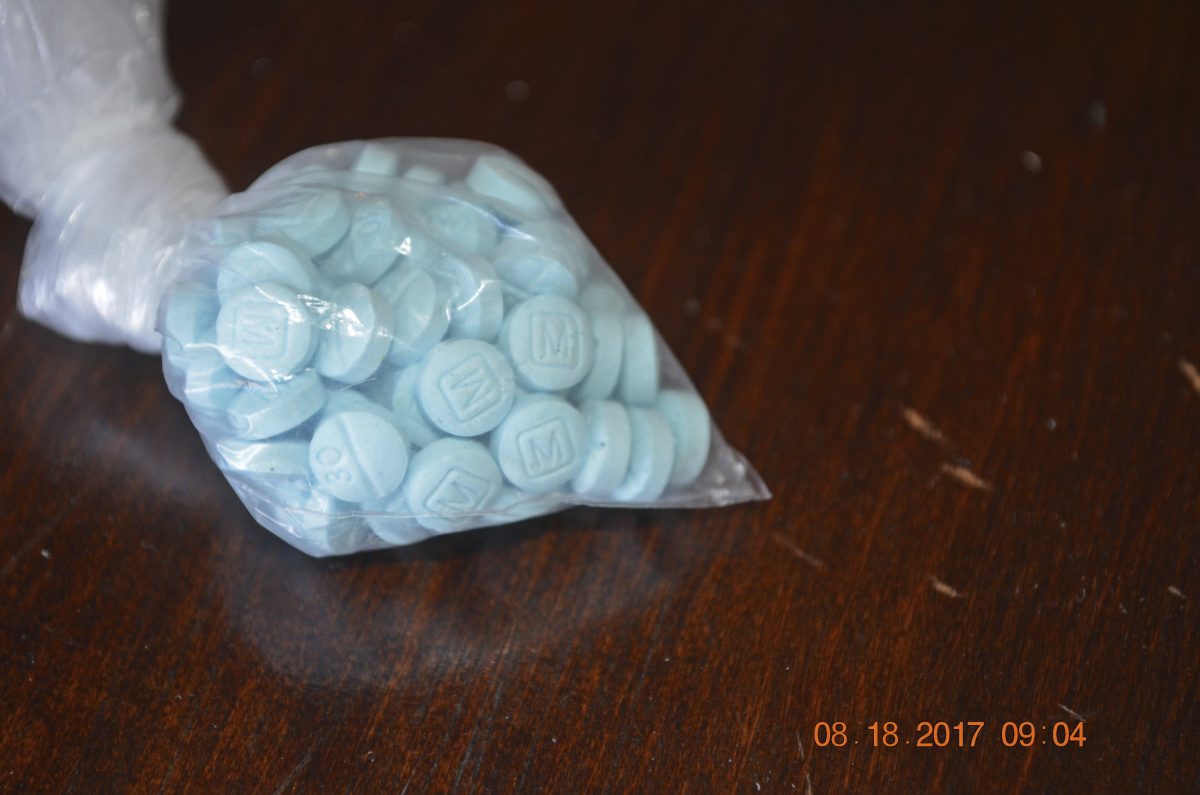
“These individuals and companies sold enough precursor chemicals to produce millions of potentially deadly doses,” Mr. Papadopoulos said.
According to Tyrone Durham, director of the Nation States Threat Center for the Department of Homeland Security, China is an almost perfect environment to get into the drug trade. The country has a large, loosely regulated chemical manufacturing infrastructure and a porous border.
He said it’s easy for Chinese criminals to manufacture the chemicals, smuggle them out of the country while mixed in legitimate products, then divert the chemicals to the Mexican cartels or other drug operations once they’re out of China.
“China is the source of most of the precursor chemicals required for fentanyl production,” Mr. Durham said.
Industrial Scale Production
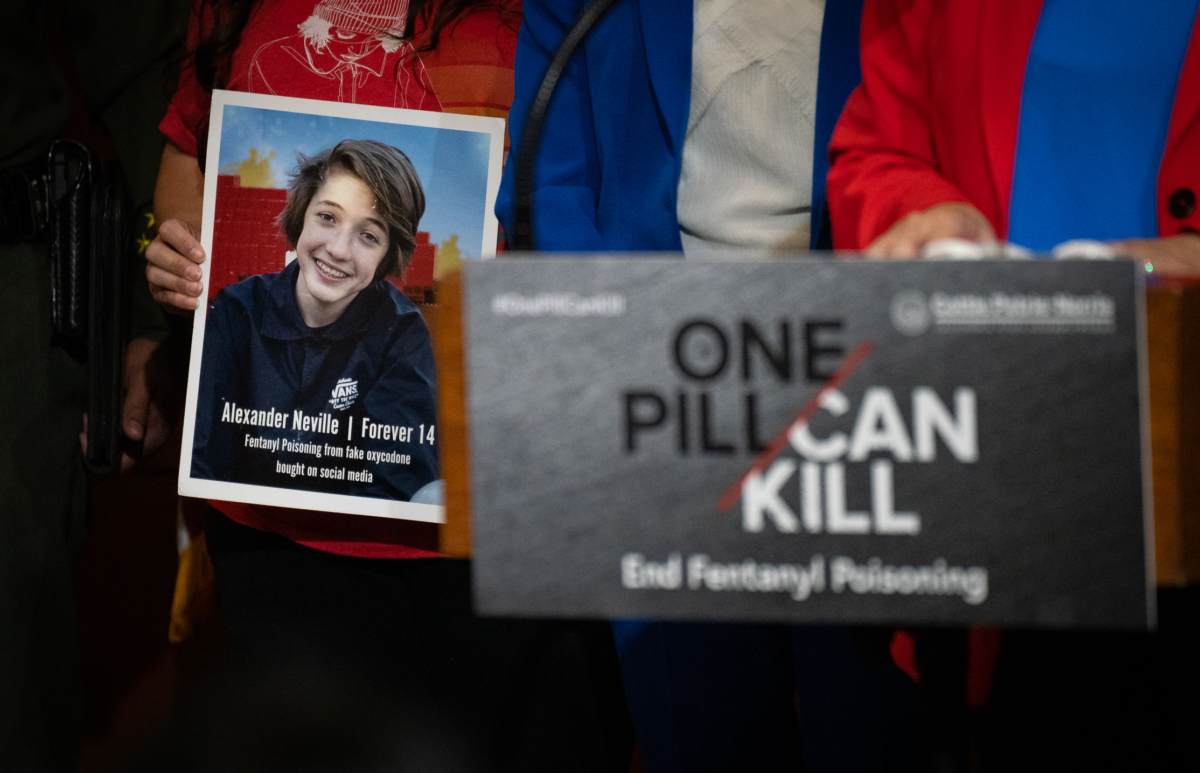
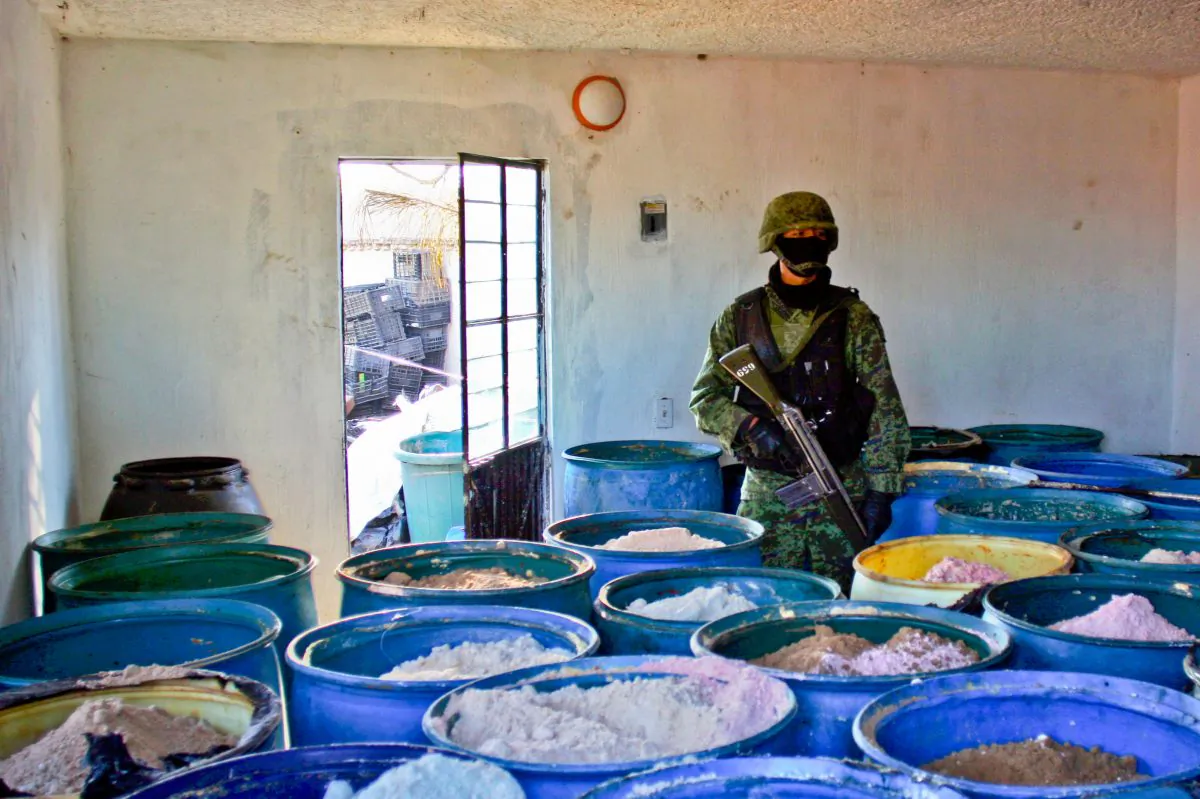
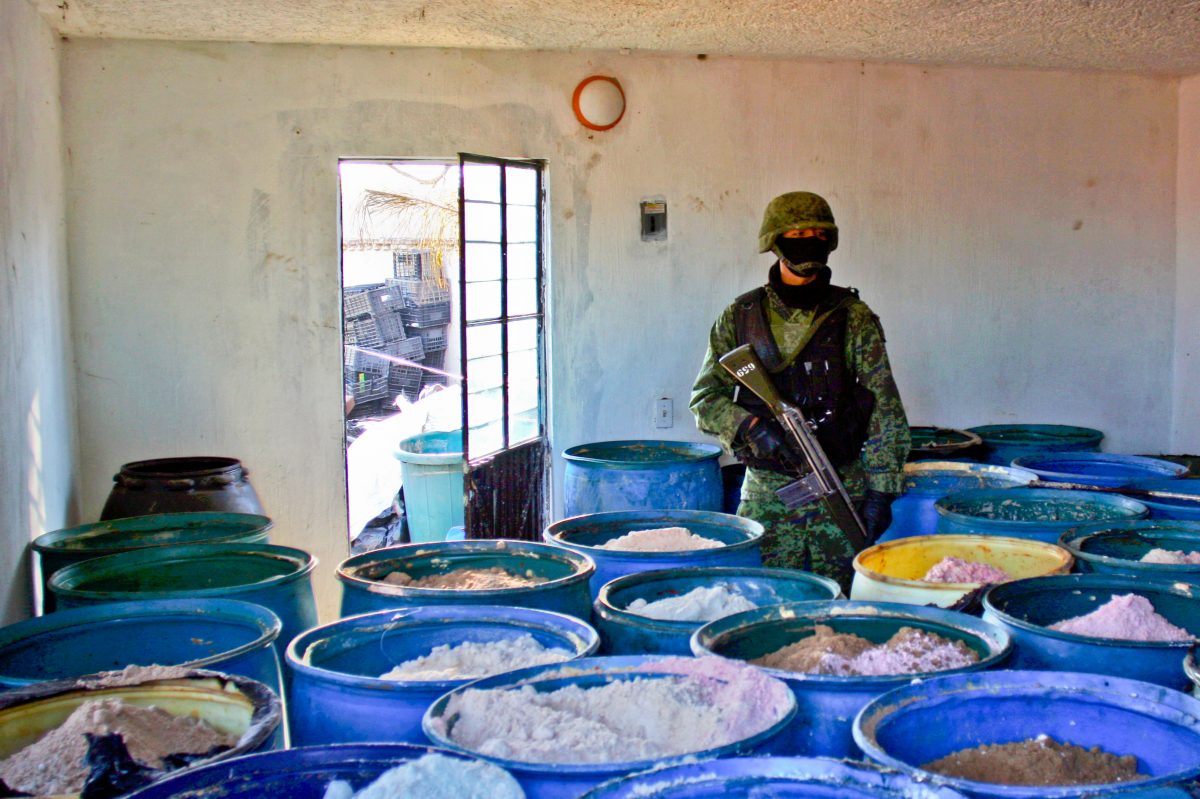
U.S. officials say Mexican cartels are using everything at their disposal to move the highest volume of illicit drugs into the United States as possible. Mr. Papadopoulos pointed to Mexican cartels producing fentanyl “on an industrial scale.”
In addition to selling the drug for use, the cartels also add it to other drugs and to counterfeit medications to enhance their effects. He said the two cartels responsible for most of the fentanyl that gets into the United States are the Sinaloa and Jalisco cartels. According to Mr. Papadopoulos, the cartels have manufacturing and distribution operations that are based on legitimate business models.
They use unmanned drones for surveillance and delivery, and social media and the dark web to sell their drugs while making huge profits out of view of the public.
“I can assure you that the drug poisoning epidemic we are experiencing today is unprecedented,” Mr. Papadopoulos said. “Many people that die from fentanyl didn’t know they were taking fentanyl.”
Andrew Thornebrooke and The Associated Press contributed to this report.
 Friends Read Free
Copy
Facebook
Tweet
Friends Read Free
Copy
Facebook
Tweet