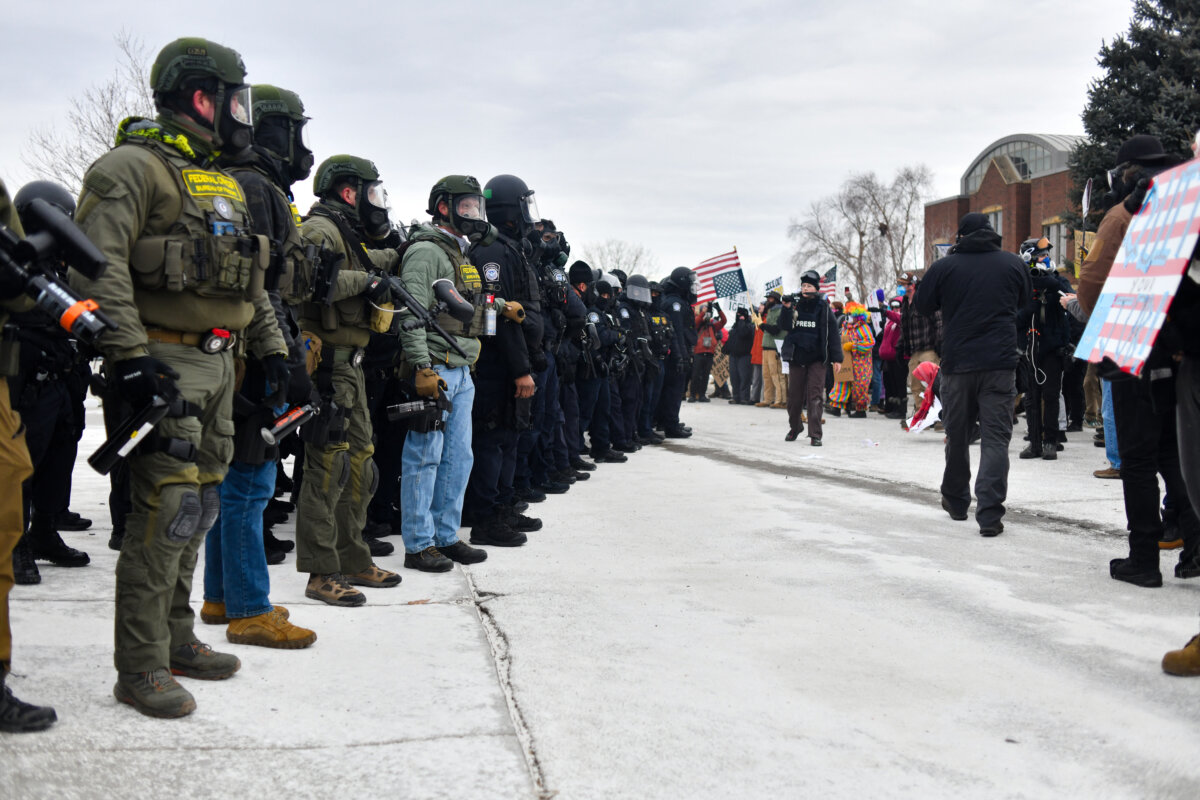
The Department of Homeland Security’s (DHS) top lawyer accused a federal judge of working with other judges to block immigration law enforcement after the jurist said that the Trump administration’s Minnesota enforcement surge created “a grave threat to the rule of law.”
The accusations followed a New York Times article published on Sept. 17 featuring a joint interview with seven Minnesota judges.
It is unusual for federal judges to sit for wide-ranging media interviews dealing with their rulings and what impact they have had. The high-profile enforcement surge in the Twin Cities ran from December 2025 to the middle of February 2026.
On Jan. 28, U.S. District Judge Patrick Schiltz issued an order saying Immigration and Customs Enforcement (ICE) had failed to comply with nearly a hundred court orders. Schiltz, who was confirmed by the U.S. Senate in 2006 after being nominated by President George W. Bush, previously clerked for conservative Supreme Court Justice Antonin Scalia.
“ICE is not a law unto itself,” the judge said in a written order. “ICE has every right to challenge the orders of this Court, but, like any litigant, ICE must follow those orders unless and until they are overturned or vacated.”
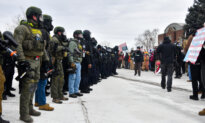
During the surge, DHS moved detainees out of Minnesota almost as quickly as attorneys could get into court. DHS General Counsel James Percival said Minnesota judges sat ready to issue emergency orders to keep those cases from leaving the judicial district. Schiltz said the court was responding to the government’s failure to obey its orders.
Percival said on X on Sept. 17 that Schiltz’s comments that appeared that day in The New York Times show “profound bias against DHS and the current [administration] and he admits to extreme misconduct.” Percival said that Schiltz admitted to “essentially conspiring with his judicial colleagues to thwart DHS’s immigration enforcement in Minnesota.”
Percival said the next day on X that the article described “judges sitting by their phones ready to issue [temporary restraining orders] ASAP,” during the surge even though “there was no emergency.” The restraining orders were issued “to prevent judges from outside [Minnesota] from hearing the cases,” he said.
The judge said in the interview that his Jan. 28 order was prompted by concern that the federal government’s failure to obey court orders had clogged court dockets, exacerbated tensions in the protest-riven metropolis, and jeopardized the constitutional order. He said he believed most of the noncompliance arose from incompetence and understaffing, rather than conscious decisions to defy the court.
Several federal district judges, appointed by presidents from both parties, also spoke with the newspaper.
Judge Nancy Brasel said judges “are allowed to speak out about judicial independence” and “should, in order to keep it.” Judge Eric Tostrud said Schiltz was “the perfect person to lead us” during the surge, calling him “independent, brilliant, courageous. And not faint of heart.” Judge John Tunheim said the government “wasn’t arresting, in my view, people who were dangerous criminals on the street.”
The Epoch Times reached out for comment to the U.S. Department of Justice. No reply was received by publication time.
Jacob Burg contributed to this report.
 Friends Read Free
Copy
Facebook
Tweet
Friends Read Free
Copy
Facebook
Tweet