The U.S. Department of Justice (DOJ) has sued four states for allegedly refusing to provide confidential license plates for federal agencies that enforce immigration laws.
The DOJ alleges in a May 28 press release that state officials in Maine, Massachusetts, Oregon, and Washington implemented policies that effectively denied the license plates to any federal agency that may enforce immigration law.
The department says that the confidential license plates help prevent criminals from identifying federal agents and targeting them for harassment and attacks.
In the four complaints filed in the U.S. District Courts of each state, the DOJ says that local law enforcement agencies, as well as other federal agencies, do not have to follow the same process.
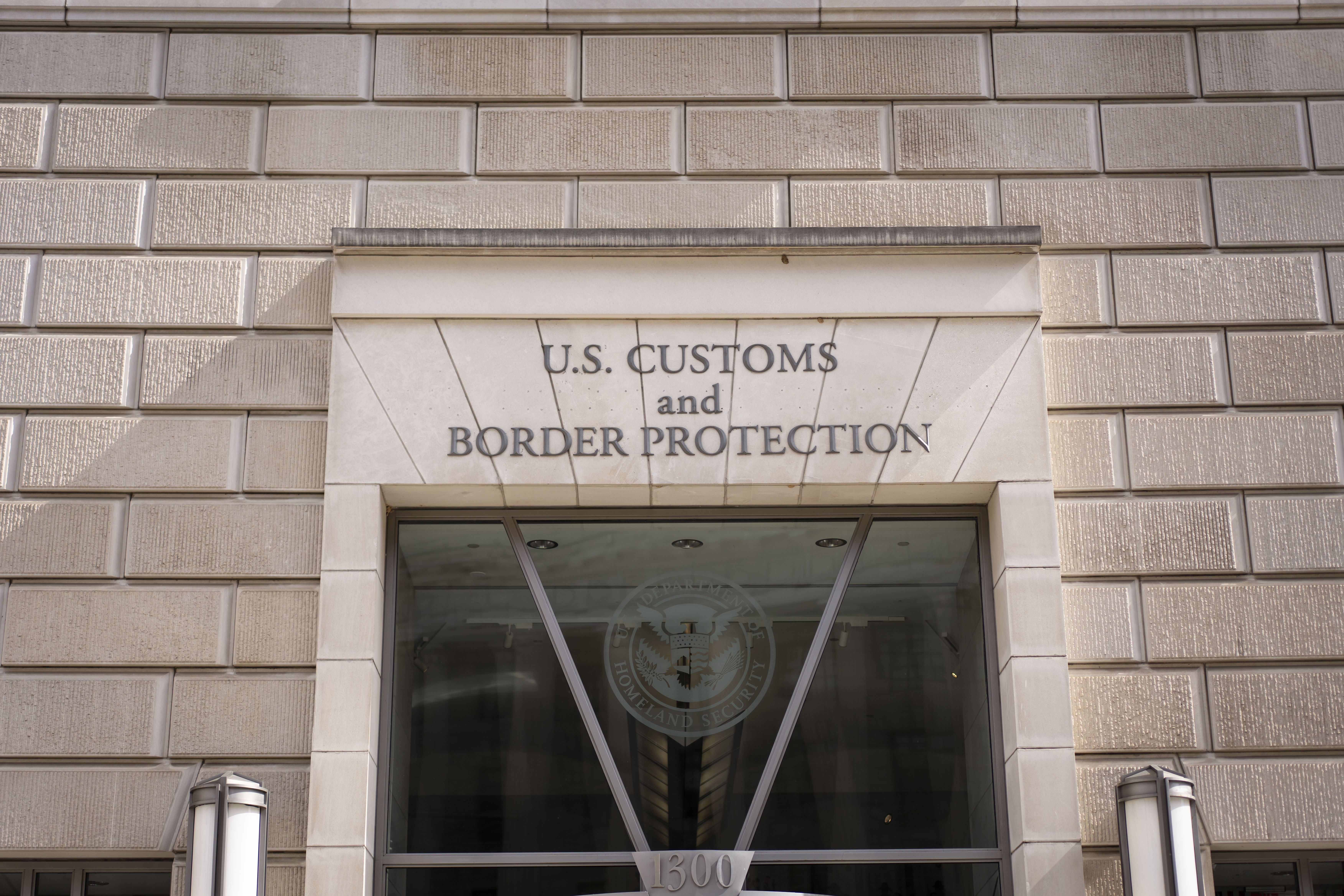
In the lawsuits, the DOJ claims that the Department of Homeland Security, Immigration and Customs Enforcement (ICE), and Customs and Border Protection (CBP) are targeted for extra scrutiny when applying for the license plates.
“In January 2026, in response to a routine request for confidential license plates from Homeland Security Investigations (HSI)—a subcomponent of the Department of Homeland Security (DHS)—Washington informed HSI that it suspended the issuance and renewal of confidential and undercover license plates for DHS-affiliated entities, but not state or local agencies,” the Washington lawsuit says.
In a May 22 letter, Assistant Attorney General Brett Shumate wrote that the policies violate the Constitution’s supremacy clause, discriminate against federal agencies, and put the states in the position of unlawfully regulating the federal government, as well as increasing the danger that federal agents face.
The letter included a link to a Jan. 26 press release from the DHS that reported threats against ICE agents had increased by 8,000 percent.
The press release contained the transcript of a telephone message left for an ICE agent in Minnesota on Jan. 24.
In the expletive-laden message, the caller wishes death on the agent and his family and calls the agent a traitor to the United States. The message ends with, “Kill yourself.”
The lawsuits ask the courts to order each state to rescind any policies that prevent certain federal agencies from receiving the undercover license plates.
“The Department of Justice will steadfastly protect the operational effectiveness and safety of law enforcement from these unconstitutional state policies,” said Shumate of the Justice Department’s Civil Division.
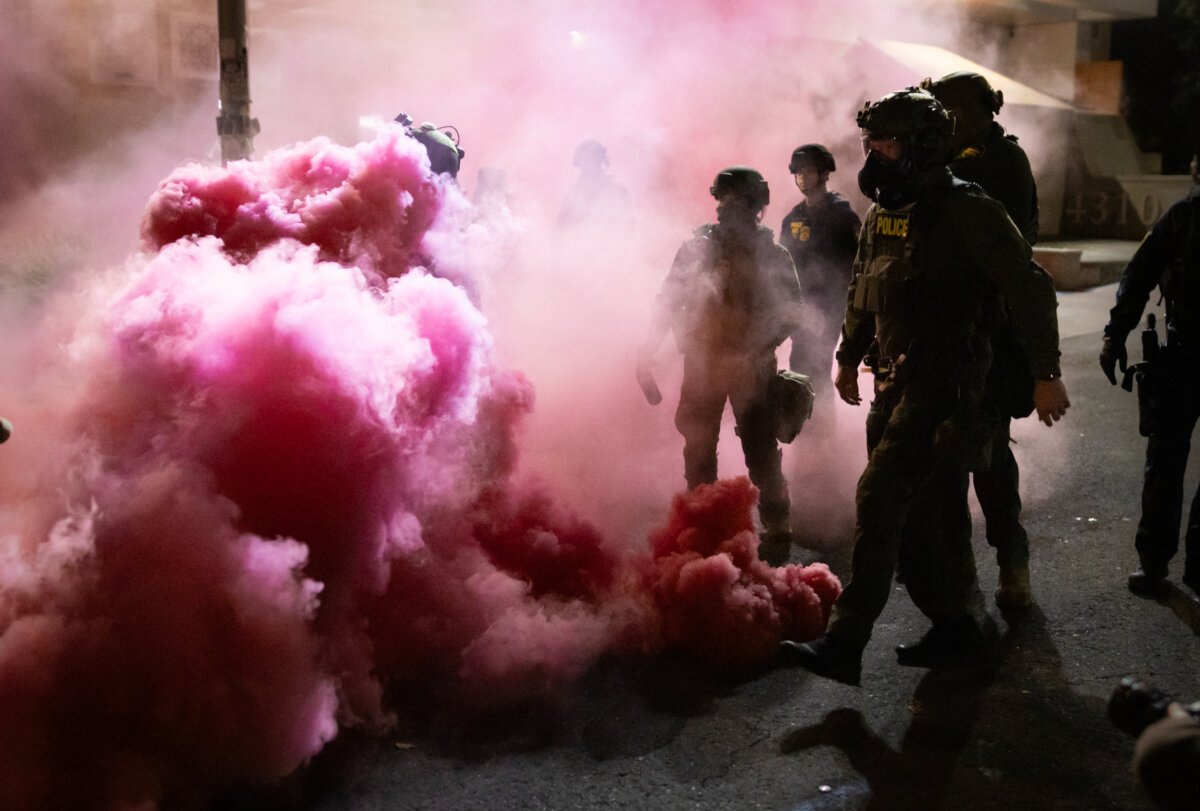
DHS personnel have been subjected to at times violent protests during operations to arrest illegal immigrants.
In January, two people, Renee Good and Alex Pretti, were killed by federal agents in separate incidents during protests in Minnesota, inflaming the ire of opponents to the Trump administration’s immigration enforcement operations.
DHS was shut down for 76 days as Congress fought over funding the agency.
In an email to The Epoch Times, Massachusetts Gov. Maura Healey’s office accused ICE agents of “unconstitutional tactics” and said the state supported “legitimate” law enforcement actions.
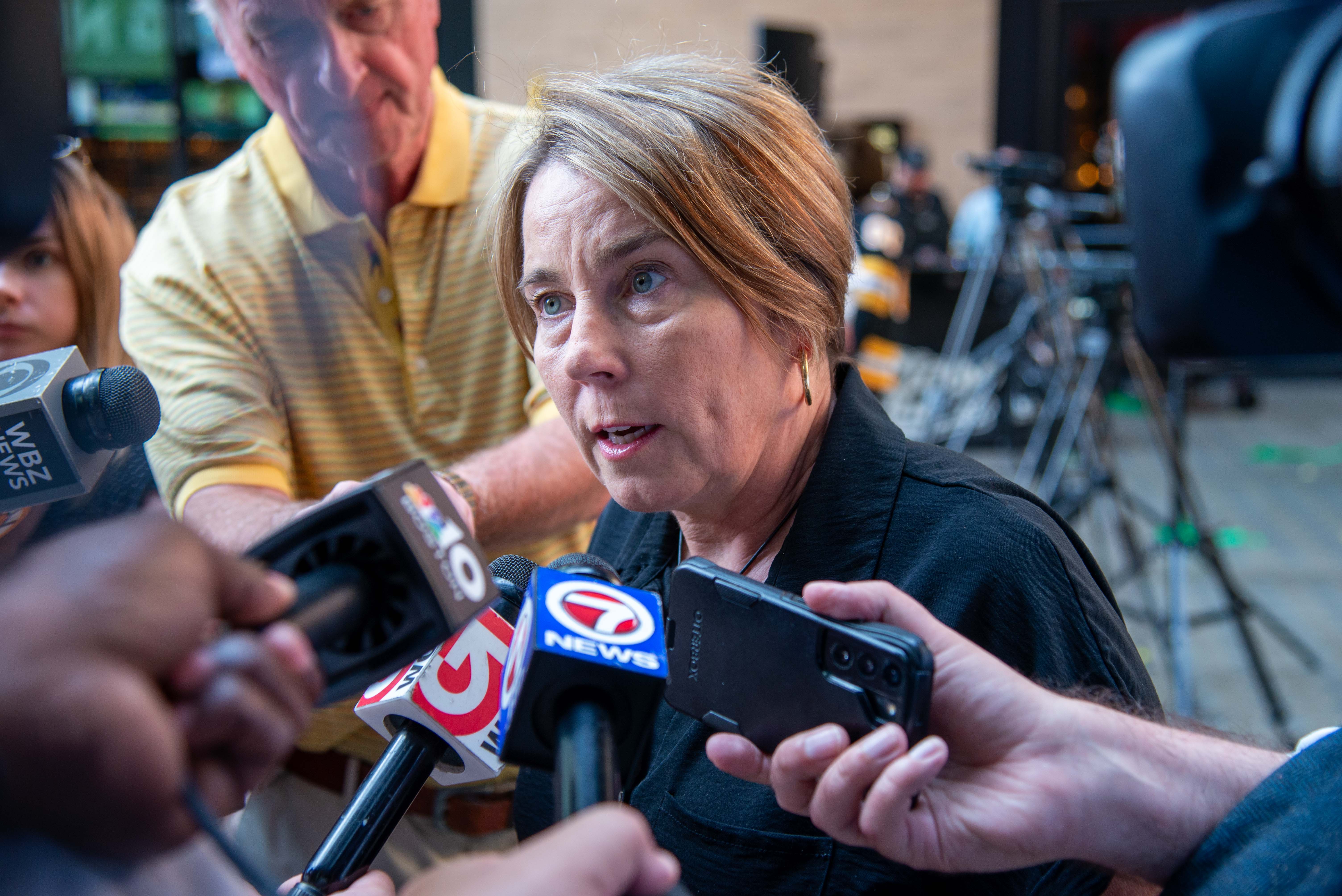
“In Massachusetts, we support law enforcement doing legitimate criminal investigative work, and agencies doing that work can request confidential plates.
“We are not going to use state resources to help ICE operate in secret, and without accountability, while refusing to provide basic information about who they are arresting and why.
“That makes our communities less safe, undermines public trust, and will not be allowed in this state.”
On Jan. 29, Healey signed Executive Order 650 prohibiting the state from entering into agreements with the federal agencies unless there is a public safety need.
The order prohibits ICE from making civil arrests in non-public areas of state facilities and prohibits the use of state property for immigration enforcement staging.
Officials from the other three states did not respond to a request for comment by publication time.
However, they have publicly stated opposition to current immigration enforcement policies.
On Jan. 29, Maine Gov. Janet Mills accused the federal agencies of operating unlawfully and said Congress should hold the agencies accountable.
“Until there are substantive measures and changes in place, no state—including Maine—is protected from the weaponization of Federal law enforcement agencies against its own citizens by the Trump administration,” Mills stated.
Washington Gov. Bob Ferguson has publicly vowed to oppose the Trump administration’s immigration policies and has signed legislation to shield illegal immigrants from federal immigration enforcement.
And in Oregon, Gov. Tina Kotek signed a package of bills last April that set guidelines on how and when immigrants can be arrested, as well as requiring law enforcement officers to identify themselves.
“Our immigrant and refugee communities are Oregon communities, and I will always protect the safety and prosperity of every Oregonian,” Kotek said during a bill signing ceremony.
 Friends Read Free
Copy
Facebook
Tweet
Friends Read Free
Copy
Facebook
Tweet