
Dolly Parton stood just 5 feet nothing, yet her music towered over America’s country scene for six decades.
As word of the death of the iconic singer, actress, philanthropist, and businesswoman circulated on Aug. 25, tributes poured in from across the country and beyond as flags were flown at half-staff.
The 80-year-old star’s passing caused many, from the humble to the powerful, to pause in recognition of her unique place in American culture.
“Very sad to report that Dolly Parton, one of the greatest Country singers, and far beyond, EVER, has just passed away. This is a true loss for millions of people. There has never been anyone like her, and never will. Rest in Peace, Dolly! The World loves you,” President Donald Trump wrote on Truth Social.
Her musical legacy includes 113 songs on Billboard’s Hot Country Songs chart. Of those, 25 reached No. 1—the most by any female artist.
During her rise to fame in the 1960s, she became one of the most prolific female singer-songwriters of her generation. Yet Parton never forgot her east Tennessee values.
Born in 1946 in a one-room cabin in an Appalachian holler, she was one of 12 children. After learning to play the guitar as a girl, she began performing at her church and appeared on local radio and television shows.
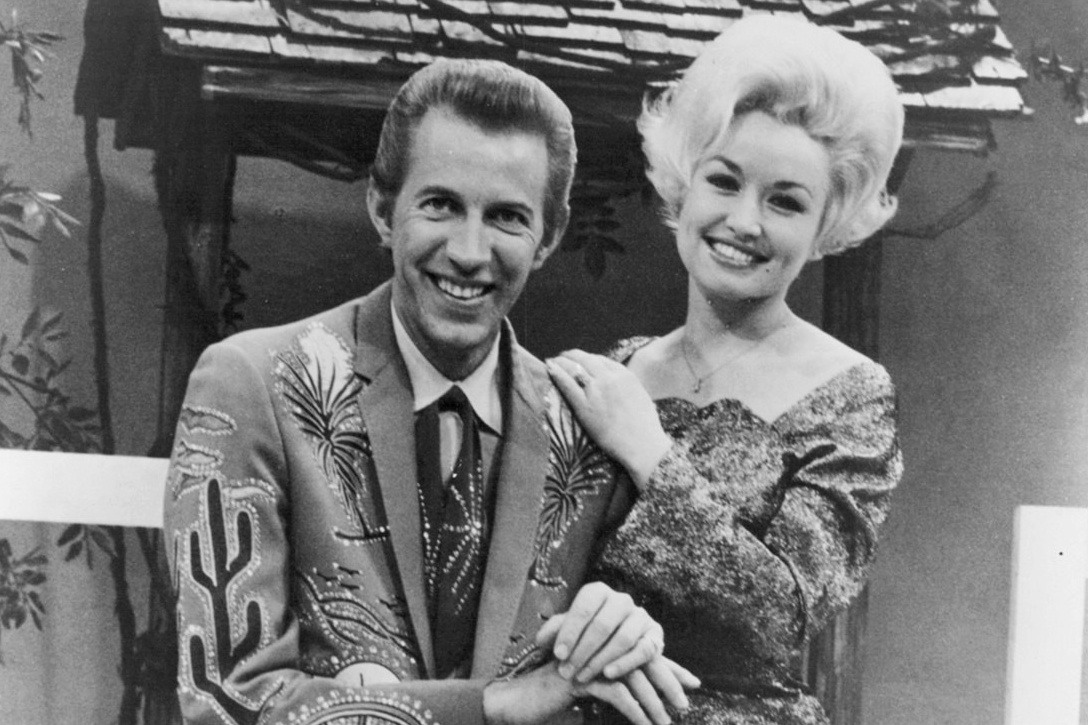
Parton joined forces with Porter Wagoner, known for his pompadour and rhinestone-studded Western suits. They made their official debut performance as a duo at The Grand Ole Opry on Nov. 25, 1967.
That moment marked a milestone for Parton, who had finally made it to Nashville, the country music capital of the world. There, she was destined to overshadow her mentor, demonstrating a rare talent that transcended country music.
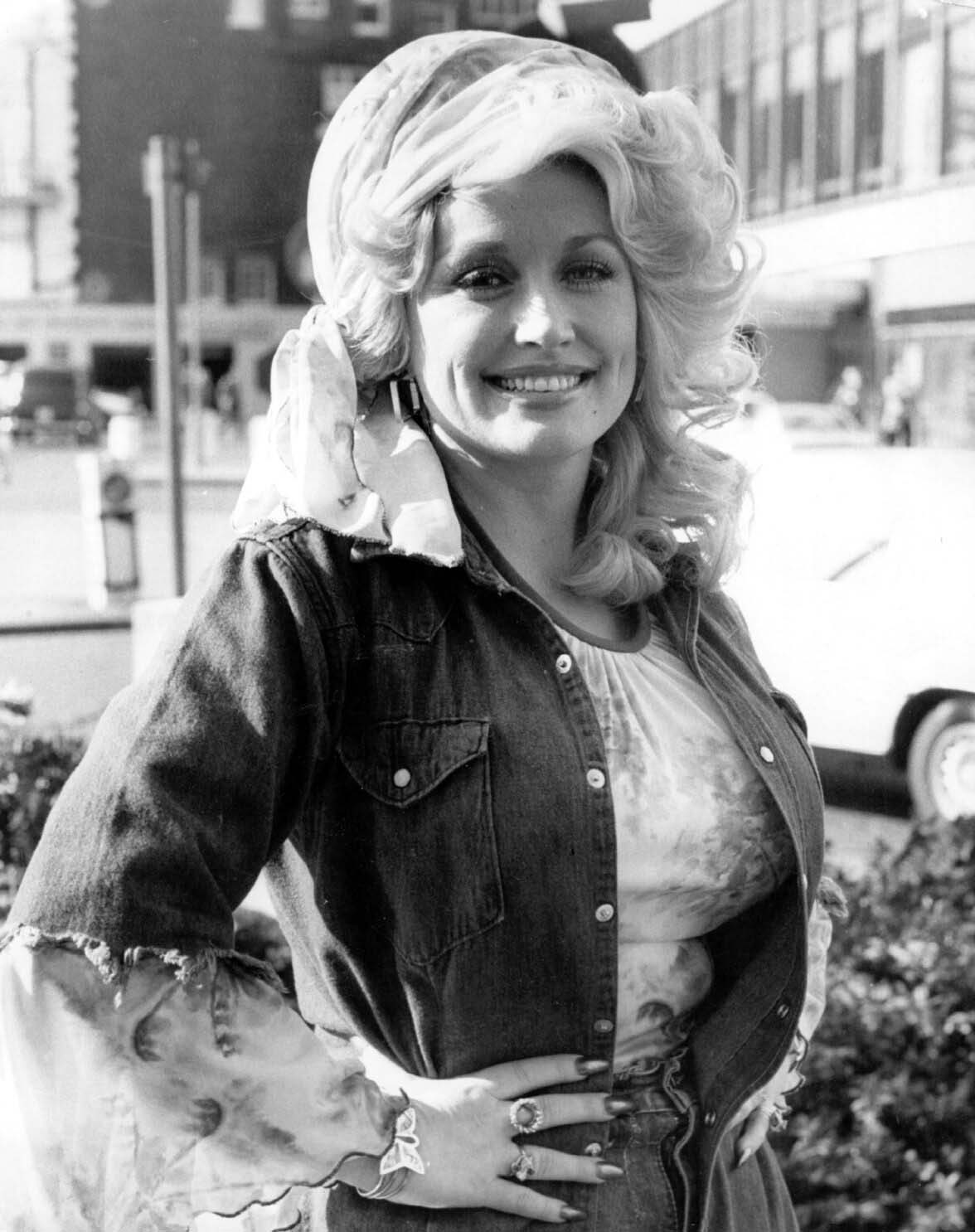 Country music queen Dolly Parton is pictured in London on May 20, 1977, following her performance at the King’s Theatre in Glasgow, Scotland. (Keystone/Getty Images)
‘Face of Country Music’
Gary Scott Thomas, a longtime country radio show host and podcaster, said he remembers seeing Parton and Wagoner playing in the back of a flatbed trailer out in a field in Red Level, Alabama. The year was 1970, and it was his first country concert.
“Her hair was as big as she was,” he told The Epoch Times. “She was known for her curvy figure. But what drew you in was her smile. There was nothing about that woman that just did not radiate joy.”
Thomas, who has worked for KRTY.com in San Jose, California, since 1991, said that when his phone began buzzing on Aug. 25, he knew that something big was happening.
“By the third time, I’m like, I should check this out. And the world stopped,” he said of the news of Parton’s death. “She was the face of country music for the last 40, 50 years.”
Sierra Bernal, a Nashville songwriter and recording artist, said that Parton stayed true to her hillbilly roots.
One of her favorite Parton quotes was “It takes a lot of money to look this cheap.” It was pure Parton, a testament to how she navigated fame and fortune with grace and laughter.
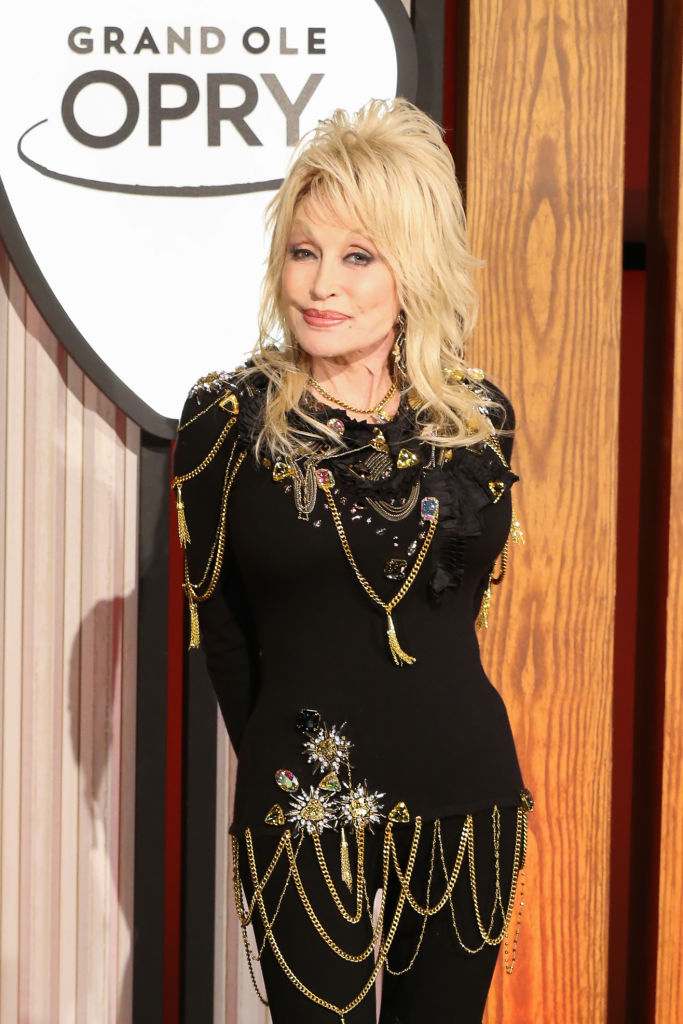 Dolly Parton attends a news conference before a performance celebrating her 50th anniversary with The Grand Ole Opry at The Grand Ole Opry in Nashville, on Oct. 12, 2019. (Terry Wyatt/Getty Images)
Like so many good songwriters, Parton drew on love and loss to write songs that meant something to people.
Appalachian-Born
One of her first hits came in 1971 with “Coat of Many Colors,” which drew from her own childhood. In the song, Parton sings of a mother sewing a box of scraps into a coat to keep her little girl warm, and although her classmates mocked it, she prized the coat.
“I know we had no money/ But I was rich as I could be/ In my coat of many colors/ My mama made for me,” she sang.
Mountain folk, many of whom struggled to keep a roof over their heads and bellies full, understood Parton’s words that drifted from AM radios in beat-up Chevy trucks.
Parton was a daughter of the Smoky Mountains whose eyes saw their world because it was her world, too.
And they loved her for it.
As Kyle Young, CEO of the Country Music Hall of Fame, into which Parton was inducted in 1999, wrote upon her passing: “She came from poverty to become the most important native of Tennessee. She shared her fortunes for the good of all of us, and shared her soul in every note she sang.”
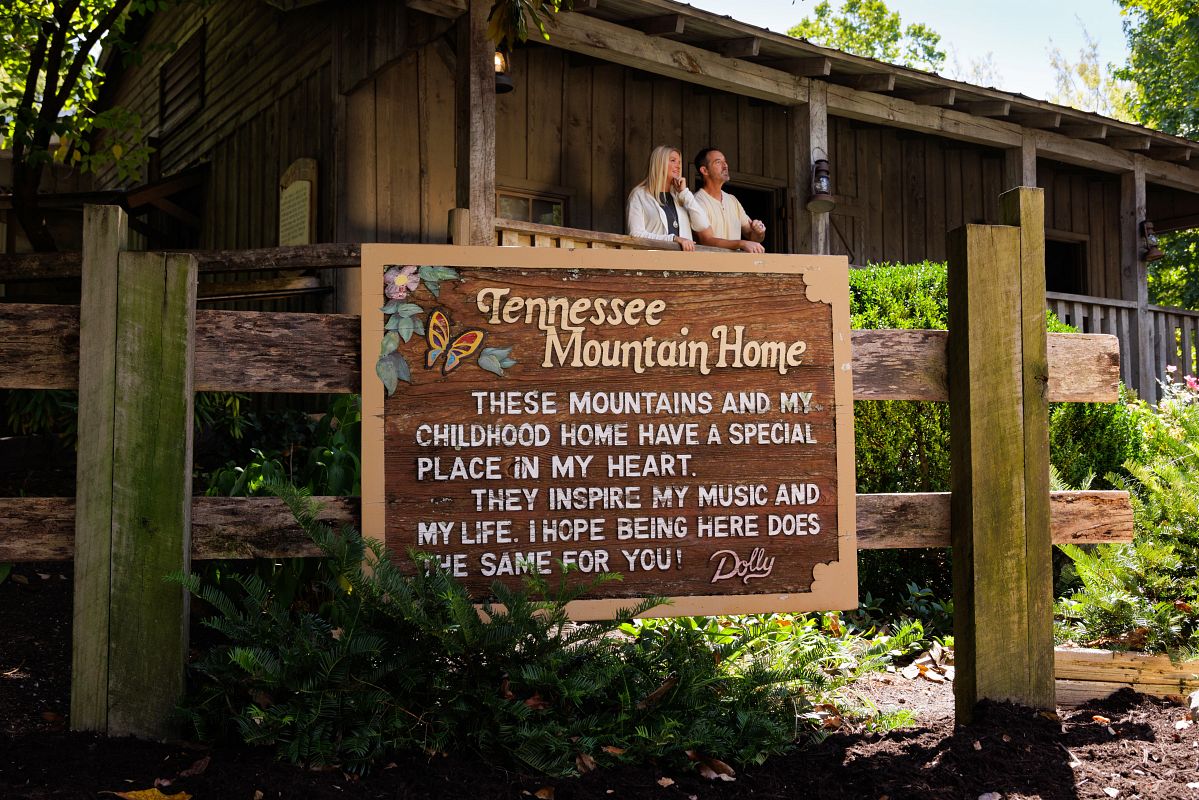 The “Tennessee Mountain Home” plaque bears Dolly Parton’s signature and marks the replica of her childhood home. (Dollywood Parks & Resorts)
“I think that’s something that country music has always been very proud of—its ability to tell stories in such a beautiful way,” she said.
It remains one of Bernal’s favorites, along with “Jolene,” which arguably solidified Parton’s place as a country music legend. The 1972 ballad resonated with women everywhere, with its blunt woman-to-woman lyrics pushing it to No. 1 on the country charts.
In the song, based on a real-life encounter with a pretty bank teller who flirted with her husband, Parton pleaded with a copper-haired vixen not to steal her man.
“I had to have this talk with you/ My happiness depends on you/ And whatever you decide to do, Jolene,” she sang.
Yet the song that stood apart for its aching lyrics was “I Will Always Love You.” The 1974 release came as Parton was parting ways with her longtime partner, Wagoner.
“If I should stay/ I would only be in your way/ So I’ll go, but I know/ I’ll think of you each step of the way,” Parton sang.
That song went on to become the smash cover by the late Whitney Houston for the Hollywood movie “The Bodyguard,” in which she starred opposite Kevin Costner.
Thomas, who interviewed Parton several times over the decades and even met her backstage at a California concert, recalled that she had turned down the king of rock ’n’ roll’s offer to record one of her songs.
“I got to ask her about the story of ‘I Will Always Love You,’” Thomas said.
Elvis Presley’s business manager, Colonel Tom Parker, called her up the night before the recording and said Presley wouldn’t sing anything unless he got half the songwriting credit.
“‘Well, it just doesn’t seem the right thing,’” Thomas said, recounting what Parton told him.
“And I’m like, you can be as demure as you want to, Mrs. Parton. Gee whiz, what a great business decision that was.”
According to Thomas, she said, with a laugh, “Yeah, it worked out OK.”
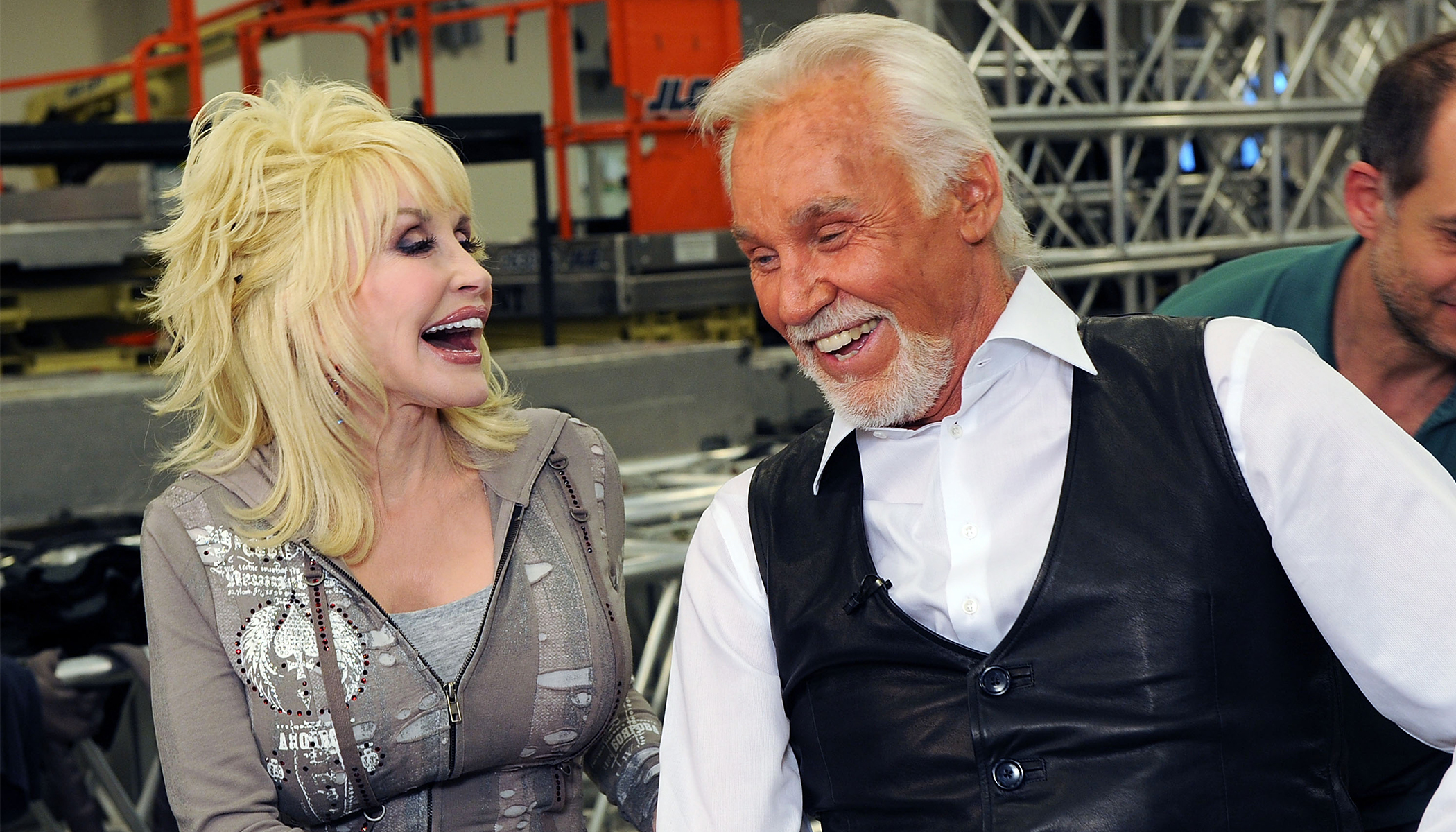 Dolly Parton and Kenny Rogers. (Rick Diamond/Getty Images)
Parton became one of the earliest country stars to cross over to the pop genre.
Her song for the 1980 movie “9 to 5,” in which she costarred with Jane Fonda and Lily Tomlin, struck a chord with working women and broadened her appeal and fame.
“Islands in the Stream,” her 1983 duet with music legend Kenny Rogers, became another crossover success, hitting No. 1 on the Billboard Hot 100.
Big Hair, Bigger Business
Outside of music, she branched out into different business and philanthropic ventures.
In 1986, she opened a theme park in Pigeon Forge, Tennessee, near her birthplace and named it after herself. Dollywood attracts more than 3 million guests annually, even as others struggle to keep their doors open today.
Thomas called it a testament to her business acumen, because they aren’t easy to operate.
“Who in the world builds a theme park? Who does that? We have a theme park here in San Jose that’s getting ready to get torn down, right?” he asked.
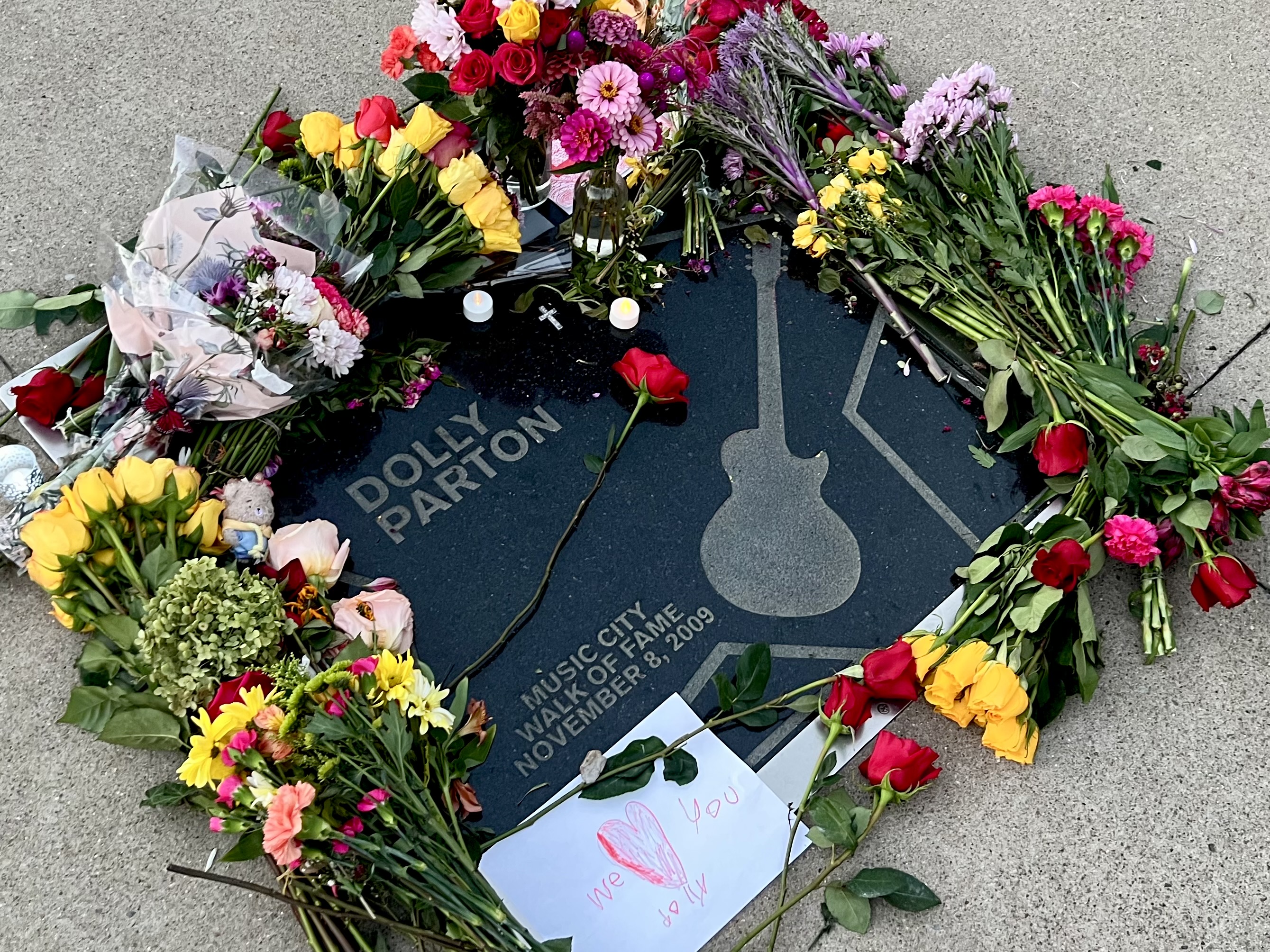 Fans bring bouquets and cards to Dolly Parton’s star on the Music City Walk of Fame in Nashville, on Aug. 25, 2026. (Jacki Thrapp/The Epoch Times)
Her father had no money, so he paid the doctor with a sack of cornmeal, according to Forbes. It was the mountain way back then.
In 1995, Parton started the Imagination Library to boost education in one Tennessee county in honor of her own father, who never learned to read or write.
It now sends books nationwide and beyond, and the library has given more than 300 million books to children younger than 5.
Parton herself never had children during her 59-year marriage to Carl Thomas Dean, who died in March 2025, but she was surrounded by a multitude of nieces and nephews, whom she lavished with new cars and college educations.
Parton said in more than one interview that she felt that it was part of God’s plan for her, “so everybody’s kids” could be hers.
One of those nephews, Bryan Seaver, released a video statement as a representative of Parton’s family on the day she died.
“Dolly has lived in the light and is in the arms of Jesus, surely met by Carl, her parents, and countless others who have watched her and longed for her to meet them in the heavens,” Seaver said.
The queen of country music who dazzled countless viewers on TV, whose voice spoke truth to so many hearts over the radio, told her nephew that she wanted to rest on a bed of cotton.
Finally, she could be free from the weight of all those rhinestones.
 Friends Read Free
Copy
Facebook
Tweet
Friends Read Free
Copy
Facebook
Tweet