
The Environmental Protection Agency (EPA) on Jan. 13 proposed narrowing states’ and Native American tribes’ use of the Clean Water Act to block or impede projects such as natural gas pipelines, a step the agency said will speed up permitting for infrastructure vital to energy production and technological growth.
The proposed regulation would revise a 2023 policy from the Biden administration that broadened local oversight under Section 401 of the act.
That section requires states or tribes to certify that federal projects, such as natural gas pipelines and hydroelectric dams, comply with water quality standards before proceeding. The rule, finalized in 2023, empowered states and tribes to conduct comprehensive assessments, considering factors such as sediment runoff and chemical spills that might indirectly harm water bodies.
That expansion followed a narrower policy from President Donald Trump’s first term, which set firm deadlines for certifications and limited the grounds for objections. The Biden adjustments aimed to restore flexibility, but they were partially curtailed in August 2023 after a Supreme Court decision in Sackett v. EPA restricted federal authority over certain wetlands.
Under the proposed new approach, reviews would be confined to assessing direct pollutant discharges into waters under federal jurisdiction, rather than allowing broader examinations of a project’s overall environmental footprint.
This shift, agency officials said, would impose stricter timelines and uniform procedures to avoid prolonged delays or denials driven by factors beyond core water concerns.
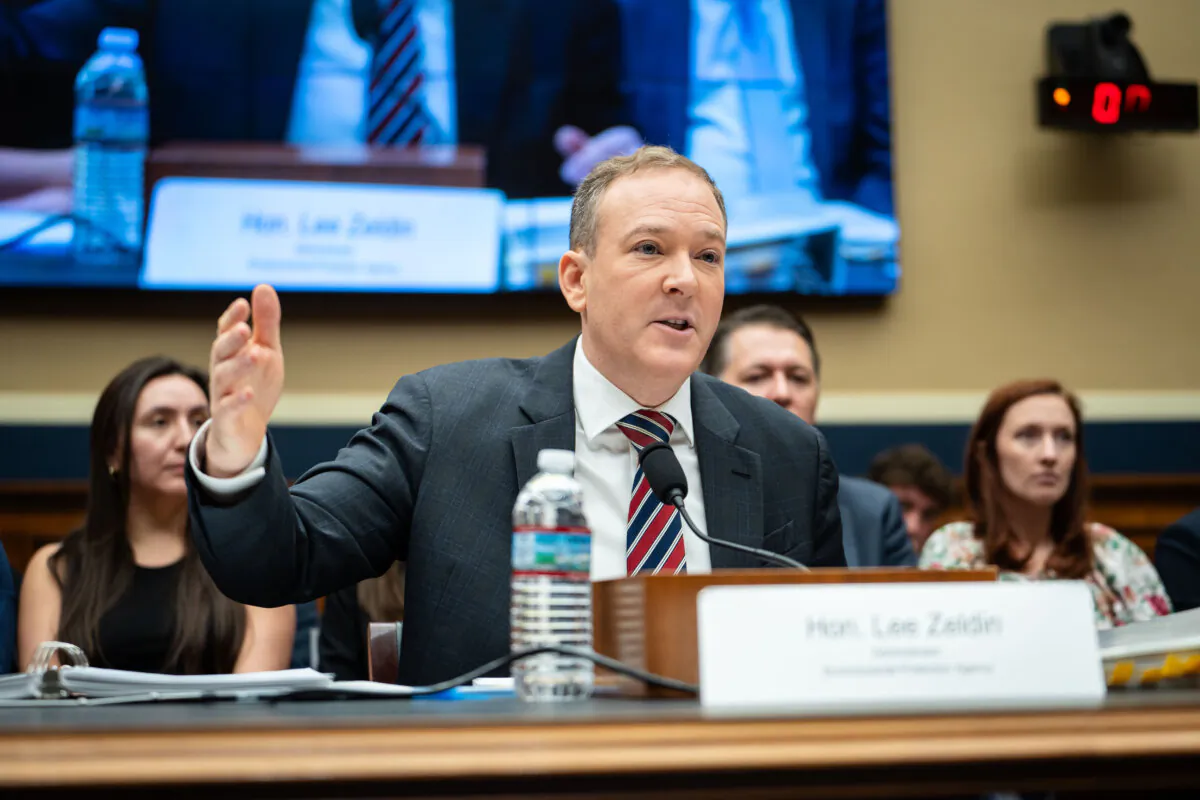
EPA Administrator Lee Zeldin described the existing framework as inefficient and prone to misuse.
“Today’s proposal restores the Clean Water Act to its intended purpose, protecting America’s water quality and ending the weaponization of the law that has been obstructing infrastructure and energy projects vital to our nation’s economy,” Zeldin said in a statement.
“By returning Section 401 to its clear statutory boundaries, we’re strengthening the role of state and tribal partners while ensuring environmental protections are implemented lawfully, efficiently, and consistent with congressional intent.”
The initiative aligns with Trump’s broader goals of prioritizing economic growth through energy and emerging technologies. Trump signed a January 2025 executive order to promote energy and encourage energy exploration and production on federal lands with the goal of making the United States a “global energy leader.”
Past disputes under Section 401 have included New York’s 2017 rejection of a natural gas pipeline permit, citing inadequate safeguards for local streams and wetlands. Similar actions by states have sometimes forced redesigns or cancellations.
Environmental advocates condemned the new EPA proposal, warning that it could erode protections against pollution and habitat disruption. Cathy Collentine, a director with Sierra Club’s Beyond Dirty Fuels campaign, said the proposed changes would be dangerous if enacted.
“Undercutting state and tribal authority to evaluate and regulate the impacts of fossil fuel infrastructure projects that would threaten our clean water supply is dangerous on so many levels,” Collentine said in a Jan. 13 statement.
“Instead of taking off the guardrails for oil and gas companies, we should be prioritizing clean, affordable energy projects, like wind and solar, that are ready and waiting to power the country and bring down the cost of energy.”
Jess Kramer, EPA assistant administrator for water, told reporters that the proposed rule would ensure that Section 401 is “not weaponized by states to shut down projects for political purposes.”
Publication of the proposed rule in the Federal Register opened a public comment period that closes on Feb. 17. A virtual public meeting on the proposed rule will be held on Jan. 28, according to the EPA’s website.
Reuters and The Associated Press contributed to this report.
 Friends Read Free
Copy
Facebook
Tweet
Friends Read Free
Copy
Facebook
Tweet