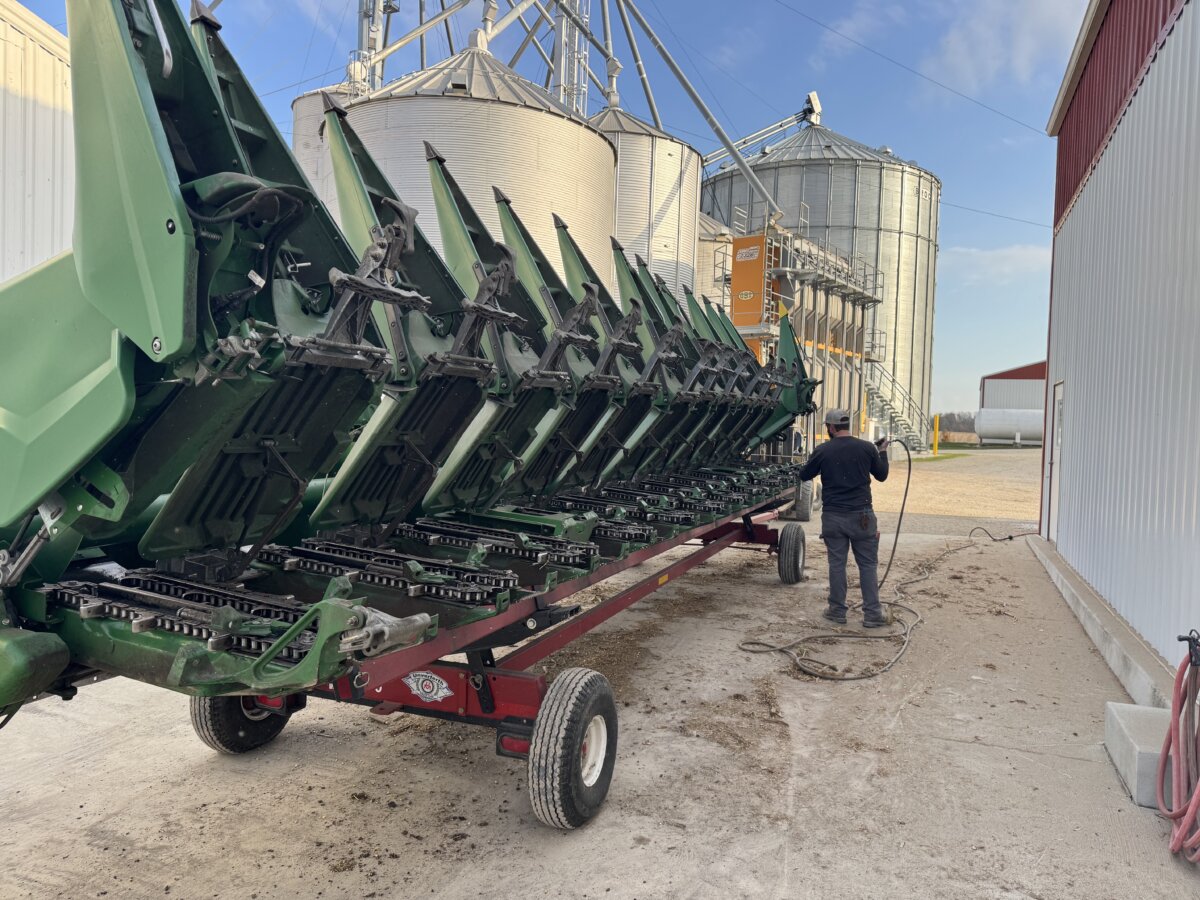

Row crop farmers in the Midwest say the Trump adminstration’s $12 billion assistance program is already providing relief for their stressed budgets, but things need to change if they hope to see a real turnaround.
With farmers under pressure from high input costs, record-low crop prices, and ongoing trade market disruptions, President Donald Trump in December announced a bridge payment program through the USDA Farmer Bridge Assistance (FBA) Program to expedite funds to America’s producers.
In the past two weeks, that money has arrived.
“They promised we’d have it by the twenty-eighth of February, but it came today,” Dennis Carnahan, a sixth-generation row crop farmer from Indiana, told The Epoch Times on Monday. “I think that’s pretty timely for government bureaucrats.”
Carnahan, who grows soybeans, corn, and soft red winter wheat in a farming business started by his parents in 1937, said the cost of seed, fertilizer, and equipment skyrocketed during the pandemic years, and has remained high.
“Because of the cost squeeze that we’re under, this administration instituted what they call ‘a bridge payment’ to get us through to hopefully better times when we can develop better markets for our products,” he said. “It won’t cure every ill that we have, but it will be a definite help.”
The one-time payment aims to shore up farmers like Carnahan until investments kick in from the One Big Beautiful Bill Act, including increased reference prices for crop commodities.
Those prices are set to increase between 10 percent and 21 percent for corn, wheat, soybeans, and other crops.
The Carnahan & Sons family farm, located in Knox County, Indiana, stands at about 4,000 acres. Dennis Carnahan farms the land with his son, John Carnahan, and his great nephew, Brandon Knight.
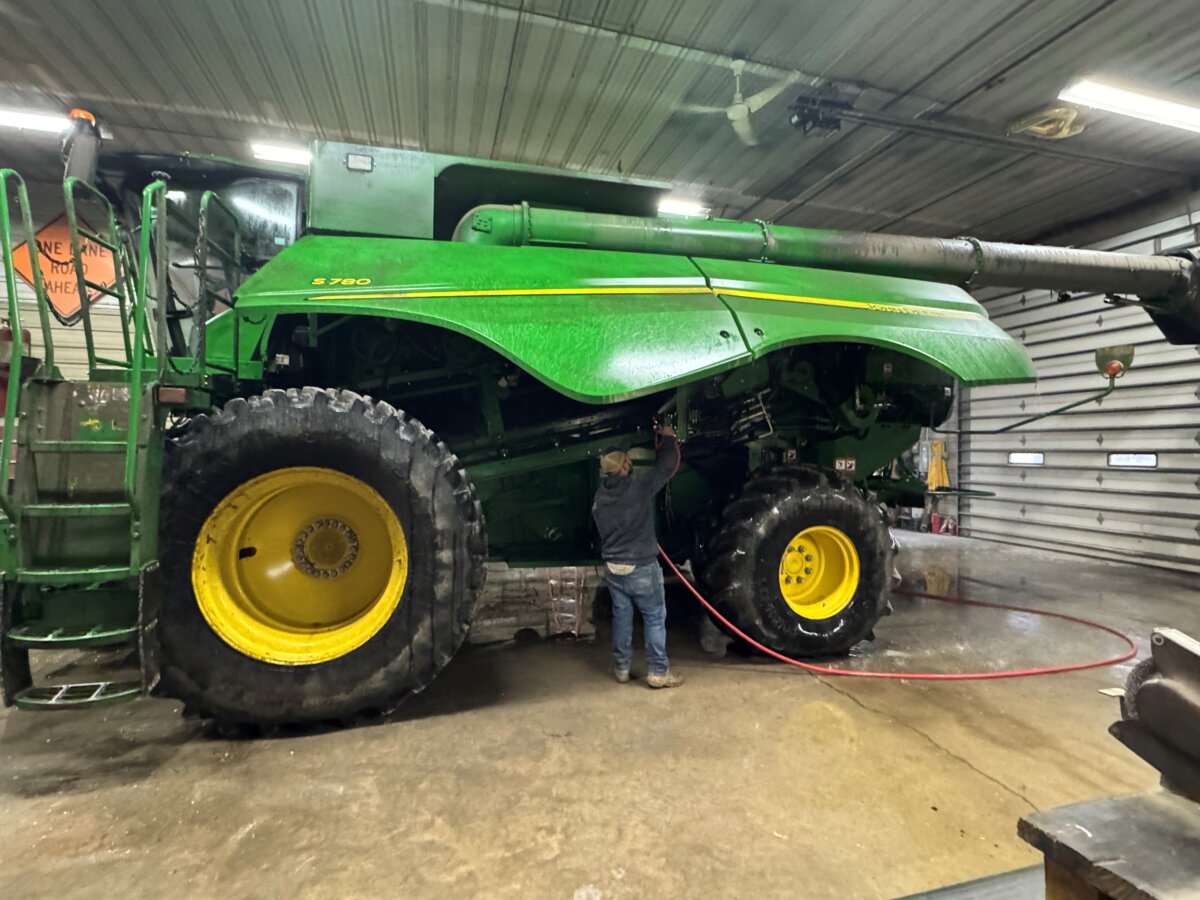
Carnahan applied for the funds in mid-February, and said he’s already using the money to pay for seed and fertilizer. It also will help with a debt restructuring on machines and land that will reduce his farm’s per-bushel costs for 2026.
Agriculture Secretary Booke Rollins said on March 13 that the administration is working with Congress on a plan to help farmers afford fertilizer amid escalating costs due to the Iran war.
Assistance Reaches Ohio
Adam Smith, a row crop farmer living in Hamilton, Ohio, said he also received bridge payment money in recent weeks.
“We heard about it back when they announced [in December], and we were waiting, and in the last two weeks or so it became available,” he told The Epoch Times. “We all signed up and payments have been made. So it was a big help, that’s for sure.”
Smith, 52, grew up on a family farm in Indiana that traces back to the 1800s. After graduating from Purdue University, he saw a wanted ad in a local farm newspaper and began working for a farmer near Cincinnati, Ohio.
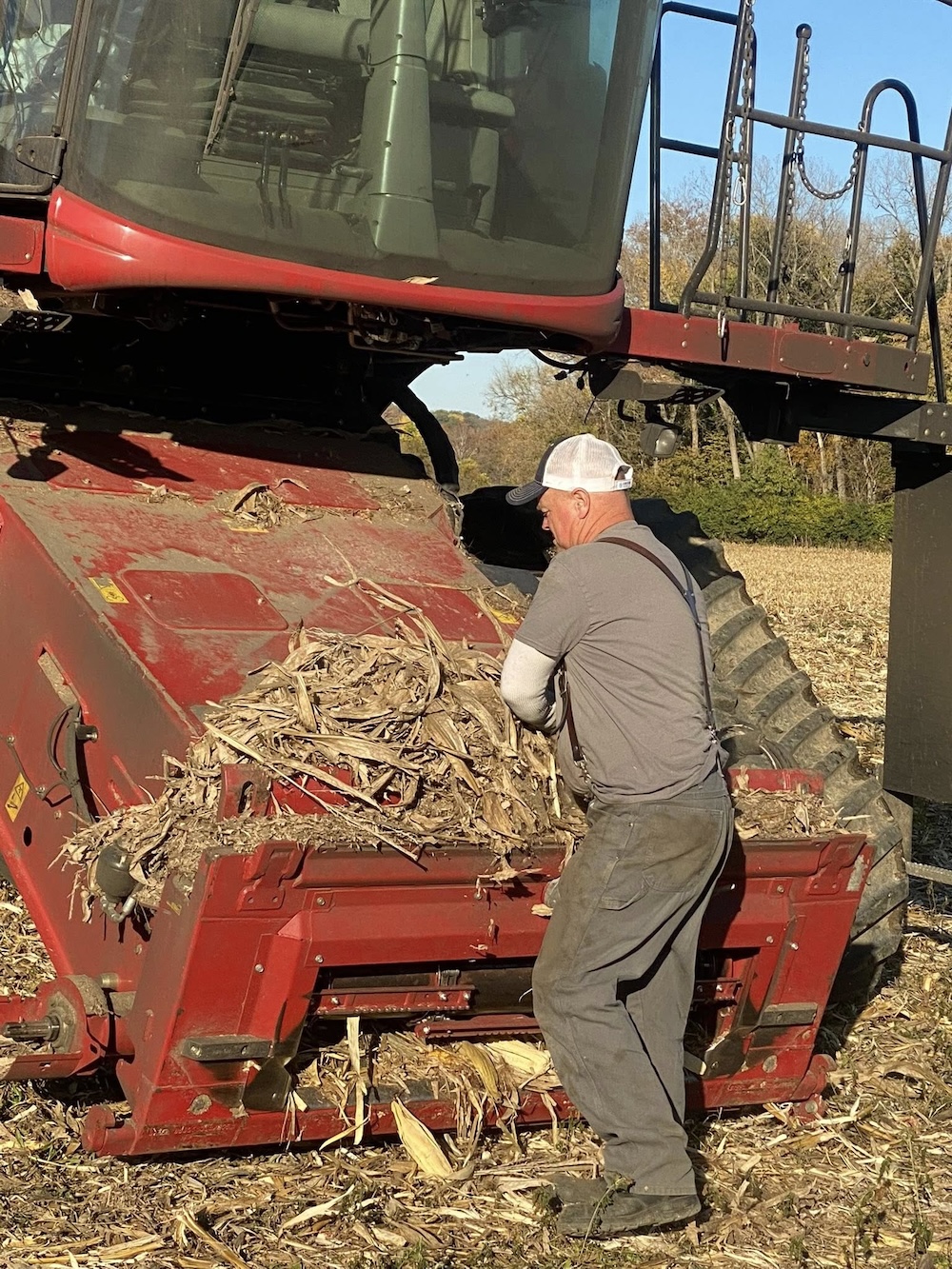
He eventually took over the farmer’s business, launching Adam Smith Family Farms in 1998. Today, Smith rotates between soybeans and corn each year across 1,300 acres.
Like Carnahan & Sons, the Adam Smith Family Farms saw input costs and interest rates soar during the pandemic. Those costs remain high, while crop prices have remained low.
“When we started [in 1998], it was cyclical—up and down. But for the last five years, I feel like the input prices have continually gone up, and the commodity prices that we’re selling the product for have not kept up,” he said.
The farm has faced other challenges. Bad weather over the past few years led to late planting in spring and extremely dry summers, resulting in below-average yields.
Smith said his farm is using the federal funds to pay off some of last year’s bills and to help fund the coming year.
“Did it solve the problem? Did it completely fill the void? Probably not, but it was definitely helpful and beneficial,” he said. “The cost of doing business is horrendous, and we’ve had a couple years where we’ve had some pretty low prices.”
America’s Farm Policy
While small farmers are relieved to get one-time aid in a pinch, most say the bigger problem is government policy.
To address policy issues, the Ohio Farm Bureau (OFB) is calling for a new federal farm bill. The industry hasn’t seen comprehensive farm legislation since the Agriculture Improvement Act of 2018.
Last month, the OFB sent a letter to U.S. House Agriculture Committee Chairman Glenn Thompson (R-Pa.) warning of a “generational storm of challenges,” including not only ones mentioned by Carnahan and Smith, but also continued trade disputes, not enough access to credit for farmers, and millions of acres of farmland lost to other industries.
“Ohio farmers need a farm policy that reflects today’s economic realities and allows them to plan, invest and continue to grow for generations to come,” the letter stated.
Thompson introduced a bill to increase safety nets for farmers and reform conservation programs in February, and it has begun working its way through Congress.
A New Policy Change
According to Carnahan, the 2025 restructuring of the federal estate tax is one policy change that’s already helping his farm in a big way.

The estate tax–sometimes referred to as the “death tax”—deals with the transfer of property and money when the owner of an estate dies.
Due to the One Big Beautiful Bill Act, individuals can now transfer up to $15 million in assets to heirs without any federal estate tax liability. The exemption threshold is $30 million for married couples.
Estates valued above the exemption amount must pay the highest maximum tax rate—40 percent.
Robert Moore, an attorney and research specialist with The Ohio State University Agricultural and Resource Law Program, told The Epoch Times the estate tax is a big issue for farmers.
“So, as long as the farmer or anyone dies with a net worth of less than $15 million, they pay no federal estate tax,” he said. “And if it’s a married couple, they have $30 million combined.”
Estate taxes matter, he said, because farmland values have increased significantly over the past decade, potentially pushing more farm families over the exemption threshold—which means they would pay the estate tax.
“When I started practicing law 20 years ago, the estate tax exemption—the threshold you have to go over to start paying estate taxes—was much lower. It was $1 million. And so, many farmers did pay estate taxes,” he said. “But the estate tax exemption has steadily gone up federally to where now USDA statistics say less than 1 percent of all farm estates pay estate taxes.”
The problem, Moore added, is that property value increases are “basically on paper until you sell the land,” and few farmers sell their land.
At 73, Carnahan is making plans to pass down his farm’s assets to his middle son, John Carnahan. He called the hike in the estate tax exemption threshold “very helpful.”
“If those were reduced, why that would be a world of hurt,” he said.
“Farmers are notorious for having a lot of assets and no cash. [Our land is valued] anywhere from $10,000 to $14,000 an acre. … I think the exemption to let you pass that on is big enough that we can do that under the current system.
“But if that [exemption threshold] was, say, $1 million or $2 million, then we’d have a huge tax liability at our death. And we probably would have to sell a chunk of the land to pay those taxes. And the heirs would suffer because of that.”
 Friends Read Free
Copy
Facebook
Tweet
Friends Read Free
Copy
Facebook
Tweet