
U.S. regulators have released plans to relax capital requirements for the country’s largest banks, a move that could unlock billions in lending.
Wall Street’s biggest lenders could face lighter capital requirements under proposals released by the Federal Reserve and other U.S. regulators on March 19, a rollback of post-2008 banking rules.
The plan, backed by the Federal Reserve, the Federal Deposit Insurance Corporation, and the Office of the Comptroller of the Currency, would “streamline capital requirements and better align regulatory capital with risk while maintaining the safety and soundness of the banking system,” the Fed said in a statement.
At the heart of the proposal is a reduction in the capital that major banks must hold to absorb potential losses. According to the Fed, capital levels at the largest U.S. banks would fall by around 4.8 percent under the new framework.
This could free up tens of billions of dollars currently locked on balance sheets, allowing banks to expand lending, increase dividends, and boost share buybacks.
The overhaul follows years of lobbying by major financial institutions seeking relief from rules introduced after the 2008 global financial crisis as part of a revised “Basel III Endgame” proposal.
According to a 2024 report by The Brookings Institution think tank, Basel III is a set of measures in the years following the global financial crisis of 2007–2009.
“The measures, rolled out over several years, aim to strengthen the regulation, supervision, and risk management of banks,” it said.
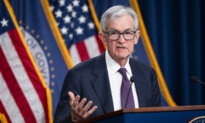
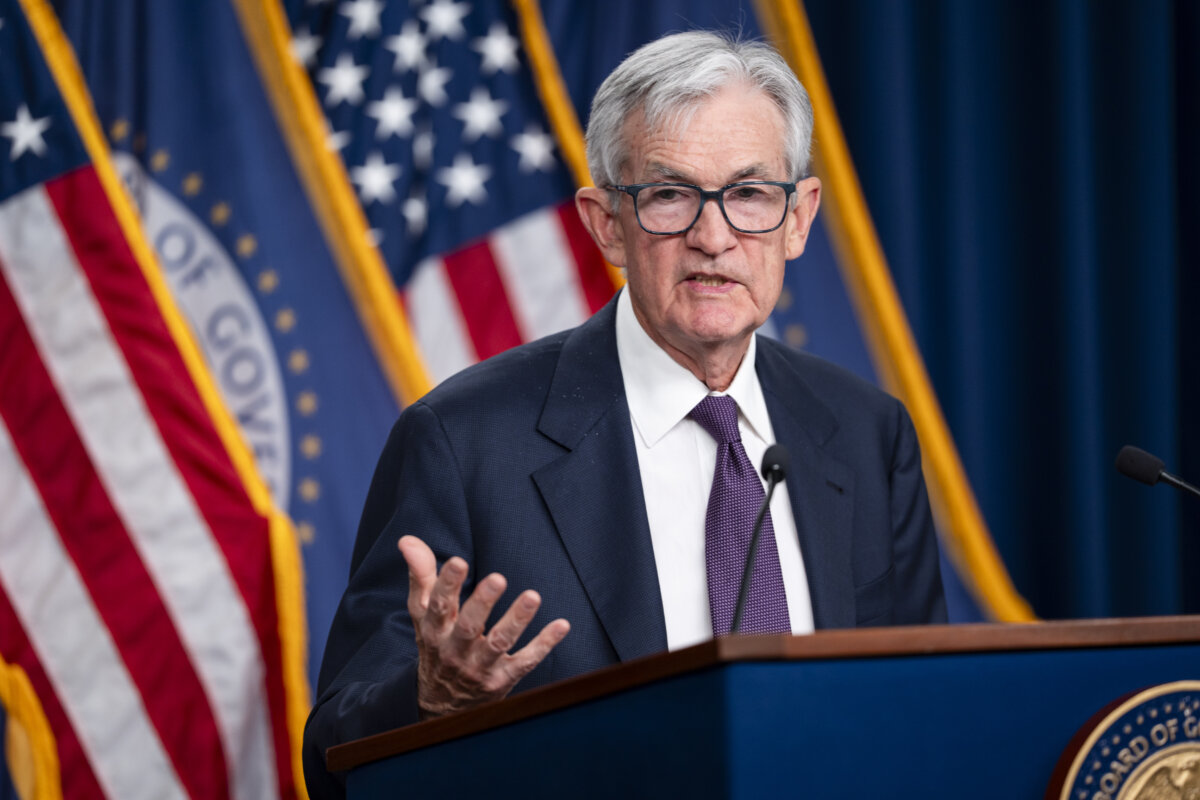
Federal Reserve Chair Jerome Powell said the post-crisis reforms had significantly strengthened the banking system, but said that a recalibration may now be appropriate.
“In the wake of the global financial crisis, regulators, including the Fed, increased the quantity and quality of loss-absorbing capital required of banks, including through stress testing requirements and an additional surcharge for the largest and most complex banks,” Powell said.
“This action substantially increased the banking system’s resilience,” he said.
“However, it has been almost two decades since the crisis, and over the years we have come to understand that certain elements of the post-crisis regulatory regime may warrant recalibration,” he added.
Officials aligned with President Donald Trump’s regulatory agenda said the changes will support economic growth by improving credit availability.
“I have long said that overly complicated capital rules can slow economic growth without making our financial system safer. This proposal is a step in the right direction,” Senate Banking Committee Chairman Tim Scott said in a statement on March 19.
“By unlocking capital in a responsible way, President Trump is helping to grow the American economy and expand access to credit,” he added.
Industry groups welcomed the proposals, though with caution.
Scott O’Malia, chief executive of the International Swaps and Derivatives Association, said the changes marked a notable improvement on earlier drafts but said that key details would determine their ultimate impact.
“First impressions are that this is a significant improvement on the previous proposal,” he said. “But the devil is in the details.”
Moody’s said that falling capital could be “credit negative” for banks.
“Given the variation in business models and balance sheet mixtures among U.S. banks, the impact will likely vary significantly by bank,” it said.
Senator Elizabeth Warren (D–Mass.) said the move represented a victory for Wall Street after years of lobbying to weaken safeguards.
“After a multi-year lobbying assault to gut modest safeguards on Wall Street risk-taking, big banks can now declare mission accomplished,” she said.
Warren said the changes could encourage banks to fund “risky trading and other activities with reckless amounts of debt, further slashing loss-absorbing capital cushions by tens of billions of dollars.”
“It’ll mean bigger payouts for megabank shareholders and executives, less lending to small businesses and families, and a banking system even more prone to devastating crashes and taxpayer bailouts,” she said.
Reuters contributed to this report.
 Friends Read Free
Copy
Facebook
Tweet
Friends Read Free
Copy
Facebook
Tweet