
A third person in Florida has died from a rare type of “flesh-eating” bacteria that is found in Gulf waters, bringing the total to eight confirmed U.S. deaths so far in 2026, officials said.
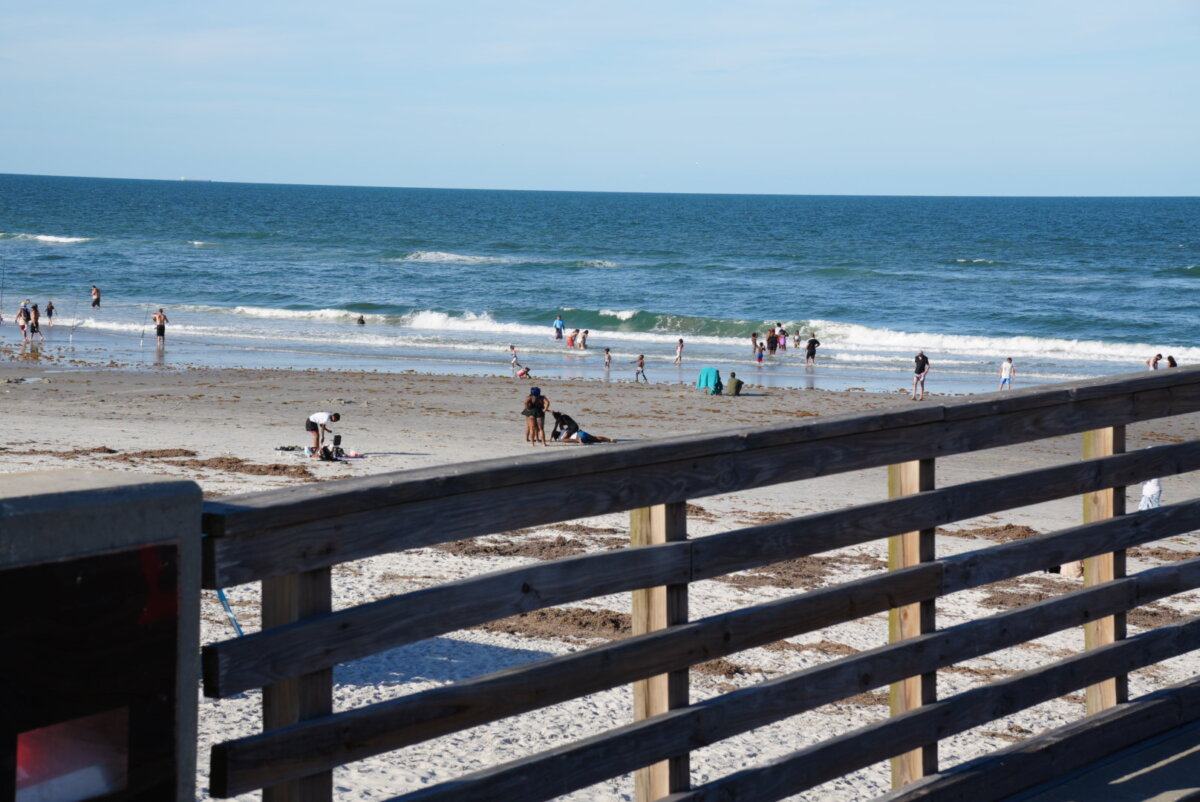
An update posted to the Florida Department of Health’s website shows that a third person died from Vibrio vulnificus, a bacterium that is found in warm ocean or brackish water, which is when seawater mixes with fresh water. It’s also found in raw shellfish, particularly oysters.
Seventeen cases of the bacterial infection have been reported so far in Florida this year, according to the health department in an update posted on Wednesday. The second Vibrio vulnificus-related death in the state was reported earlier in August.
In Louisiana, five people have died in 2026, while 15 cases have been reported, officials said earlier this month. Of those cases, 14 were exposed to the bacteria through an open wound in seawater.
Health officials in Mississippi said in a news release on Aug. 10 that three Vibrio vulnficus infections have been reported this year in the state. No deaths have been reported.
Louisiana’s health department says on its website that the bacteria can cause illness “when an open wound is exposed to coastal waters or when a person eats raw or undercooked seafood,” namely oysters, while Vibrio vulnificus is sometimes called a “flesh-eating bacteria” because it can cause severe infections.
Authorities say that people with open wounds, such as cuts or scrapes, should stay out of brackish or salt water or cover the wound with a waterproof bandage. They are also advised to wash their wounds and cuts thoroughly with soap and water if they were exposed to raw seafood, raw seafood juices, or brackish or salt water.
“Seek medical care immediately if a wound exposed to brackish or salt water becomes red, swollen, painful, warm, or discolored,” Louisiana health officials said in a news release earlier in August. “Tell the health care provider about the water exposure.”
Vibrio vulnificus can also enter the body through recent piercings and tattoos, as well as recent surgical incisions. People should see a doctor if they start to develop symptoms such as fever, chills, and hot red areas on the skin that start to turn dark and blister, the Centers for Disease Control and Prevention has said.
“If you are at increased risk for infection, wear clothes and shoes that protect you from cuts and scrapes when in coastal waters,” the CDC also said.
People who have a higher risk include those with certain health conditions such as diabetes, cancer, HIV, liver disease, kidney disease, or people with weakened immune systems, CDC officials said.
Described as a “flesh-eating bacteria” in media reports, the bacteria can cause gastrointestinal symptoms as well as septic shock and necrotizing fasciitis—a quickly spreading infection that can destroy tissue, the CDC also says.
Severe infections might require limb amputation, it warns. Around one in five people with the infection die, sometimes within just one or two days after being exposed to the bacteria, the agency also says.
 Friends Read Free
Copy
Facebook
Tweet
Friends Read Free
Copy
Facebook
Tweet