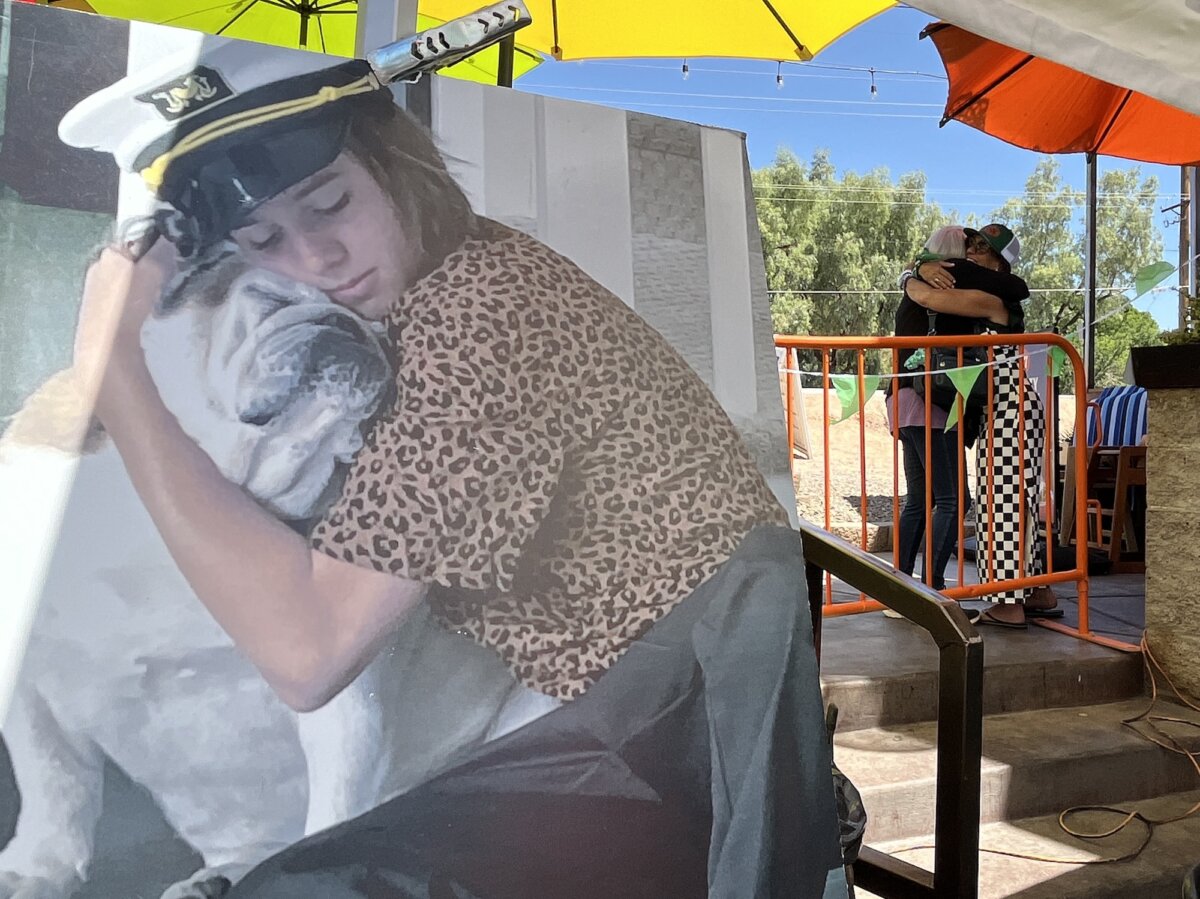

PHOENIX—Before his death, 16-year-old Cade Keller said in three Instagram videos that he intended to take his own life, his family says.
The message was not hidden. It was not implied. It was stated directly—and still, it passed without the kind of urgency that might have changed what came next.
No intervention followed in time, no call that reached him before the moment had already closed in—only the aftermath, and the painful hindsight of knowing that the signs were there, but not acted on.
On the morning of March 12, 2022, Cade died by suicide.
He left behind two parents in grief and a lingering question they cannot escape: What might have happened if someone had responded differently, sooner?
A dozen people on social media knew. Nobody believed that Cade was serious about killing himself, his mother, Megan Keller, said during an April 18 fundraiser in her son’s memory in Phoenix.
“They said, ‘That’s the language we use—that’s the language that our youth is using,’” she said.
Cade would have been 21 this month.
A mother’s loss. A young life of promise cut short. Keller said there is nothing left to do but carry on—and keep her son’s memory alive.
She said that moving forward is the hardest part but that she is grateful for support behind a new state law that would make it a crime for any adult to advise or encourage suicide on social media.

On April 13, Arizona Gov. Katie Hobbs signed Cade’s Law: If You See Something, Say Something into law.
“I think one of the things that we’ve learned through this unfortunate journey is there’s a lot of organizations that don’t even want to say the word ‘suicide,’” Keller said.
“They think just saying the word is going to put that thought into someone’s head.”
She said Cade’s Law is meant to confront a reality often overlooked: Suicide can be influenced, amplified, or encouraged through social media.
The word “suicide” cannot be politely avoided, she said.
“We’re using that word and holding people accountable and saying suicide is front and center,” she said. “We are taking this seriously.”
Her husband, Brian Cooper, told The Epoch Times that people often recoil at the word suicide—it hits too hard, he said, carrying a stigma few want to bear.
“How many people do we know that passed away, but their family said it was a heart attack, or they came up with a different excuse, when in actuality it was suicide?” Cooper asked.
“They just didn’t want that stigma. We’re trying to erase that with this law and by holding people accountable.”
The new law, House Bill 2665, gives prosecutors authority to charge adults who use targeted online messages to influence a minor to die by suicide, knowing that the minor intends to do so.
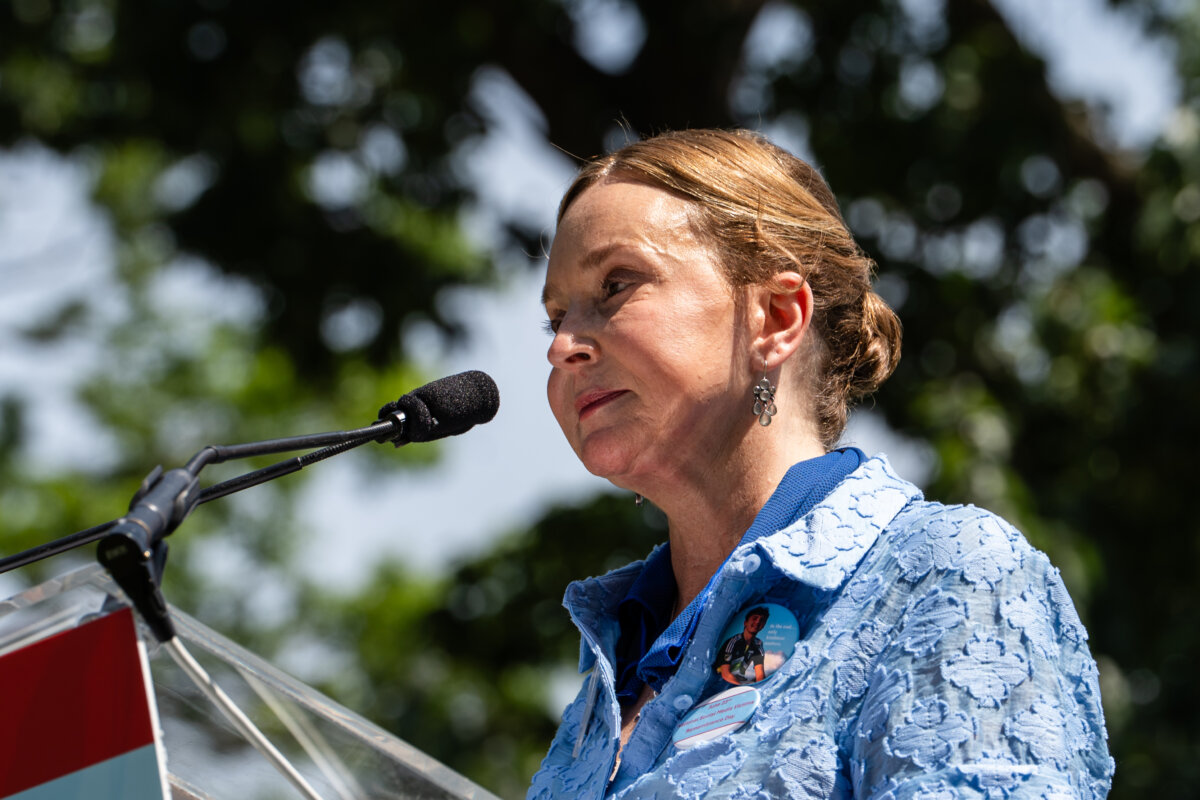
“Teen suicide is a crisis, and we cannot ignore it,” said state Rep. Pamela Carter, a Republican and the bill’s sponsor, in a statement.
“Cade posted online that he planned to take his life. People saw it. No one called 911. No one got an adult. Cade died. That is the nightmare every parent fears, and it is happening to too many families.”
Arizona law already criminalized providing the means for someone to die by suicide.
Cade’s Law closes a gap, Carter said, extending liability to adults who use words—through direct messages, posts, or other targeted content—to influence a specific minor.
It applies to communication clearly aimed at, or reasonably understood as directed to, the minor who dies by suicide, including content that names or tags them.
“People at the highest levels are taking this seriously—we are putting suicide front and center,” Keller told The Epoch Times.
The Impact of Social Media
Keller said teen suicide can be prevented by confronting the “beast” of social media.
“Social media can be used as a way—staying in context for our youth—to communicate happiness, joy, ideas, and even goodbye—just like [Cade] did,” she said.
“We really needed to get some boundaries on the beast of social media. Because these laws were made when social media did not exist. Certainly in Arizona, this sets clear boundaries.”
According to the Social Media Victims Law Center, citing Centers for Disease Control and Prevention data, roughly 46,000 people died by suicide in the United States in 2020.

The site reports a national rate of about 14 deaths per 100,000 people. For ages 10 to 24, the rate is 10.7 per 100,000, making suicide the second-leading cause of death in that age group.
It notes that although social media can be used to facilitate suicide, it can also serve as a tool for prevention. And with smartphones now common among children and teens, constant connection is easier than ever.
One Ohio study posted in February 2021 on the National Library of Medicine’s PubMed Central describes the extent of the problem.
Among participating students, 9 percent (876 of 9,733) reported suicidal thoughts and 4.9 percent (481) reported a suicide attempt during the cluster period.
In contrast, among those who posted cluster-related content on social media, 22.9 percent (267 of 1,167) reported suicidal ideation and 15 percent (175 of 1,167) reported an attempt.
However, a 2018 Pew Research Center report found that although social media exposes youth to downsides such as online drama, bullying, and social pressure, it helps teens stay in touch through messages, photos, and videos.
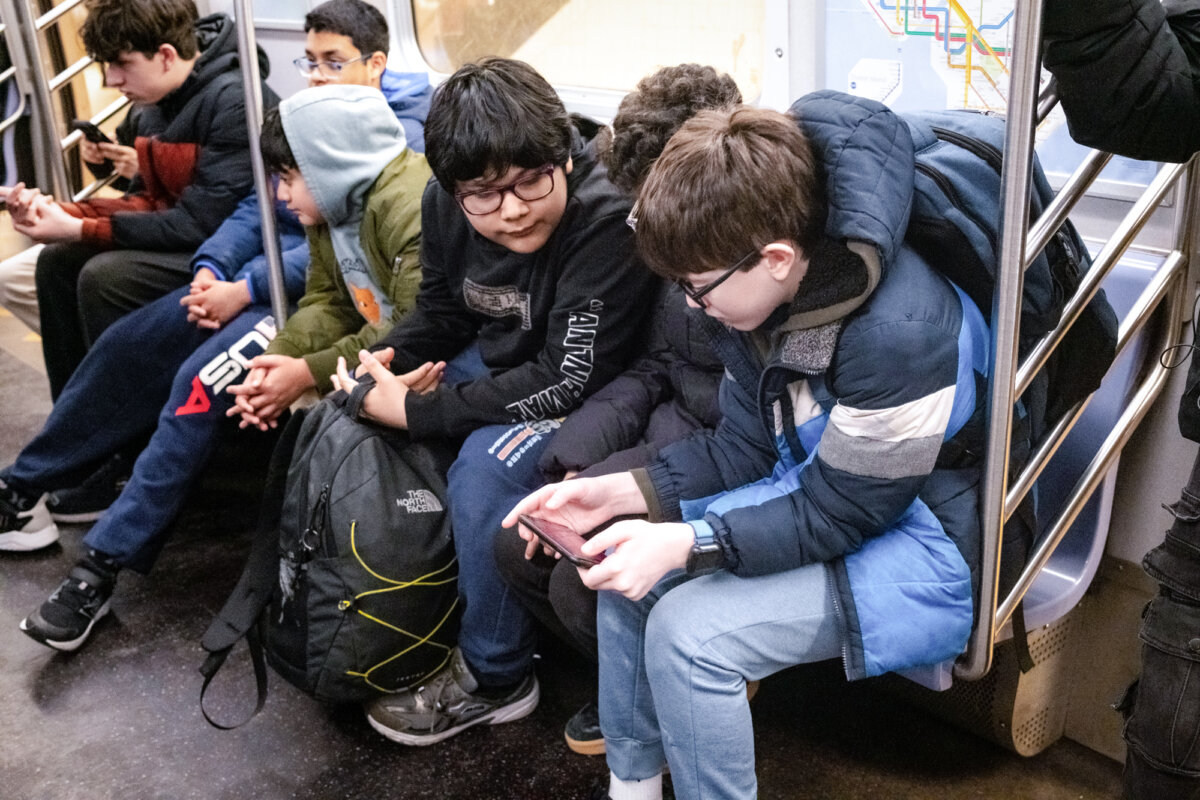
Keller said Cade’s Law is a first step toward addressing the downsides of social media.
She said she would also like to see legislation that would hold minors accountable—“not in a criminal offense, but if you are promoting suicide, you’ve got to be involved on social media to be on it.”
“If you are a minor promoting suicide, instead of convicting them, you lose your social media account,” she said.
After Cade’s death, Keller and Cooper created the Cade Keller Memorial Fund.
An April 18 fundraiser—Cade’s Day at Outrageous Homebrewer’s Social Outpost and Funky Frida’s in Phoenix—featured a cornhole tournament and awareness events, with proceeds benefiting the Cade Keller Scholarship Fund.
Keller said Cade was on an “amazing trajectory” as a 16-year-old student in the welding program at Mesa Community College.
“He was working through Uber Eats,” she said. “He was a contributor to our household. He was an Epicurean cook—an incredible cook. He loved his outdoor living and life.”
She also reflected on the pressures facing young people today, saying: “I think being a youth today is a very difficult thing. … We did not have cellphones, computers, social media.
“So to say that we understand our youth today—that is simply not the case.”
 Friends Read Free
Copy
Facebook
Tweet
Friends Read Free
Copy
Facebook
Tweet