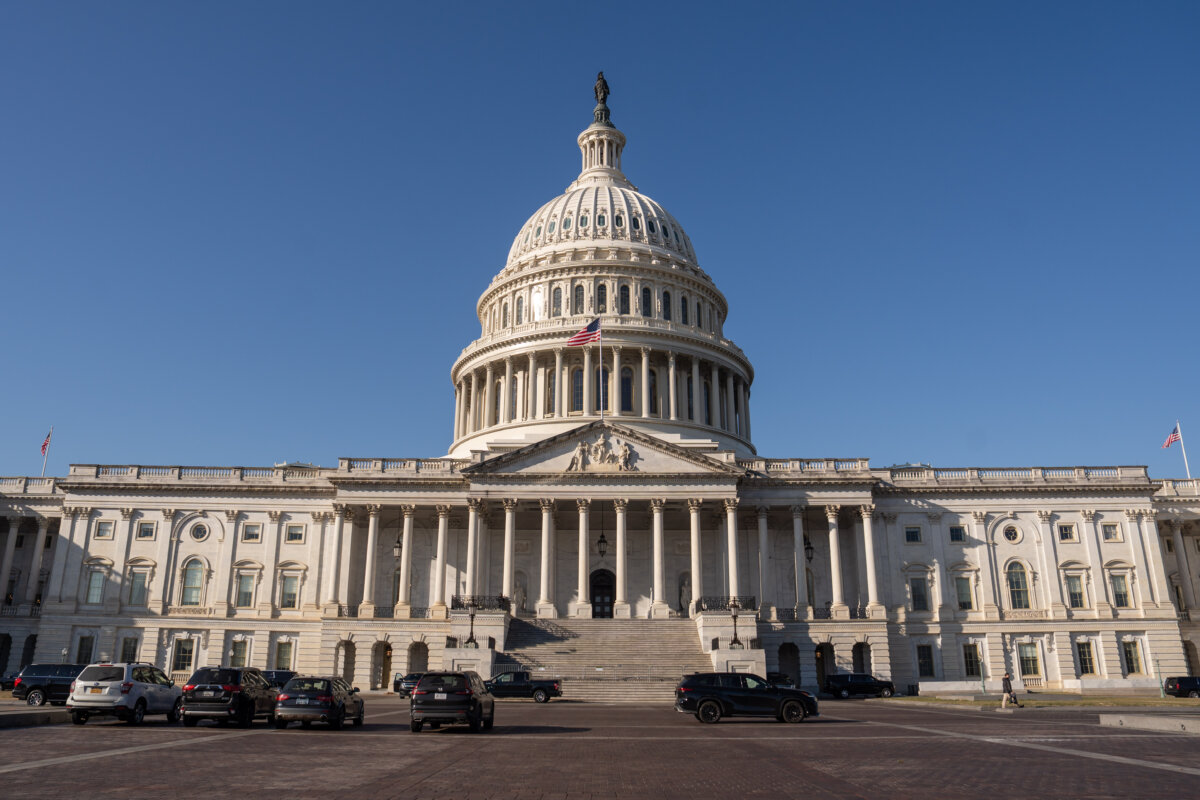

The Republican-led House passed a permit reform bill designed to trim environmental reviews and judicial timelines for the development of federal public lands in a 221–196 vote on Dec. 18.
The Standardizing Permitting and Expediting Economic Development (SPEED) Act, co-filed in July by House Natural Resources Committee Chair Rep. Bruce Westerman (R-Ark.) and Rep. Jared Golden (D-Maine), now moves to the Senate.
The SPEED Act legislation outlines significant changes to the 1969 National Environmental Policy Act (NEPA) by largely codifying a May 2025 Supreme Court ruling that restricted the scope of environmental studies and held that approved projects should not be required to conduct new NEPA-related reviews spurred by lawsuits.
Proponents say the bill will cut red tape, reduce litigation, limit the scope of environmental reviews, and provide certainty for investors by modernizing the 56-year-old NEPA.
Opponents argue that the SPEED Act bill weakens NEPA by restricting public input on projects that will affect local communities and prioritizes energy development—particularly oil and gas—paving the way for habitat destruction and unfettered pollution.
Prior to the Dec. 18 floor vote, the chamber rejected six proposed amendments as well as a motion by Rep. Susie Lee (R-Nev.) to return the measure to the House Committee on Natural Resources. The vote will be among the last to be cast in 2025 as Congress adjourns for Christmas break.
A concession extracted by Freedom Caucus Chair Rep. Andy Harris (R-Md.) and Rep. Jeff Van Drew (R-N.J.) allowed the bill to advance with little debate. The caucus objected to language in the bill that prevents a presidential administration from reversing an approved permit for a project.
President Donald Trump has temporarily halted offshore wind projects in New York and Rhode Island. His administration is seeking to revisit permitting for several other wind projects that have not broken ground.
In exchange for moving the measure to the Senate for debate in 2026, the bill specifically amends agency decisions made since Jan. 20, and the caucus was assured that it can negotiate with senators to further tweak language in the bill that makes it difficult for presidents to cancel permits for offshore wind energy projects.
NEPA was the first of several landmark environmental laws enacted by Congress during the Nixon administration, including the 1970 Clean Air Act, the 1972 Clean Water Act, and the 1973 Endangered Species Act.
Republicans and the nation’s energy industries have argued for years that NEPA and subsequent related legislation have morphed beyond their original intent to become regulatory and litigation quagmires that ensnare proposed development projects in lengthy, expensive court battles.
A 2024 Breakthrough Institute study reviewed 387 NEPA-related lawsuits from 2013–2022 and found “litigation overwhelmingly functions as a form of delay, as most cases take years before courts ultimately rule in favor of the defending federal agency” in 80 percent of cases.
The study determined that few regulatory or substantive environmental enhancements have resulted from legal challenges that, on average, took more than four years to resolve.
During the 2023–2024 Congress, 115 pieces of legislation were proposed to revamp NEPA, the Endangered Species Act, the Clean Water Act, and the Clean Air Act. None made it to a floor vote.

Restricts Review Scope
The SPEED Act bill incorporates the Supreme Court’s determination in May that NEPA “is a purely procedural statute that … imposes no substantive environmental obligations or restrictions.” As a result, agencies may only evaluate environmental impacts that “share a reasonably close causal relationship” to a project, the Supreme Court held.
The court ruled that federal reviewers didn’t need to redo an environmental impact study for Uinta Basin Railway’s proposed 88-mile railway extending from Utah oilfields to include a refinery’s downstream impacts, confirming that agencies have “substantial deference” to regard the railway and refinery as separate projects.
Under the SPEED Act, a lead agency can use earlier environmental reviews by other federal entities if the proposed project and its impacts are substantially the same as those previously analyzed.
The measure requires applicants be notified within 60 days if their proposed project or land use requires an environmental review.
If a review is required, the SPEED Act legislation imposes 21-day deadlines for lead agencies to identify all other agencies that will participate. Other agencies must accept or decline participation within seven days of that 21-day notice.
The bill adopts and amends NEPA reforms included in the 2023 Fiscal Responsibility Act (FRA), which gives agencies no more than two years to complete environmental impact statements and one year to complete environmental assessments.
While the 2023 law allows agencies to extend those timelines “in consultation” with applicants, the SPEED Act allows them to do so only if the applicant agrees. As with the FRA, the proposed measure requires that lead and cooperating agencies conduct reviews concurrently, not sequentially.
The SPEED Act requires that agencies issue a final decision no later than 30 days after completing a two-year limited study of a one-year limited assessment.
Caps Judicial Review
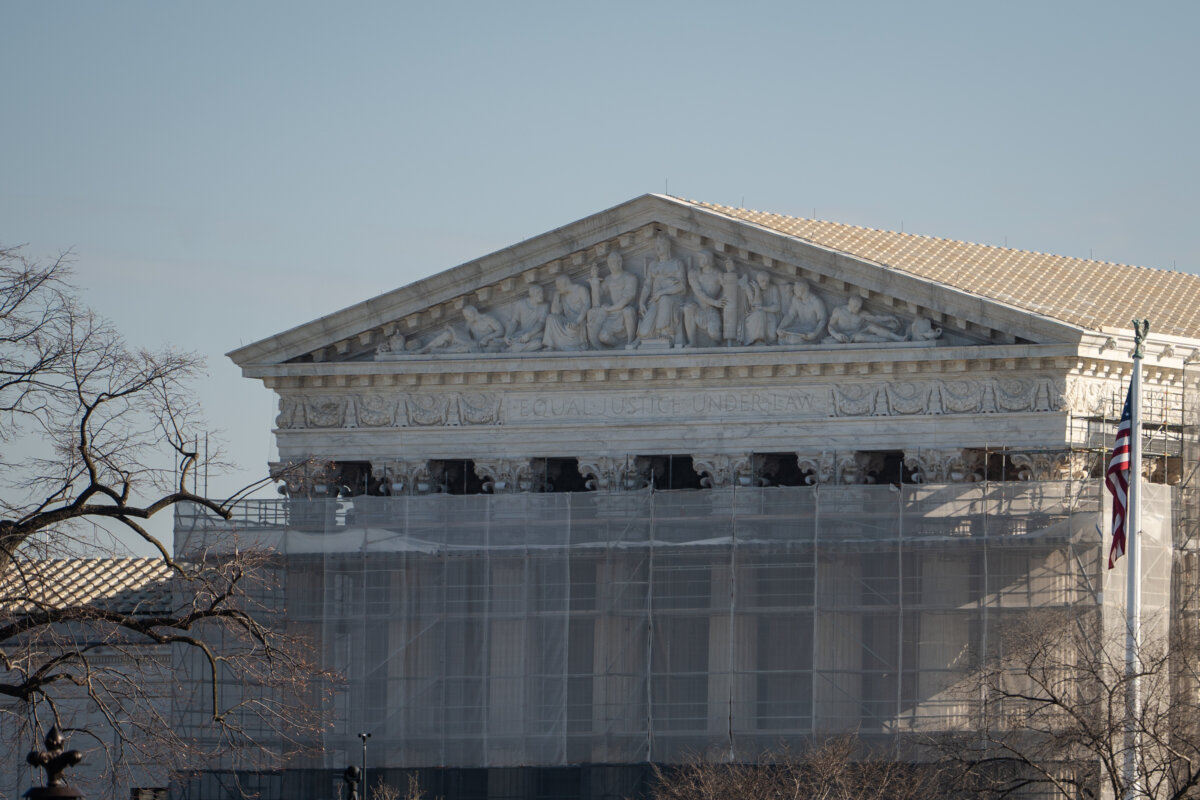
The SPEED Act establishes a new NEPA section that broadens judicial deference to agency actions, limits who can bring legal challenges, and imposes deadlines on courts to resolve procedural litigation from six years—two years for transportation projects—to 150 days.
Those judicial review timelines remain in effect for challenges brought under other federal laws, including the Clean Air Act, Clean Water Act, and Endangered Species Act.
The proposed measure establishes a 60-day deadline for agencies to provide courts with all documents and materials used in their determinations, and requires courts to issue a judgment within 180 days. Appeals must be filed within 60 days, and appellate courts must rule on the appeal within 180 days.
The SPEED Act also trims back who can file a NEPA-related lawsuit contesting an agency decision to those who submitted a “unique, substantive comment” during the public comment period demonstrating they would be directly and negatively affected.
 Friends Read Free
Copy
Facebook
Tweet
Friends Read Free
Copy
Facebook
Tweet