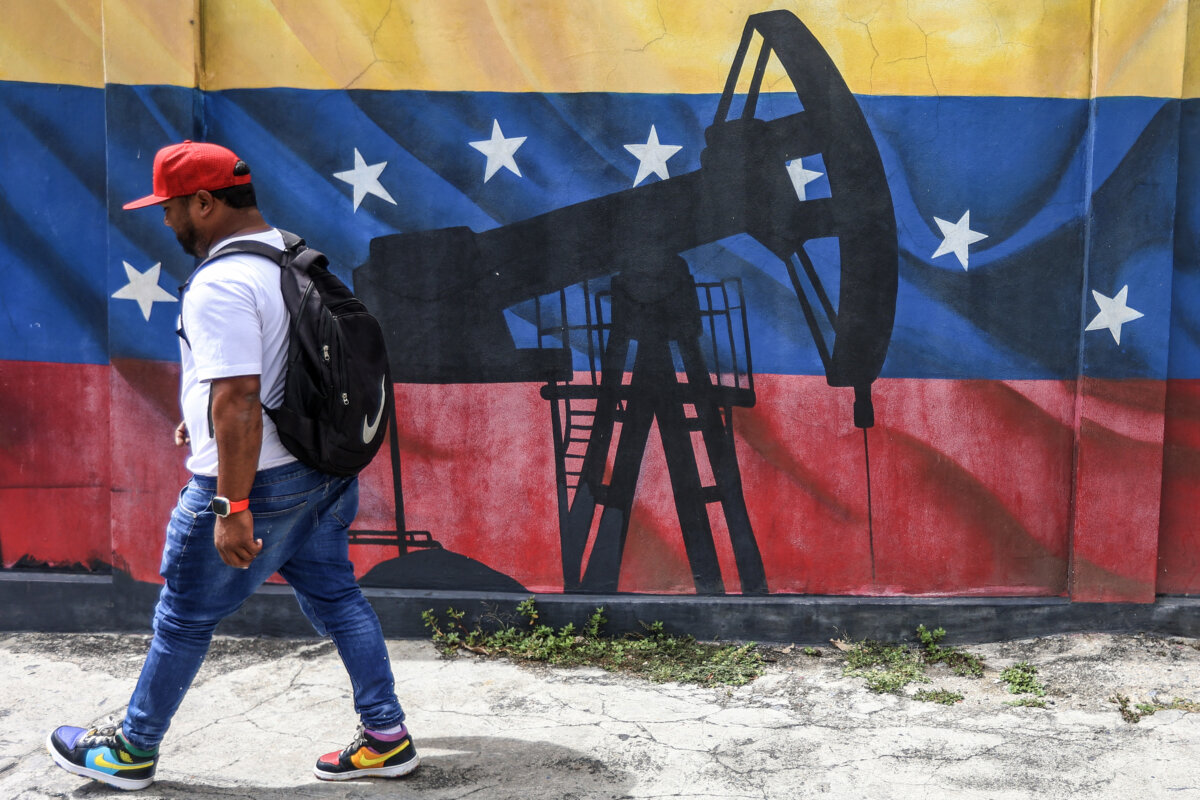

Venezuela is pumping more crude oil while Iran’s output is plummeting, the Organization of the Petroleum Exporting Countries (OPEC) said in a new report released on June 11.
Total OPEC crude production averaged 33.13 million barrels per day in May, down by 185,000 daily barrels from the previous month.
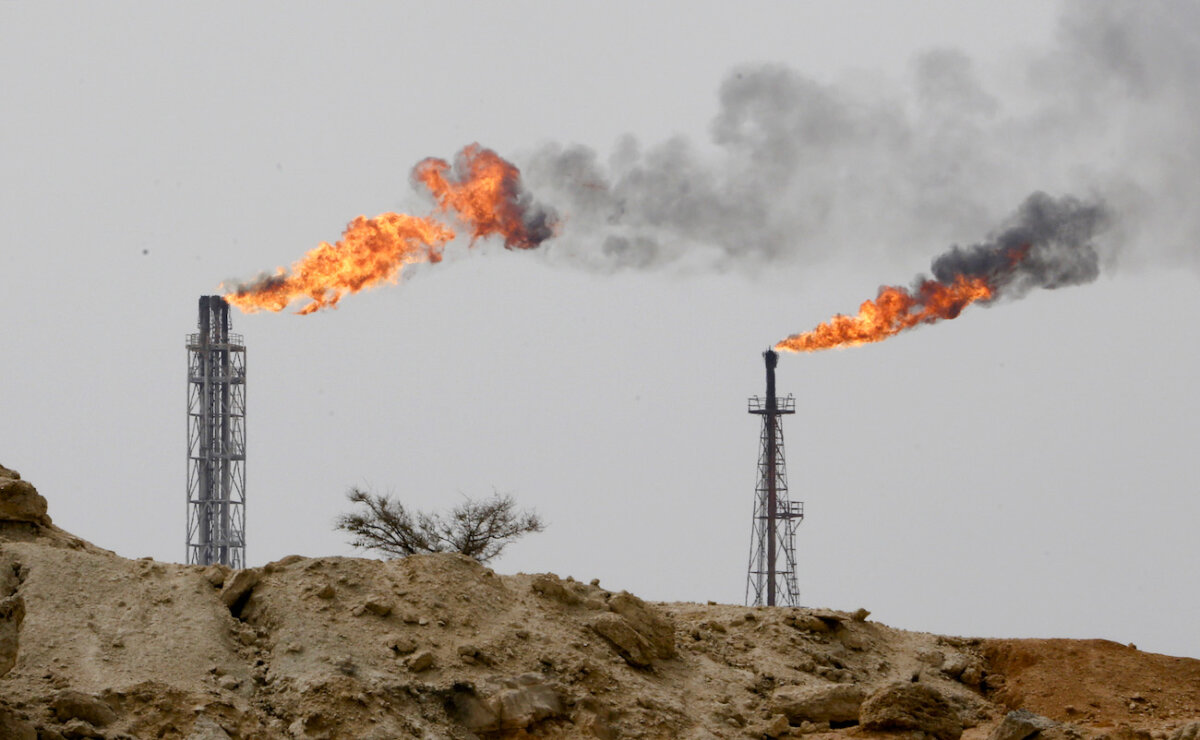
Iran was the primary contributor to last month’s sharp decline. The cartel reported that Iranian output fell by 19 percent, or 546,000 barrels, to 2.33 million. May’s tally is also down about 30 percent from last year.
U.S. President Donald Trump said in a June 11 Truth Social post that the United States would take over Iran’s oil and gas markets.
“At some point in the not too distant future, we will be taking Kharg Island, and other oil infrastructure points, and assume total control of their Oil and Gas Markets, much like we have with Venezuela, which is working out brilliantly for both Venezuela and the United States of America,” Trump said on his social media platform.
Kharg Island is Iran’s primary oil export hub, processing about 90 percent of its crude shipments. Its storage capacity is also approximately 30 million barrels.
Hours later, Trump called off the scheduled strikes.
Speaking to reporters at the White House, the president revealed that the United States removed “millions of barrels” of oil from Iran. The mission was not disclosed until he informed the press at the Oval Office.
“We’ve been taking out millions of barrels of oil. Nobody knows it,” Trump said. “We’ve been taking out millions of barrels of oil, millions of barrels every night.”
Meanwhile, OPEC data show that Venezuela is producing more crude, months after the U.S. military toppled Nicolás Maduro and his wife, Cilia Flores.
In May, Venezuela produced 1.07 million barrels per day, up more than 3 percent from the previous month, OPEC said in its Monthly Oil Market Report. This is also about 135,000 barrels per day, or 14 percent, higher than in 2025.
The United States has been a chief buyer of Venezuelan crude, importing about 558,000 barrels per day last month. India and Europe have also been large importers, taking in 427,000 and 169,000 barrels per day, respectively.
Caracas is estimated to have the world’s largest proven oil reserves, with approximately 300 billion barrels—or 20 percent of global supplies.
Other OPEC members to record sizable production gains in May were Iraq (75,000) and Kuwait (16,000). Libya and Nigeria lost 5,000 and 2,000 barrels of oil production per day, respectively.
Lower Demand Ahead
The 11-member group trimmed its forecast for global oil demand growth this year to 970,000 barrels per day, citing geopolitical conflict in the Middle East.
OPEC predicted 1.17 million barrels in the previous report.
Looking to next year, global demand is expected to rebound by about 1.7 million barrels per day.
Similar forecasts were recently made by the Energy Information Administration (EIA) and the International Energy Agency.
In its June Short-Term Energy Outlook, the EIA stated that the world will consume an average of 1 million fewer barrels of oil per day than in 2025. But a decline in demand could limit a spike in near-term oil prices amid disruptions in the Strait of Hormuz.
“Any scenario involving full restoration of inventories, production, and trade flows to pre-conflict levels must account for the partial restructuring of the global oil market that has already occurred,” EIA Administrator Tristan Abbey said in a statement.
Last month, the International Energy Agency projected that global crude demand would fall by 420,000 barrels per day to 104 million barrels per day. This is 1.3 million barrels less than its pre-conflict estimate.
Since peaking at nearly $120 per barrel, U.S. crude oil prices have declined by about 28 percent to about $87 per barrel.
The price of a barrel of West Texas Intermediate—the U.S. benchmark for oil prices—fell 3 percent on June 11 after Trump canceled the attacks on Iran.
Stabilizing oil prices have also offered relief for U.S. motorists heading into the busy driving season.
As of June 11, the national average for a gallon of gas has declined three consecutive weeks to below $4.13—down 39 cents from a month ago.
 Friends Read Free
Copy
Facebook
Tweet
Friends Read Free
Copy
Facebook
Tweet