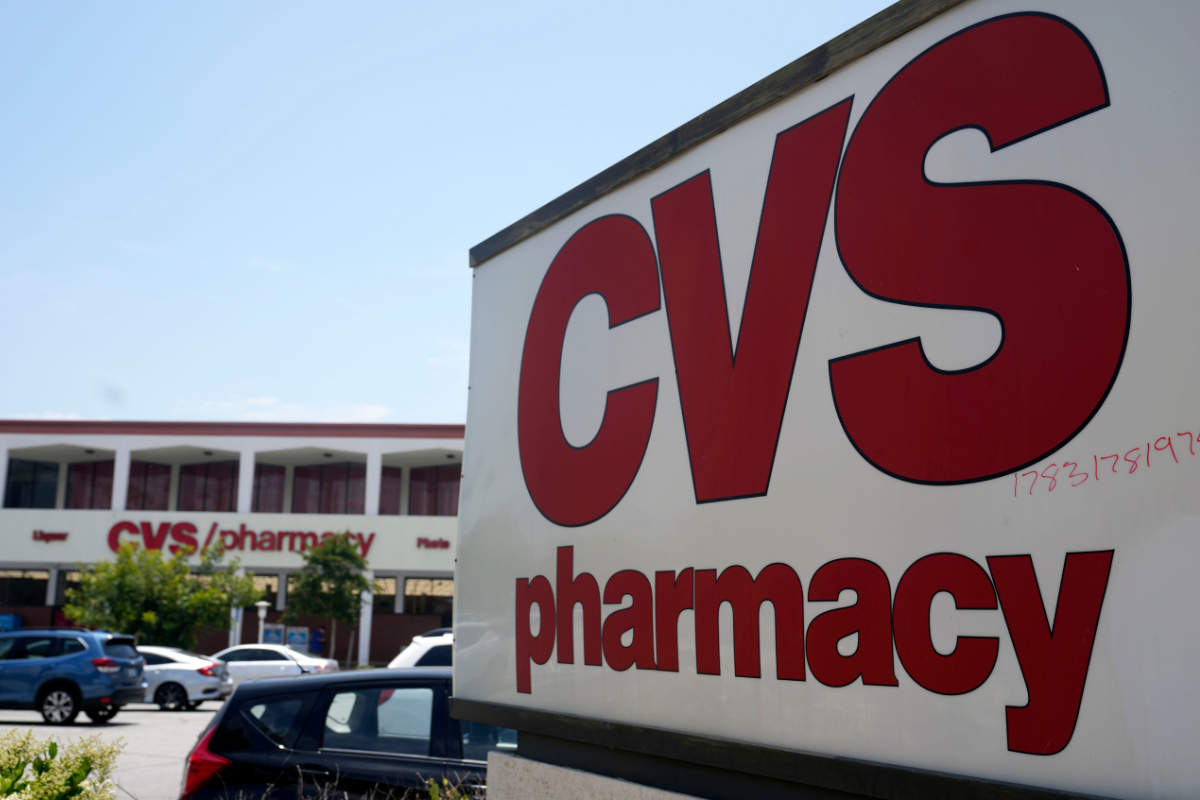

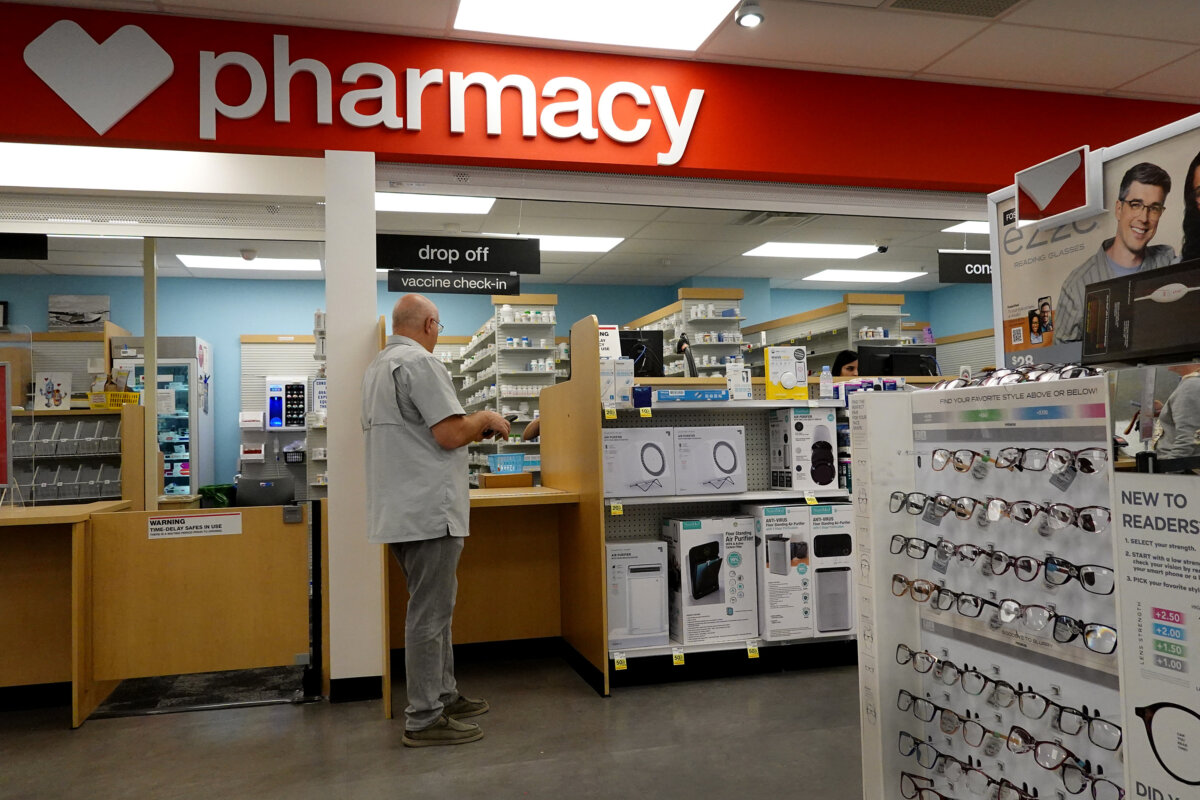
A federal judge on Monday issued a preliminary injunction against an Arkansas law that would have prohibited pharmacy benefit managers (PBMs) from owning pharmacies in the state.
U.S. District Judge Brian Miller wrote in the July 28 order that HB1150, set to take effect on Aug. 5, “appears to overtly discriminate against plaintiffs as out of state companies and the state has failed to show that it has no other means to advance its interest.”
Supporters of the Arkansas bill have said it is needed because PBMs are forcing independent drug stores, especially those in rural communities, to close.
CVS Health and Express Scripts separately filed lawsuits in May to overturn the law, arguing it would have consequences for consumers if allowed to take effect.
PBMs are intermediaries in the pharmaceutical industry that process insurance drug claims and negotiate the prices among manufacturers, insurers, and pharmacies.
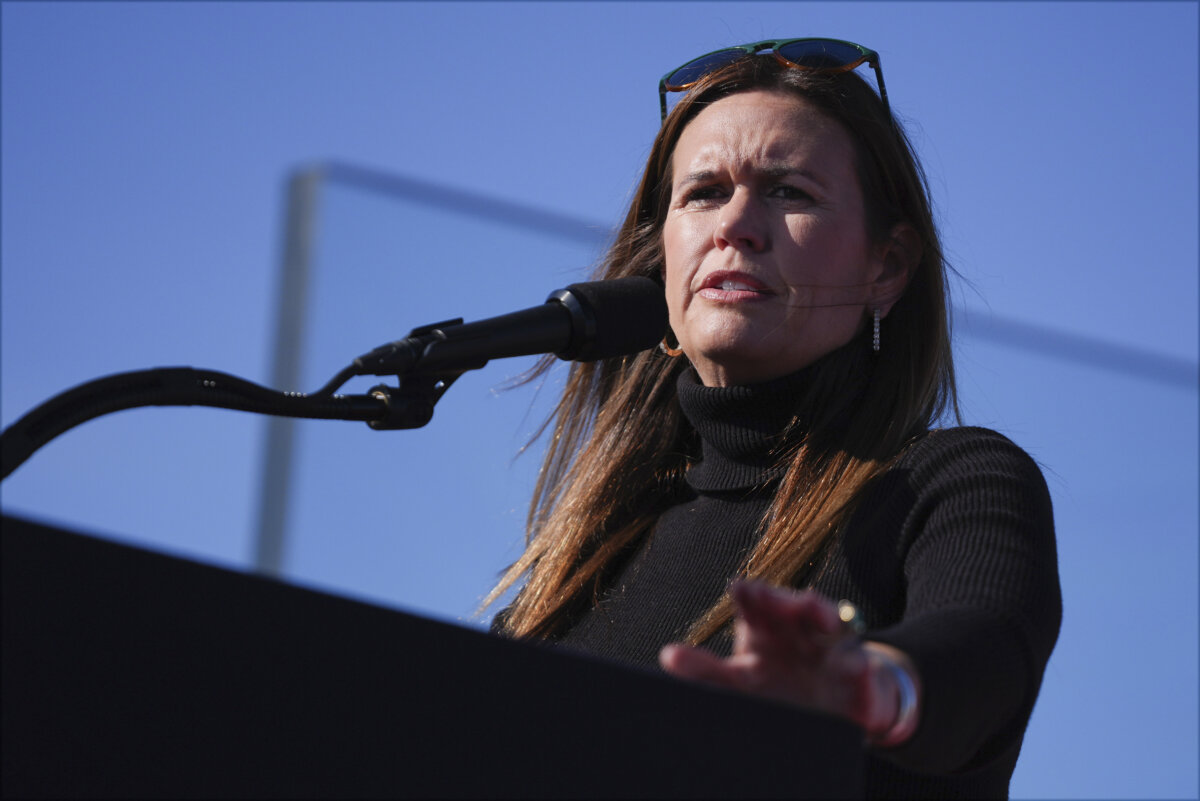
The first-in-the-nation restriction signed into law earlier this year by Gov. Sarah Huckabee Sanders would have revoked or denied licences to drug stores affiliated with PBMs, such as CVS Caremark, unless they changed their business structure.
Arkansas Attorney General Tim Griffin said he respected the court’s decision and planned to appeal.
CVS said it was pleased with the decision.
“We continue to be focused on serving people in Arkansas and are actively looking to work together with the state to reduce drug prices and ensure access to pharmacies,” CVS stated.
When Sanders signed the legislation on April 16, the governor said in a statement that PBMs “have taken advantage of lax regulations to abuse customers, inflate drug prices, and cut off access to critical medications. Not anymore.”
“These massive corporations are attacking our state because we will be the first in the country to hold them accountable for their anticompetitive actions, but Arkansas has never been afraid to be a conservative leader for America,” Sanders said.
Griffin said in the same statement that PBMs have “increasingly taken advantage of their position as price negotiators to benefit pharmacies they own and operate by distorting the market and crushing independent pharmacies.”
He said this meant Arkansans then have to pay higher prices for drugs they rely on.
The same week the bill was signed into law, Griffin led a bipartisan group of 38 other state and territory attorneys general in writing a letter to congressional leadership to request action to prevent what the Arkansas governor’s office called anti-competitive PBM practices.
Federal Trade Commission Report
A January report from the Federal Trade Commission said that PBMs are pushing up the cost of some prescription drugs—including drugs for cancer and other serious illnesses—through enormous markups.
The report said that between 2020 and 2022, 63 percent of drugs dispensed by PBM-affiliated pharmacies were marked up by more than 100 percent. An additional 22 percent were marked up by more than 1,000 percent.
Douglas Hoey, CEO of the National Community Pharmacists Association, said at the time that patients would be better served if the specialty generic drugs were dispensed by their preferred local drug store.
He said that under the current system, a patient’s choice to buy these drugs is “oftentimes limited to PBM-owned mail-order pharmacies.”
Hoey called on lawmakers to pass reforms that would enable patients to buy their prescriptions based on the cost of the drug, plus a transparent professional pharmacist dispensing fee.
Some PBMs have argued that their place in the drug distribution chain benefits customers.
During a hearing at the House oversight committee in July 2024, David Joyner, president of CVS Caremark, said his company had “successfully converted 90 percent of prescriptions to generics, driving them to historic lows.”
“That means patients covered by Caremark plans only pay an average out-of-pocket cost of less than $8 for a 30-day supply of medication. And we did the same for brand name drugs — from 2017 to 2022, our proven tools and strategies drove down the net cost of brand name drugs by 15 percent,” Joyner said.
The Associated Press and Naveen Athrappully contributed to this report.
 Friends Read Free
Copy
Facebook
Tweet
Friends Read Free
Copy
Facebook
Tweet