
Fifteen-year-old Marlene Carson stood on a street corner in Columbus, Ohio, as a man haggled with her handler over the price to pay for sex with her. The man finally agreed to $200.
To her astonishment, what she expected to happen next didn’t happen. Instead, once they were alone, the man read the Bible to her and told her how much God loved her.
Carson knew the Bible. She was “raised in church” and came from a stable home. Those who hear her story say that it “should not have happened to you,” she told The Epoch Times.
Her path to that street corner had started innocently with neighbors who wormed their way into her teenage life with cookouts, amusement park trips, and attention. When they offered to take the teenager and three of her friends to New York for a weekend of fun, Carson begged her mom to let her go. But instead of Broadway shows, the trip turned into a nightmare of forced sex.
Before they returned to Columbus three days later, the girls were told that their parents would be killed if they breathed a word of it to anyone.
Two weeks later, the nightmare began again. As Carson was walking to school, a car pulled up, and she was snatched.
For eight months, Carson was trafficked across the United States, at NFL and NBA games, quarter horse shows, and fancy brothels. The nightmare finally ended in Chicago, where her trafficker was apprehended and Carson—not yet 16 and pregnant—was sent home.
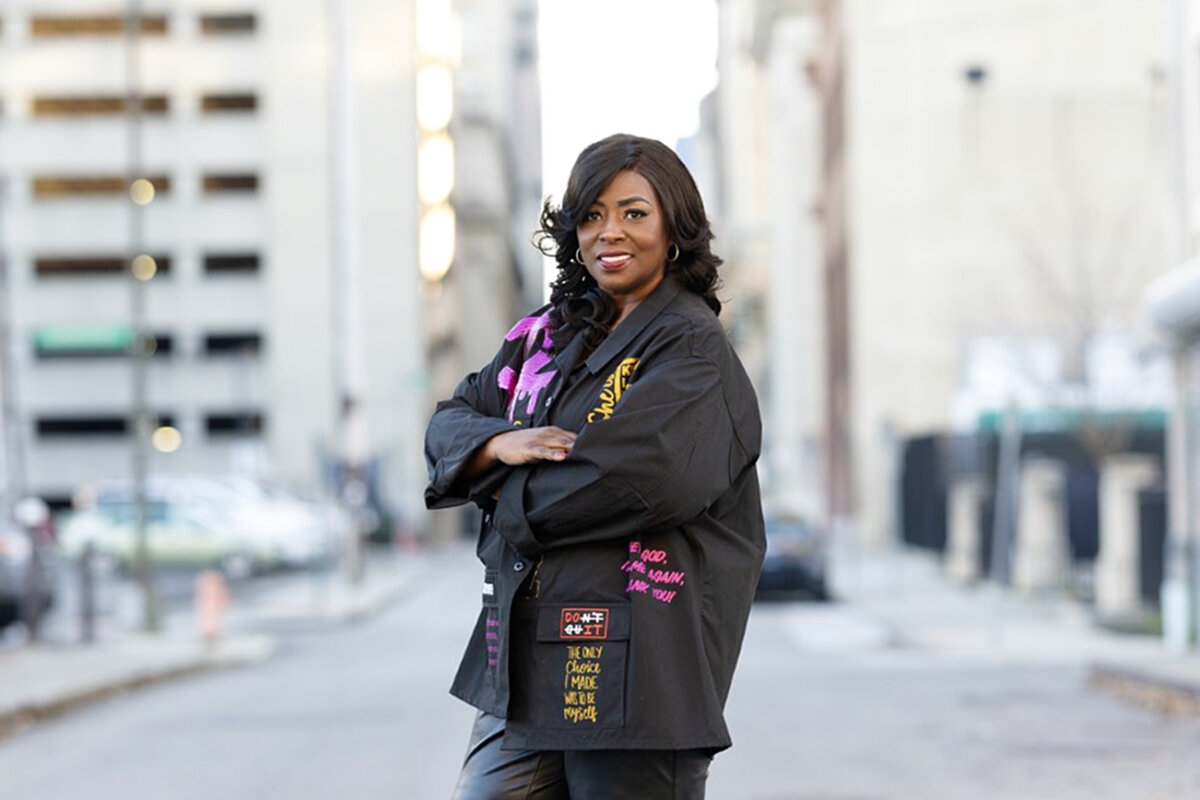
Today, that teenager has become a nationally recognized advocate for human trafficking victims.

It took Carson years to come to terms with the trauma she experienced. Because of her upbringing and her pregnancy, there was a lot of self-condemnation, guilt, and shame connected to that time, she said, even though she knew it wasn’t her fault.
“I lost my whole identity,” she said. “I really did. I lost my identity, and so to that degree, it’s taken me probably 20 plus years to really know and understand who Marlene Carson is, not Dr. Marlene … I just mean Marlene.”
Over her story of being used in brothels and sporting events hangs the shadow of the handlers who collected the money she made while being trafficked.
She was “put on punishment” and told to stand on a street corner just once. That experience—and the kindness of a man who paid $200 to read the Bible to her—was the seed for her later work with other trafficking survivors.
‘Nobody’s Going to Help You Do That’
When Carson opened her first agency for trafficking survivors in 2008, she turned to the social work department at a prestigious university for help.
She knew the urgency of the need: When she was trying to recover from the trauma of being trafficked, there was a lack of housing, services, and trauma-informed care for people like her.
The university told her outright, “Ma’am, nobody’s going to help you do that.”
Three years later, Carson helped that university create an accredited anti-trafficking program. It’s one of many things she has done to help other women who have been violated and exploited.
In the time since surviving her own trafficking, Carson has held a number of influential roles, including serving as chair of the U.S. Advisory Council on Human Trafficking.
She has founded multiple organizations, including Black Leaders Against Sex Trafficking (BLAST). She holds a doctorate in theology and has authored 15 books. Throughout her work in government and the private sector, Carson has focused on restoring dignity to survivors and promoting faith-based leadership.
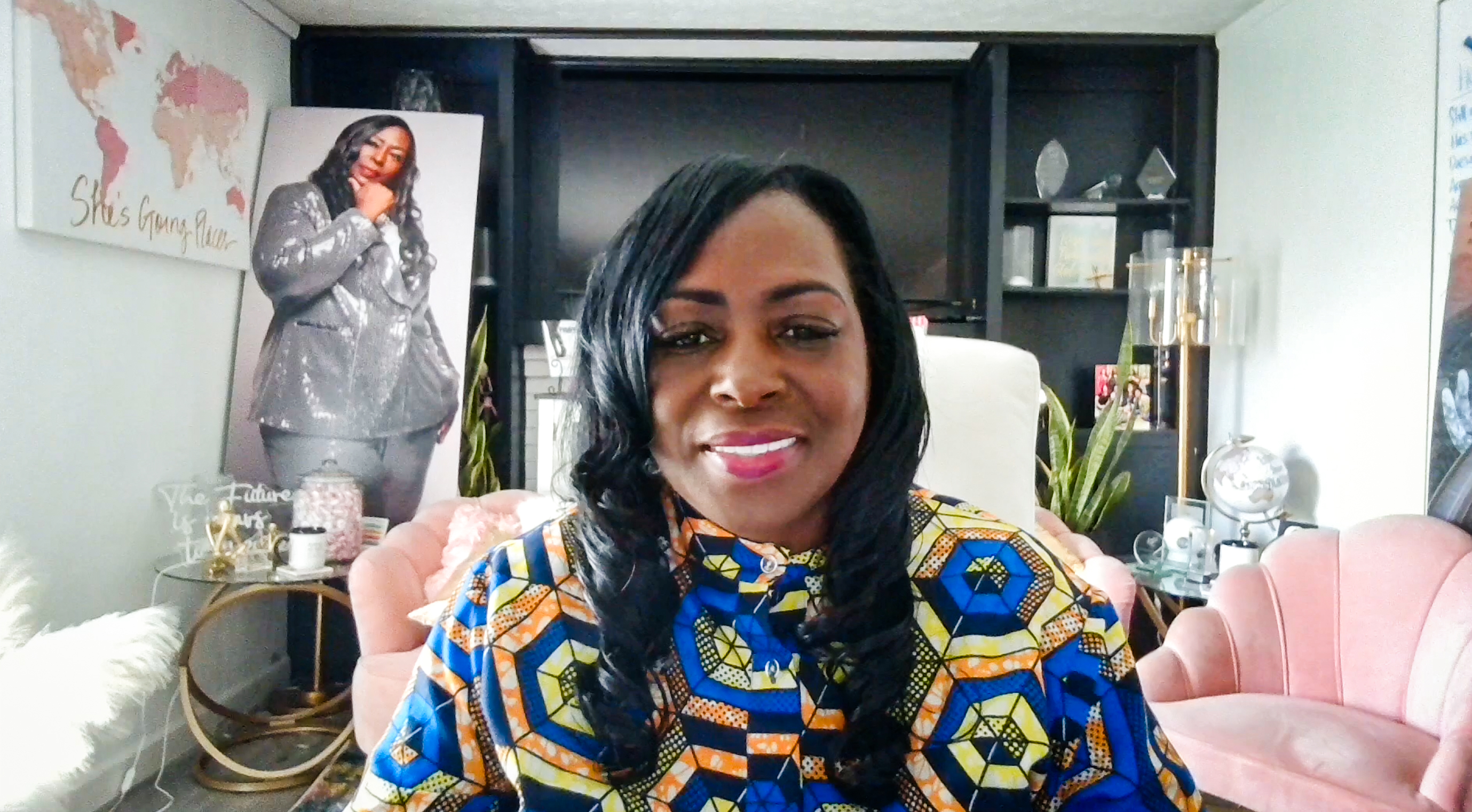
“To see where my life has evolved from a victim of trafficking to chair the U.S. Advisory Council at the White House, it’s a huge evolution, huge,” Carson said.
“I never knew how to live until I found my reason to die. And I really mean that.”
Carson believes that while many people start agencies to help survivors of trafficking, if there is no funding, or worse, if there is “heart, but no knowledge” of the subject, the effort can end up being ”more traumatizing, or just as traumatizing, as the trafficking.”
That conviction has led her to focus on influencing policy, and that’s where she feels she has made her greatest impact.
“I realize that that’s where a lot of the services that are funded, at least, that’s where it’s going to start,” she said.
During her time as chair of the U.S. Advisory Council on Human Trafficking, she focused on housing—“the biggest challenge and dilemma” faced by many organizations for trafficking survivors—and creating recommendations and policies that would change how housing is provided.
Helping Survivors Become Fighters
The National Center for Missing and Exploited Children received more than 113,500 reports of possible child sex trafficking in 2025. That’s a 323 percent increase from 2024.
According to the agency, one in seven children who were reported missing in 2025 were likely victims of child sex trafficking. Human trafficking—including sex trafficking—is the second most profitable criminal enterprise globally, after drug trafficking, valued at an estimated $32 billion per year, according to the Justice Department.
High-risk targets for human trafficking include children or youth in the foster care and juvenile justice systems, victims of abuse or neglect, domestic violence survivors, unaccompanied alien children, and those living in poverty or addiction.
But Carson is proof that the stereotypes don’t always hold. The youngest of five siblings, she was raised in a devout Christian household and was a virgin when she was first trafficked.
“People think that there is a criteria: drug addiction,” she said. “I’ve never been on drugs a day in my life. I’ve never tasted alcohol a day in my life. That has not been my story.”
In addition to helping influence policy, Carson’s experience allows her to help on a local, personal level.

She told the story of a teenager who was one of the first survivors she helped through BLAST.
Orphaned before she was 10, the young woman had been abused and trafficked by her brother. Her path eventually led to jail. When Carson met her, two days after BLAST opened its doors, the 18-year-old was on medication for schizophrenia and was “like a zombie,” Carson said.
The woman’s doctor told Carson that she could not be weaned off the medication. Carson persisted.
A little more than a year later, with the help and support of Carson’s organization, she graduated—no longer overmedicated—as valedictorian from her high school.
After the young woman’s transformation, Carson went to the detention center where the young woman had been held and asked the guards—some of whom had been there for decades—to identify the worst individual they had experienced there. They all named Carson’s client.
“This is a young lady who had been all through our juvenile justice system,” Carson said. “If I show you a picture of her then and her now, you will say, ‘This is not the same person.’”
Carson described the teen as a “victim of five systems: homelessness, drug addiction, mental health, juvenile justice, and trafficking.”
“She was a fighter,” Carson said.
BLAST is launching a program that focuses on restorative entrepreneurship—using business creation to rehabilitate. Carson said she has found that the drive for entrepreneurship is often strong in those who have been trafficked.
“To be able to teach them a skill, or how to monetize [their skills] … something that’s legal and moral” is the epitome of restorative entrepreneurship, she said.
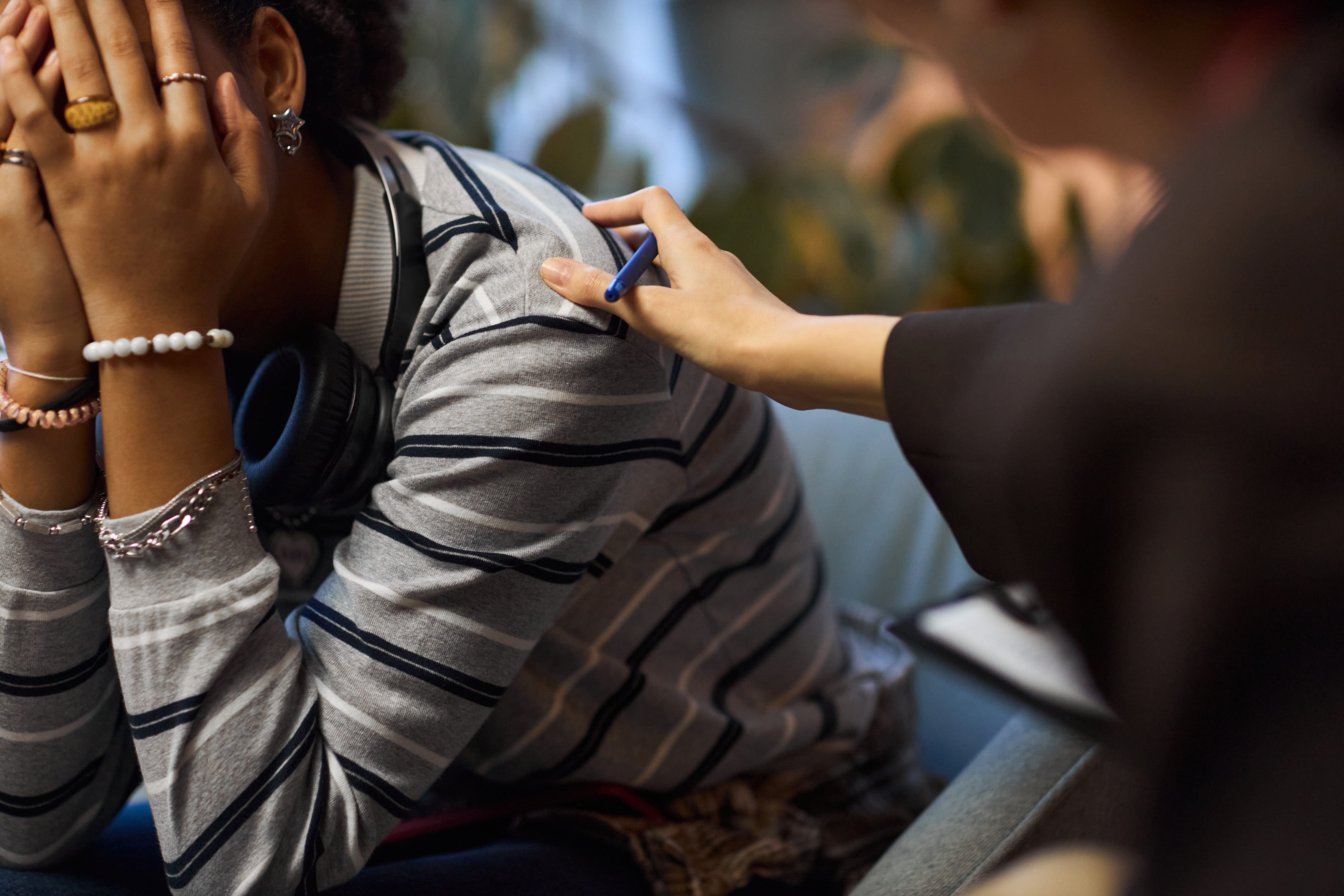
A passion for justice drives Carson’s work for trafficking survivors.
Her favorite quote is from philosopher and activist Cornel West: ”Justice is what love looks like in public.’”
“Human trafficking is an important cause, because every child deserves a chance,” Carson said.
She likes to ask people: “What if? What if you can do what you love to fight what you hate?”
Carson hopes that after hearing stories like hers, people will hate that human trafficking exists and empathize with its victims.
“If you know a kid that’s missing … that child deserves a chance, that child deserves a voice. And if they can’t speak for themselves, they deserve someone who can.”
This article is part of the “Heroes Wanted” campaign, honoring the brave men and women who fight to end human trafficking. The Epoch Times and sister media NTD Television are proud partners of Kaleido.Charity and the Fifth Annual International Summit Against Human Trafficking in Washington from July 21 to July 23.
 Friends Read Free
Copy
Facebook
Tweet
Friends Read Free
Copy
Facebook
Tweet