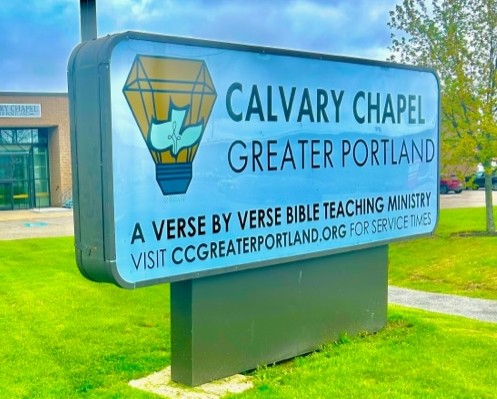

A dispute over a shared parental custody agreement dealing with the religious training of a minor child has reached the Supreme Judicial Court of Maine.
The parents, Matthew Bradeen and Emily Bickford, never married and parted ways before their daughter was born in 2013.
At the time of their breakup, the parents entered into a shared custody agreement concerning decisions involving their child’s medical and mental health and religious upbringing.
Bradeen and Bickford abided by the 50–50 custody arrangement without major conflict for eight years.
However, in 2021, shortly after Bickford and the minor child started attending the Calvary Chapel of Portland, an independent, nondenominational, fundamental Christian church, Bradeen asked the Portland District Court to modify the custody agreement to protect the child from alleged psychological harm from exposure to the teachings of that church by prohibiting any contact with that ministry, according to court filings cited in this article.
A Controversial Ruling
In December 2024, the court gave Bradeen control of the child’s religious training—a ruling that enabled him to prevent Bickford from taking her daughter to Calvary Chapel without his permission.
According to court filings, Bradeen hired an expert on cults to help convince the court that the child’s mother was not acting in their daughter’s best interest.
Maine District Judge Jennifer Nofsinger agreed with the father’s complaint that the mother’s religious beliefs and those of her church are cultic, frightening, and harmful to the mental health of their child.
Travis Carey, senior pastor at Calvary Chapel of Portland, told The Epoch Times that his church is a very mainstream, conventional Christian church that believes the Bible is the word of God and teaches it line-by-line and verse-by-verse.
“The Bible teaches us about sin, hell, salvation, and heaven. It instructs us on family life, marriage, sexuality, gender, and government. Matt Bradeen disagrees with our strong stance on these important issues. His problem is with the word of God and not Calvary Chapel,” said Carey.
The Hirshon Law Group of Freeport, Maine, and attorneys from Liberty Counsel, a nonprofit religious liberty and parental advocacy organization, are representing Bickford in her appeal to the Supreme Judicial Court of Maine.
Liberty Counsel said in a statement about the case, “Under the U.S. Constitution, federal law, and numerous Supreme Court precedents, unmarried parents both have the right to instill their religious beliefs into their children during their respective custodial time.”
Daniel Schmid, associate vice president for legal affairs at Liberty Counsel, told The Epoch Times: “The implications for religious liberty could not be more dire.
“To allow such a decision to stand on the basis that the mainstream Christian views are inappropriate for a child is to outlaw Christianity and ban the teaching of the Bible to children.”
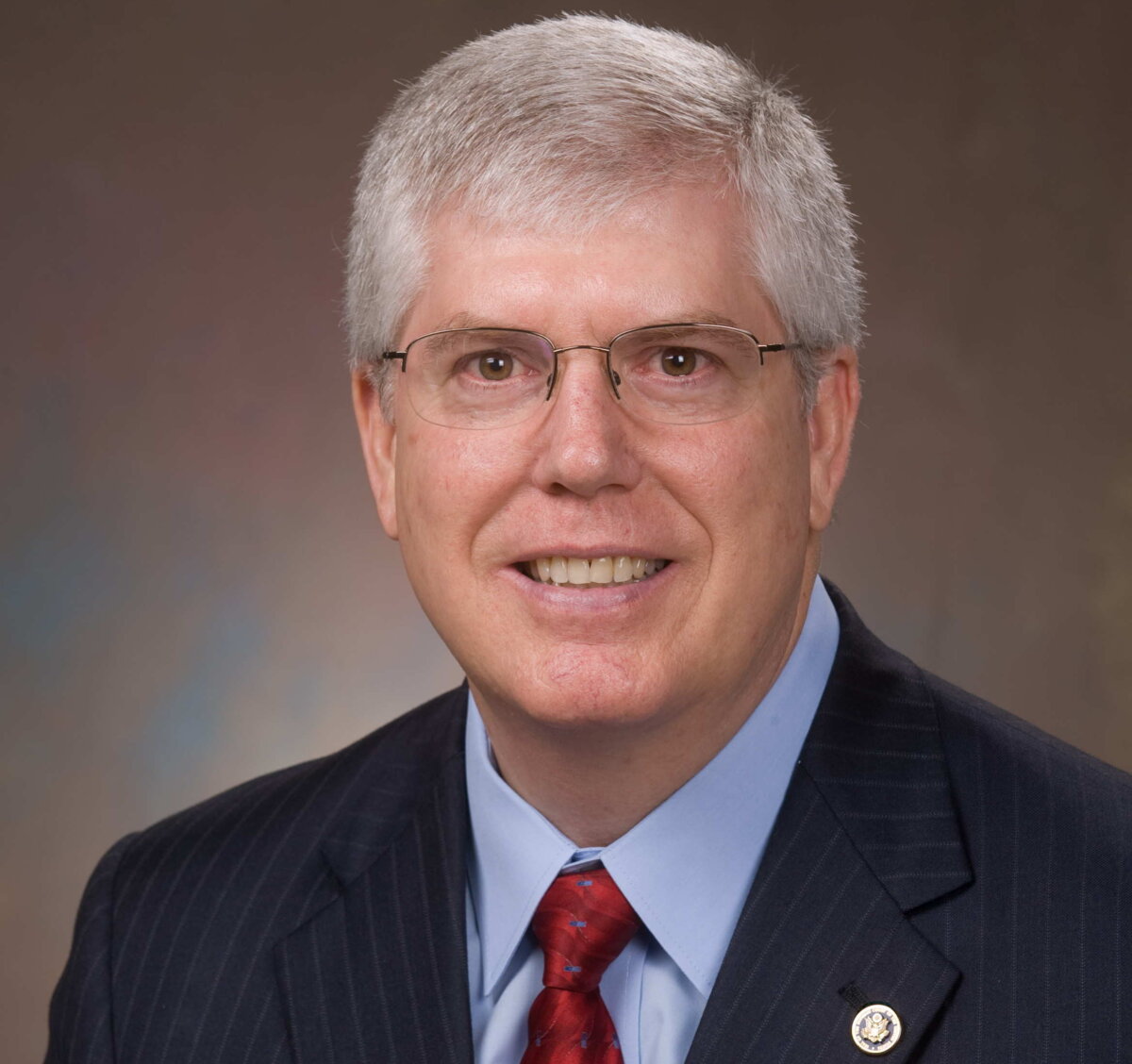
Liberty Counsel Founder and Chairman Mat Staver said in a statement: “Calvary Chapel is not a cult. This custody order banning a mother from taking her child to a Christian church because of its biblical teachings violates the First Amendment.”
Bradeen’s attorney in the appeal, Michelle King of Portland, declined to comment on the details of the case.
In Bradeen’s brief to the Supreme Court of Maine, King wrote that the lower court’s order awarding her client decision-making over the child’s participation in Calvary Chapel did not violate the U.S. Constitution.
King argued that the lower court carefully followed civil rights protection guidelines in narrowly tailoring the ruling, which affirmed that the state had a compelling interest in “avoiding harm to [the child].”
The lower court order also gave Bradeen control over the minor child’s medical decision-making following a dispute with Bickford over some vaccinations (including COVID-19 boosters) and certain antibiotics.
 Friends Read Free
Copy
Facebook
Tweet
Friends Read Free
Copy
Facebook
Tweet