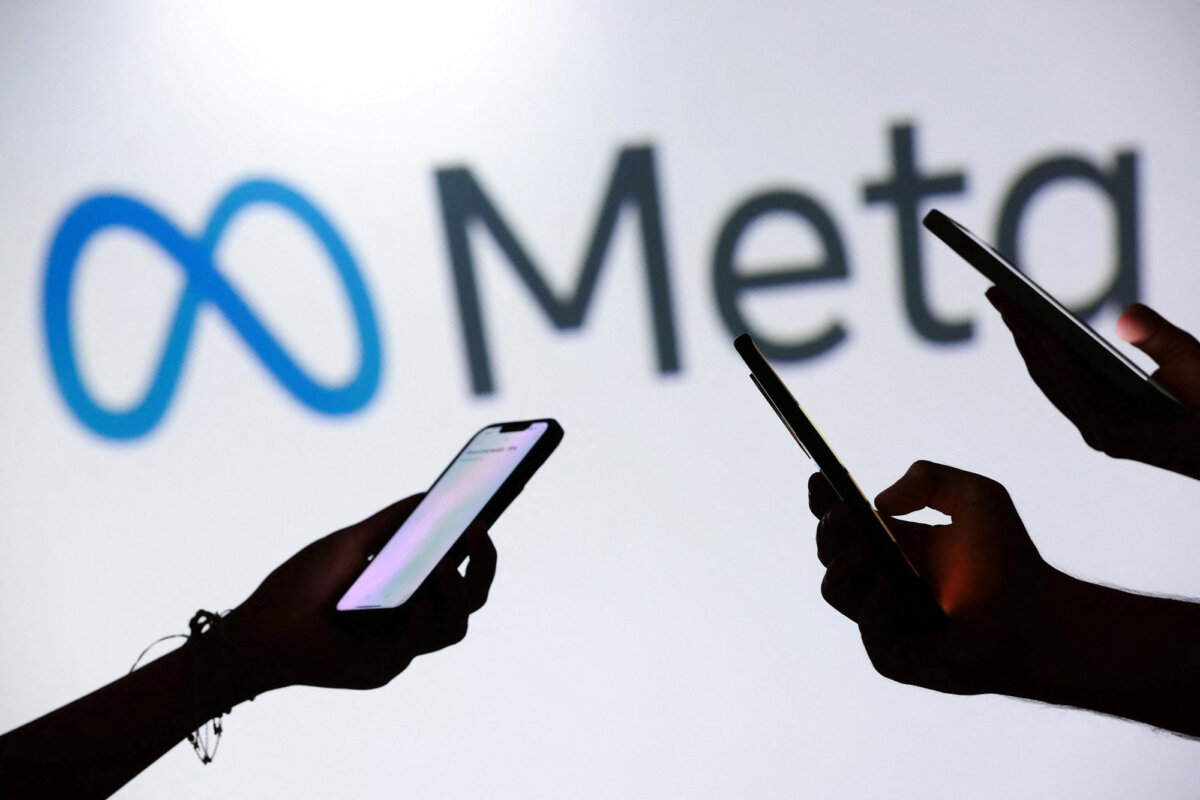

Meta Platforms has agreed to pay out as much as $17 billion to settle state claims that it designed Facebook and Instagram to addict children, deceived consumers about the platforms’ safety, and collected personal data from children who used the platforms, according to court filings made public on Aug. 26.
The settlement comes after a federal trial began on Aug. 18 in Oakland, California, where the company denied allegations by 29 states that it deliberately tried to get children addicted to its Facebook and Instagram platforms.
On Aug. 18, Meta had a total market capitalization of approximately $1.39 trillion. Its stock price rose after news of the settlement spread, pushing its total market capitalization by late morning on Aug. 26 to about $1.5 trillion.
Meta had estimated that it could face up to $1.4 trillion in penalties, although state attorneys general had said the figure could have been closer to $200 billion.
The states claimed that Meta misled consumers and designed Facebook and Instagram in such a way that they would hook young users, leading to increased anxiety, depression, and even suicide.
The 29 states alleged in their lawsuit that Meta has violated the federal Children’s Online Privacy Protection Act by collecting personal information from children younger than 13 without obtaining proper parental consent.
In the settlement, Meta has agreed to institute daily and nighttime usage limits for children who use its two social media platforms, as well as strengthen measures to prevent children from accessing age-restricted content.
The settlement also covers lawsuits by California, Illinois, New Mexico, and the District of Columbia over privacy claims related to the Cambridge Analytica controversy. In that case, the consulting firm was accused of collecting personal data from millions of Facebook users. Those states are slated to receive $459.3 million to resolve those legal actions.
Cambridge Analytica previously worked for then-presidential candidate Donald Trump’s 2016 campaign and had access to personal data from millions of Facebook accounts for purposes of targeting and profiling voters. The account holders didn’t consent, and their data was harvested through an app.
The settlement remains subject to court approval.
Reuters contributed to this report.
This is a developing story that will be updated.
 Friends Read Free
Copy
Facebook
Tweet
Friends Read Free
Copy
Facebook
Tweet