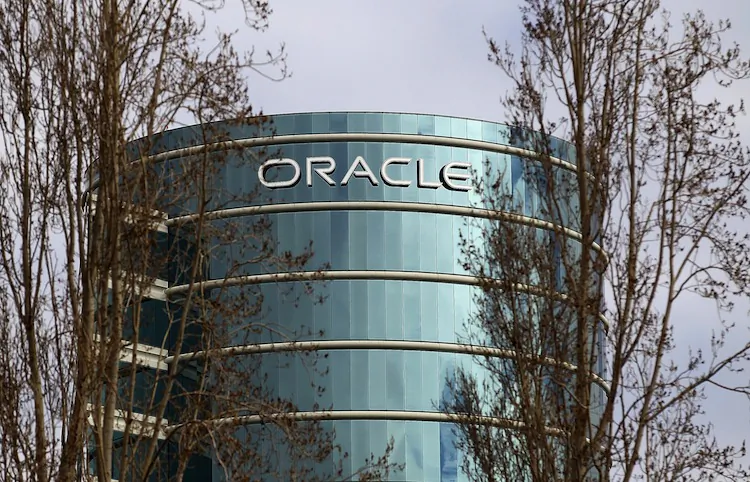

Payments from tech giant Oracle’s $115 million class-action settlement will start being sent out later this month, according to an update on the settlement website.
Two years ago, Oracle agreed to pay a sum to settle a lawsuit accusing the database software and cloud computing company of invading people’s privacy by collecting and selling their personal information to third parties.
When Will Payments Be Distributed?
The settlement received final approval in November 2024 from a court. The payments will start going out on Sept. 21, according to the official Oracle Data Privacy Settlement website. Those payments should be completed by Dec. 7, 2026, it added.
Who Is Affected?
The settlement covers individuals whose personal information was collected by Oracle or sold by the tech giant in the past decade or so.
Those people must have been residing in the United States and their personal information or data derived from their personal information “acquired, captured, or otherwise collected by Oracle Advertising technologies or made available for use or sale by or through ID Graph, Data Marketplace, or any other Oracle Advertising product or service,” according to the website.
The time period spans from Aug. 19, 2018, to the date of final judgment in the court case, which was not provided on the settlement website. Nov. 14, 2024, was listed as the final approval hearing in the case.
How Much?
Although the settlement exceeds $100 million, each valid claimant is estimated to receive $36.45 apiece, the update said.
The site’s administration also urged people who may be claimants to monitor their email accounts during the upcoming time period. The deadline to submit a claim in the settlement has since passed.
Payments will be sent out via Zelle, Venmo, ACH Transfer, virtual prepaid card, or paper check, the administrators said.
What Was the Settlement About?
The plaintiffs in the lawsuit, who otherwise have no connection to Oracle, said the company violated federal and state privacy laws and California’s constitution by creating unauthorized “digital dossiers” for hundreds of millions of people.
They said the dossiers contained data on where people browsed online, did their banking, bought gas, dined out, shopped, and used their credit cards.
Oracle then allegedly sold the information directly to marketers or through products such as ID Graph, which, according to the company, helps marketers “orchestrate a relevant, personalized experience for each individual.”
As part of the settlement, the Austin, Texas-based company agreed not to collect user-generated information from URLs of previously visited websites or from text users enter in online forms other than on Oracle’s own websites.
How Did Oracle Respond?
Oracle denied any wrongdoing as part of the proposed accord, according to the settlement website’s frequently asked questions section. It has since exited the advertising technology industry amid what it said was a decline in revenue.
The company also did “not make any admission of guilt or wrongdoing by entering into the settlement,” it added. “No court or other entity has made any findings against Oracle nor any determination that the law has been violated.”
Reuters contributed to this report.
 Friends Read Free
Copy
Facebook
Tweet
Friends Read Free
Copy
Facebook
Tweet