
A U.S. Immigration and Customs Enforcement (ICE) agent wanted on state charges of assault and false reporting was arrested Wednesday in downtown Minneapolis eight months after the shooting of a Venezuelan man during an immigration enforcement operation.
Minnesota Bureau of Criminal Apprehension (BCA) officials arrested Christian Castro, 52, about 2:15 p.m. Wednesday and booked him into the Hennepin County jail on an outstanding state warrant. He appeared in state court for a hearing Thursday, and Friday he will appear in U.S. District Court in St. Paul on a federal indictment accusing him of making false statements.
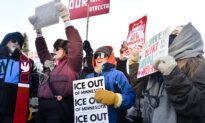
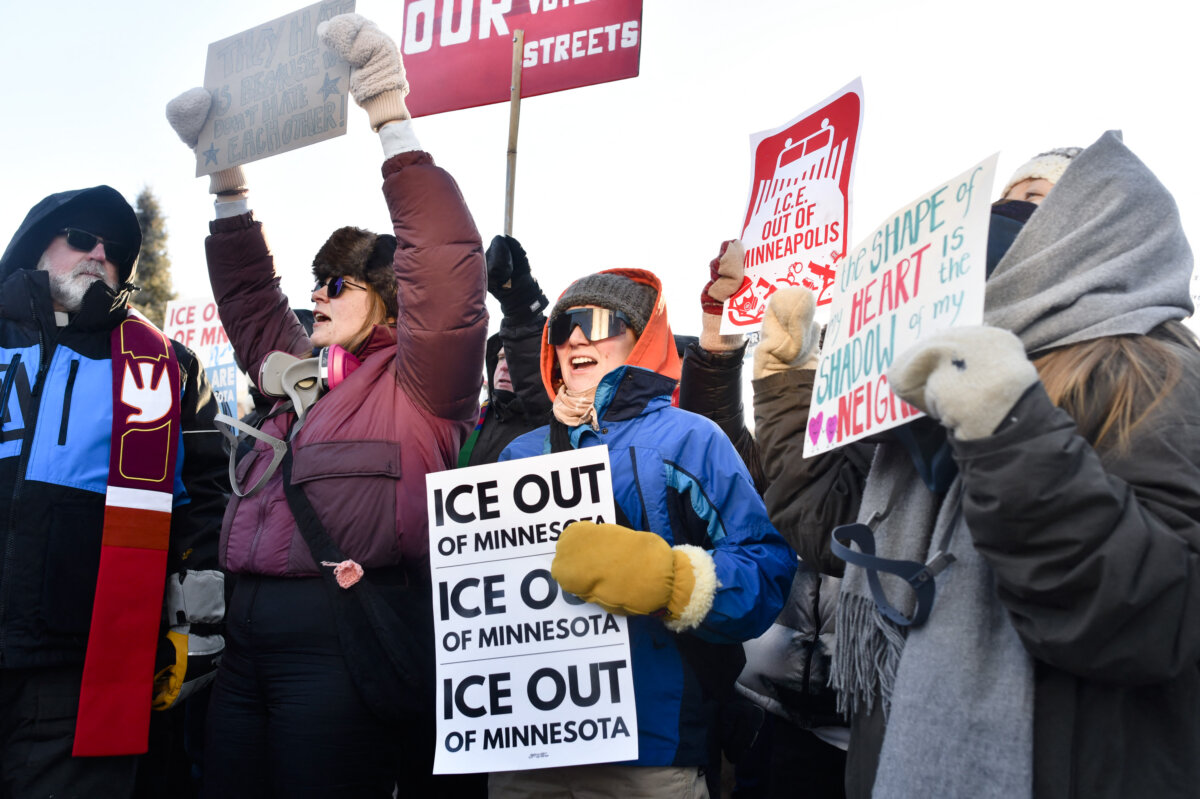
The January shooting came amid ICE’s Operation Metro Surge, which primarily targeted Minnesota. The immigration enforcement operation drew weeks of protests, during which two protesters, Renee Good and Alex Pretti, both U.S. citizens, were fatally shot by federal agents in separate incidents.
Castro attorney Daniel Gerdts said that Castro drove from Texas under an agreement to surrender at Gerdts’s Minneapolis office, but BCA agents arrested him minutes before he arrived. A BCA spokesperson said agents had been negotiating a surrender and “saw an opportunity to arrest him” when they spotted him downtown.
Another attorney who represents Castro, Rolando Cantu, said that Castro “always had intended to answer to the charges” and “wants his day in court.”
In May, Hennepin County Attorney Mary Moriarty charged Castro with four counts of second-degree assault and one count of falsely reporting a crime in the Jan. 14 shooting. She alleged that he fired through a front door “knowing there were people who had just run inside.” The bullet struck Julio Cesar Sosa-Celis, 24, in the leg and lodged in another wall. The federal indictment later said two 1-year-old children were inside.
The Jan. 14 Shooting
Castro, an eight-year Border Patrol veteran who joined ICE in September 2025, and his partner were carrying out a traffic stop targeting Sosa-Celis on Jan. 14, according to a statement from the Department of Homeland Security. Sosa-Celis fled in his vehicle, crashed into a parked car, then ran. The officers and suspect ended up in a duplex yard.
Castro told the FBI two other men came out of a nearby apartment; one hit him with a red broom, and the other hit him with a black snow shovel. He said he fired one round from the ground. DHS initially said the shooting was defensive after an ambush.
On Feb. 13, acting ICE Director Todd Lyons said that Castro had allegedly lied, citing a review of video evidence.
“A joint review by ICE and the Department of Justice (DOJ) of video evidence has revealed that sworn testimony provided by two separate officers appears to have made untruthful statements,” Lyons said.
Both agents were placed on leave.
As described by the Hennepin County Attorney’s Office, the suspect was behind the duplex door when Castro fired.
Federal Charges
A federal grand jury on Sept. 2 charged Castro with making materially false statements to an FBI agent—a different allegation from the state misdemeanor of falsely reporting a crime. He had been released on federal bond earlier this month, with a GPS monitor, after an appearance in U.S. District Court in McAllen, Texas.
The indictment alleged that Castro’s account was false: “No person struck Castro with a broom. … No person struck Castro with a snow shovel.”
Prosecutors said the clash lasted 11 seconds, not three minutes, and that Castro “was not seated or lying on his back when he discharged his firearm toward the fleeing men, but rather was standing.”
Texas Extradition
After the shooting, DHS sent Castro back to Texas, his home state, according to Texas officials who later argued he was not a fugitive because he had not fled Minnesota. That move delayed Minnesota’s first attempt to take him into custody on the state warrant.
Texas Rangers arrested him May 29, with BCA investigators and DHS staff present. Hennepin County later corrected an earlier claim that DHS Office of Inspector General agents made the arrest; OIG denied involvement. An ICE Office of Professional Responsibility officer was present.
Castro served 90 days in a Texas jail. He was released Aug. 27 after U.S. District Judge Fernando Rodriguez Jr. refused to force Texas to extradite him or keep him jailed past the state’s 90-day limit. The judge said the law does not require Texas Gov. Greg Abbott to turn over a fugitive within a certain time frame.
Minnesota officials called Castro a flight risk. State Attorney General Keith Ellison’s office pointed to Castro’s jail calls with a woman in Mexico “about marrying her and buying a house in Mexico when he is released.”
Ellison sued Abbott in August.
“Governor Abbott is trying to shield Castro from being held accountable for these serious charges by refusing to extradite him to Minnesota,” Ellison said. “I will not stand for that, so I’m taking Abbott to court. Christian Castro will stand trial in Minnesota.”
Abbott said he did not trust Minnesota Gov. Tim Walz.
“While they’re making demands, I got a demand of my own, and that is, it’s time for Minnesota to step up and repay the United States of America and Americans for all the fraud that they have committed in their state under federal programs.”
Castro was arrested again in Texas after the September indictment, then came to Minneapolis this week. DHS has suspended him.
Reuters contributed to this report.
 Friends Read Free
Copy
Facebook
Tweet
Friends Read Free
Copy
Facebook
Tweet