
Congress passed the No Surprises Act in 2020 to protect patients from receiving unexpectedly high medical bills.
Yet patients may still get hospital charges that seem unreasonably high or are difficult to understand. More than 5 million billing disputes have been registered with the federal government since the law took effect in 2022.
One reason may be that the law applies in limited circumstances dealing with out-of-network providers and emergency services and does not apply to all services.
Since 2020, a number of states have enacted their own patient protection laws to address surprise charges, price transparency, and other common complaints about medical billing, some going further than the federal law.
Here are the primary patient complaints about hospital billing along with the laws applying to them—and why some observers think more work needs to be done.
Surprise Bills
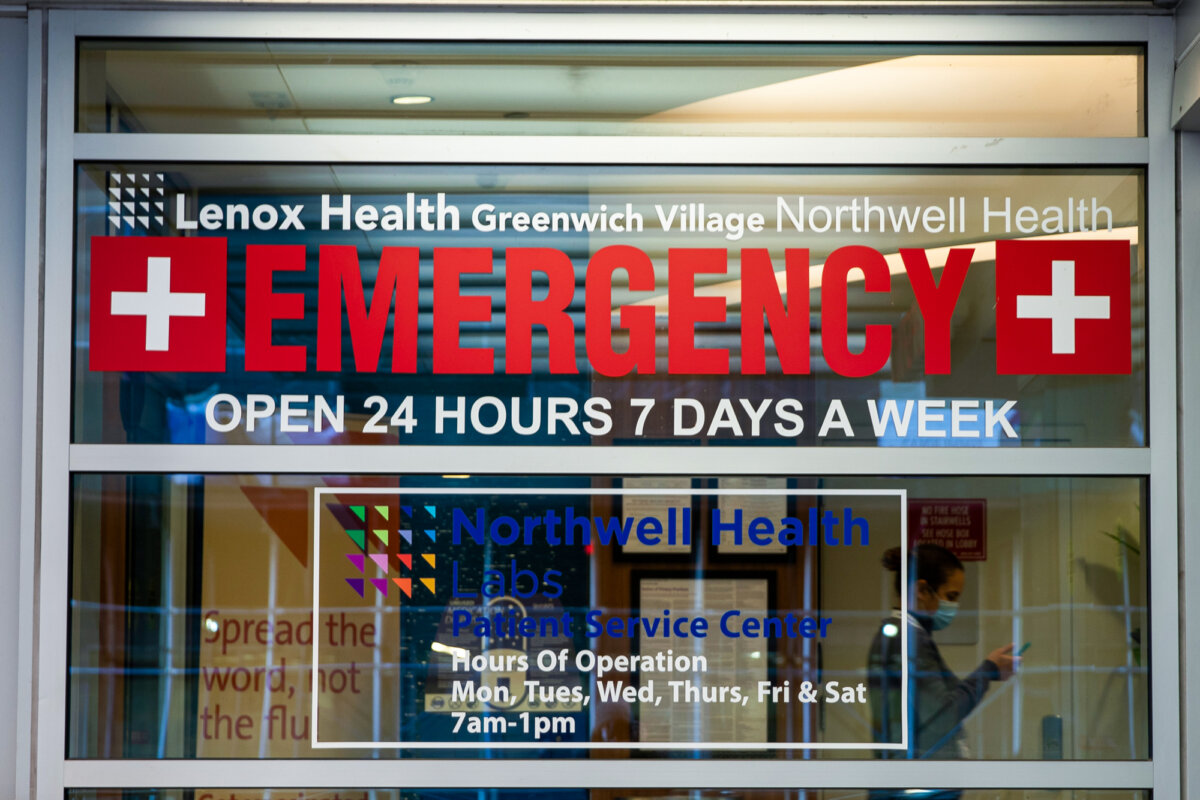
The No Surprises Act aims primarily to protect patients from getting unexpectedly high medical bills after receiving out-of-network care or emergency services—for instance, visiting the emergency room while on vacation.
It does that by preventing health insurers from denying coverage for out-of-network emergency services when the patient did not get prior authorization. It also limits the copayments and deductibles for most emergency services that are out of network.
Additionally, a hospital can’t use “balance billing” for out-of-network patients. That means the hospital can’t bill the patient for the “balance” their insurance company won’t pay for a service provided by someone at the hospital who is not in the patient’s network—like a surgeon, anesthesiologist, or radiologist.
Hospitals also must provide a written notice of their billing practices and inform patients how to address complaints. For uninsured patients, hospitals must provide a good-faith estimate of charges prior to service when requested.
The law created a process for independent dispute resolution of medical charges as well.
Thirty-three states already had laws in place to address surprise medical bills before 2020, though 15 were less extensive than the No Surprises Act.
The law does have several limitations, however.
It applies only to emergency or out-of-network services. Patients can still encounter surprise charges from providers like physician offices or birthing centers.
Some services are exempted from the law, such as ground ambulances.
Also, dispute resolution favors the provider about 80 percent of the time, according to the Peterson-KFF Health Tracker.
Despite the ongoing complaints, hospitals say they’re working hard to comply with the law.
“Hospitals have invested countless staff hours and substantial resources in adhering to the provisions and remain committed to ensuring they meet the regulatory requirements, even as they have been continually modified since implementation,” the American Hospital Association said in a statement.
Unclear Pricing
Patients generally learn the price of a hospital service only after it is rendered—and after signing an agreement to pay whatever fee is charged.
Patients with insurance benefit from discounts negotiated annually by their insurer, but even then, patients often don’t know the amount they’ll have to pay until the explanation of benefits or hospital bill arrives.
Given the high sticker prices and unknown discounts, patients—and employers who purchase employee health plans—often find it difficult to shop for services.
“You wouldn’t book a flight if you couldn’t find out the ticket price until you land—or check into a hotel without knowing if you’re paying for the Ritz or a dump. But that’s the absurd guessing game Americans play every time they need medical care,” Sen. John Hickenlooper (D-Colo.) said in a January statement.
“We deserve to know exactly what we are paying for,” said Hickenlooper, who sits on the Senate Health, Education, Labor, and Pensions Committee.
The Hospital Price Transparency Rule, adopted in 2020 and updated in 2026, requires hospitals to post machine-readable files containing gross charges for each service, payer-specific negotiated rates, minimum and maximum negotiated rates, and discounted cash prices.
Hospitals are also required to post a consumer-friendly price list of at least 300 “shoppable” services.
But the machine-readable files are large, and the format can make them difficult for consumers to understand.
The prices can also vary wildly depending on who’s paying, even at the same hospital. A cervical spinal fusion at one university hospital varied in price from $650 to more than $26,000, according to a report from Patients Rights Advocate.
Compliance with the law has been uneven. In the 12 months ending October 2025, the Centers for Medicare and Medicaid Services issued more than 1,100 warnings to hospitals.
“Four-and-a-half years after the federal health care price transparency rule took effect, hospitals and insurers continue to flout the law,” patient advocate Cynthia Fisher said in September in a statement.
The No Surprises Act requires hospitals to provide a good-faith estimate of charges before treatment, but that applies only to uninsured or self-paying patients receiving emergency services.
However, 12 states have passed hospital price transparency laws, some going beyond the provisions of the federal regulation.
For example, Arizona requires its state department of health to verify compliance with price transparency regulations annually. Arkansas imposes a daily fine for non-compliance. Ohio requires all shoppable services to be publicly posted, not just 300.
Indiana requires hospitals to provide a good-faith estimate for all scheduled procedures two days ahead of time. Florida requires a good-faith estimate for all non-emergency services within three days of a scheduling request.
The American Hospital Association said the variety of approaches and estimating tools used by the states may be of little use to patients.
“The overabundance of tools may create patient confusion rather than provide value,” the group said.
Billing Errors and Collections
Forty-three percent of adults say they’ve received a medical or dental bill that contained an error. More than two-thirds of this group said they were billed for services not rendered or for bills they’d already paid, according to health policy think tank KFF.
More than half of Medicare patients filing complaints about medical debt collection reported that the underlying debt was based on inaccurate billing. For those with more than one type of insurance, the number was 61 percent, according to the Consumer Financial Protection Bureau.
No federal law directly addresses medical debt, though the Centers for Medicare and Medicaid Services provides tips for patients who believe they have been billed in error.
Colorado, Georgia, Illinois, Maine, New Jersey, Texas, and Utah have laws requiring hospitals to provide patients with an itemized bill as opposed to a statement listing only the total charge.
Colorado, Nevada, Ohio, Oklahoma, and Texas prohibit hospitals from pursuing debt collection or referring accounts to collection agencies for any services rendered on days when the hospital was not in compliance with price transparency laws.
Most hospitals do not routinely provide itemized bills to patients within 30 days of receiving a claim determination from the insurer, according to health policy think tank Lown Institute.
“Right now, the burden is on patients to navigate a broken system. That has to change,” Dr. Vikas Saini, president of the Lown Institute, said in a statement.
 Friends Read Free
Copy
Facebook
Tweet
Friends Read Free
Copy
Facebook
Tweet