
School administrators in Florida’s Orange County are moving forward with their interpretation of a state law that bans teachers from using student-preferred pronouns.
The Orange County School (OCS) board will soon allow teachers to use student-preferred pronouns if they receive permission and consent from the student’s parents, even if those pronouns do not correspond with the student’s sex at birth.
Florida is one of 10 states that have passed laws restricting the use of student-preferred pronouns in schools. They are Utah, Alabama, Indiana, Arkansas, Iowa, Kentucky, Tennessee, North Dakota, and Montana.
In 2023, Florida passed HB 1069, expanding the earlier Parent’s Bill of Rights. It prohibits schools from forcing employees or students to refer to one another by first names or pronouns that do not match a person’s “biological sex at birth.”
HB 1069 also restricts school employees from providing their preferred names or pronouns to students and from asking students to provide their preferred names or pronouns to teachers or other students.
Some have interpreted this law to mean that teachers and students can only refer to each other with names and genders that match a person’s original birth certificate. They worry teachers using a trans-identifying student’s new name or pronoun could result in disciplinary action from the Florida Department of Education.
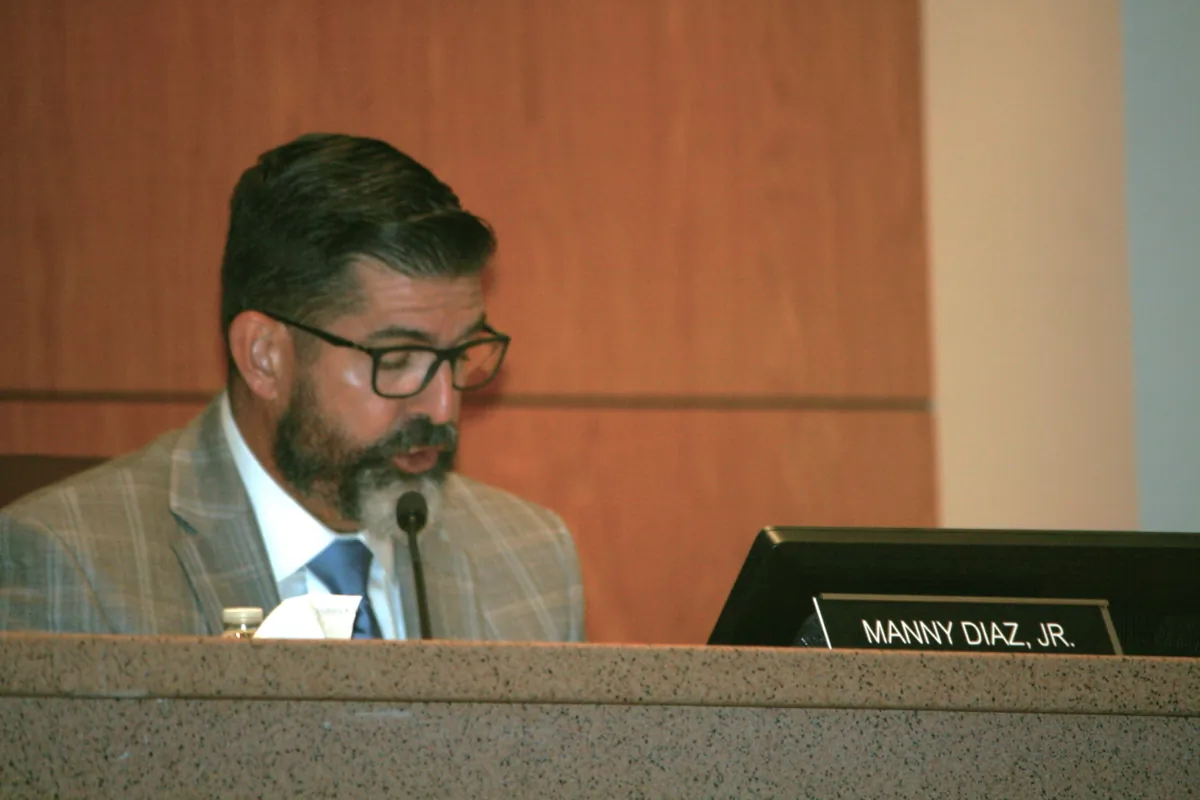
School Board Chair Teresa Jacobs wrote a letter on Nov. 15 to Florida Commissioner of Education Manny Diaz, asking for clarification on the OCS interpretation of HB 1069.
She said that OCS: “Believes that the law permits a parent to request school district employees to use pronouns which do not match the child’s biological sex at birth; and that under the Parents’ Bill of Rights, such parental requests may be honored if a school district employee so chooses.”
In Ms. Jacobs’s view, HB 1069 only prohibits “requiring” students or staff from using non-biological pronouns, but seemingly allows using these pronouns with parental and student consent.
The State Response
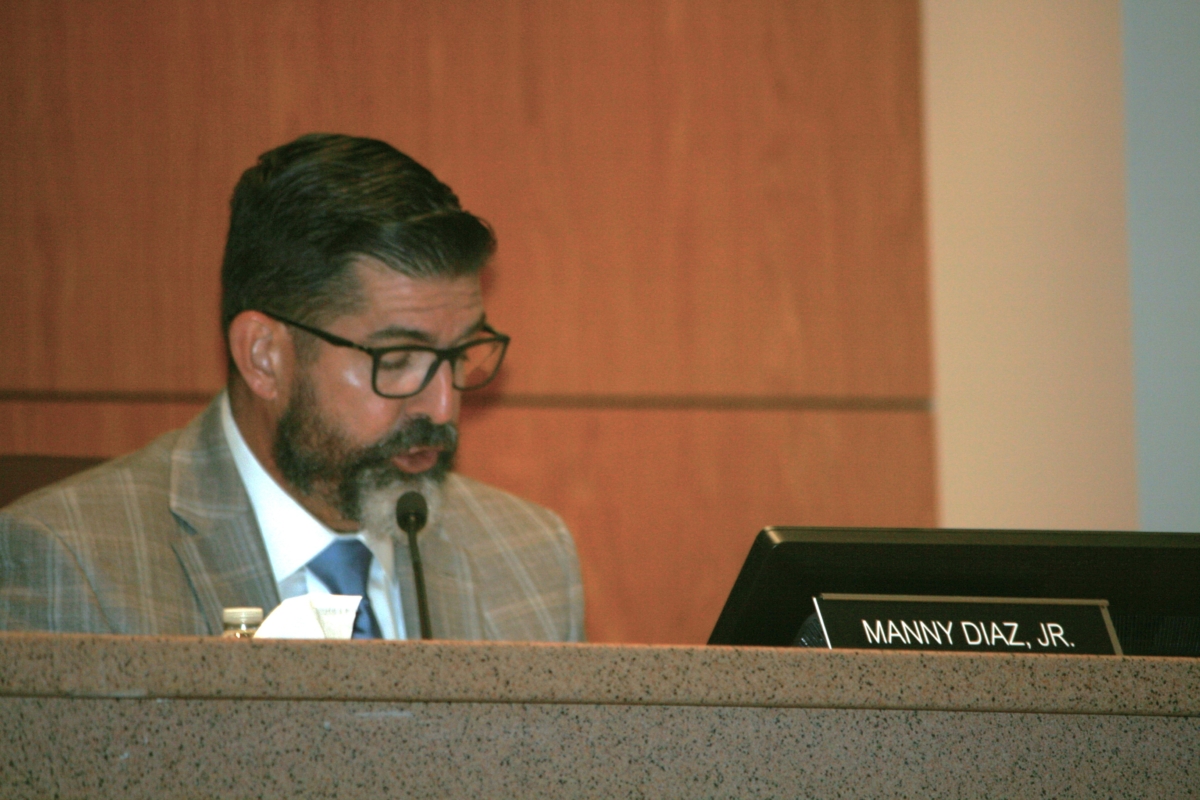
In his Nov. 16 response letter, Mr. Diaz seemed to validate Ms. Jacobs’s interpretation while defending the law.
Mr. Diaz explained that it’s clear: “A person’s sex is an immutable biological trait and that it is false to ascribe to a person a pronoun that does not correspond to such person’s sex” and that this is a “matter of truth” that until recently, was “evident to all.”
“If that [law] prohibits anything, it simply prohibits … [schools] from proclaiming as true what is false regarding a person’s biological sex,” he said.
While the law says any pronouns that do not correspond to a student or employee’s sex at birth are “false,” he asserts that the First Amendment “protects a multitude of false statements,” potentially validating Ms. Jacobs’s interpretation.
He said the statute prohibits schools from forcing staff or students to refer to one another by “false pronouns” and blocks staff from “taking an active role in exposing students to these falsities.”
However, Mr. Diaz did not directly indicate if Orange County teachers using student-preferred pronouns with parental consent were breaking the law.
The Epoch Times reached out to Mr. Diaz and the Florida Department of Education for comment.
Unless told otherwise by the state, OCS intends to implement its rules changes on Dec. 4, allowing teachers and administrators to use student-preferred pronouns if their parents provide written consent and the employees do so of their own volition.
In a similar move to Orange County, Pinellas County released its Inclusive Schools Support Guide, which allows teachers to use student-preferred pronouns if the student’s parents submit a formal request to the school.
Children can also wear clothing “not stereotypically associated with their biological sex at birth” as long as it honors the district’s dress code.
Additionally, Pinellas County is not requiring employees to notify parents when students openly indicate their “gender identity or sexual orientation.”
Pronoun Laws in Other States
Alabama was one of the first states to codify rules on schools’ use of student-preferred pronouns.
In the Cotton State, teachers and administrators must tell parents or legal guardians if their child displays or indicates a gender identity that is “inconsistent with the minor’s sex” at birth.
Arkansas, similar to Ms. Jacobs’s interpretation of Florida’s law, allows school employees to use student-preferred pronouns if they receive parents’ consent but explicitly does not require teachers to do so against their will.

Teachers and administrators are also barred from disciplining students who refer to trans-identifying students by their birth names or pronouns, which trans-activists call “deadnaming.”
Iowa is stricter than Arkansas, requiring administrators to notify parents or legal guardians if a student requests to go by names or pronouns that do not match district records.
Indiana’s law does the same, requiring schools to tell parents whenever a student asks to be called by another name or to use pronouns that do not correspond to their sex at birth.
Kentucky’s law not only bans requirements for school employees to use student-preferred pronouns but also prohibits gender identity and sexual orientation education for all grades and blocks transgender students’ use of bathrooms that do not correspond to the sex on their birth certificates, regardless of parental consent.
Ms. Jacobs said in her letter that OCS is concerned with the mental well-being of LGBT students, particularly in dealing with bullying.
“Honoring parental rights to choose their child’s pronouns will also likely help reduce bullying of the child.
“Nationally, 61 percent of transgender or nonbinary youth report being bullied, and 32 percent of transgender and nonbinary youth who were bullied attempted suicide compared to 14 percent who were not bullied,” she said, citing numbers from The Trevor Project 2021 National Survey.
The Trevor Project is a non-profit that specializes in suicide prevention for LGBT youth and operates its suicide-prevention hotline.
The Epoch Times reached out to Ms. Jacobs and the Orange County School Board for comment, but they could not be reached before publication.
 Friends Read Free
Copy
Facebook
Tweet
Friends Read Free
Copy
Facebook
Tweet