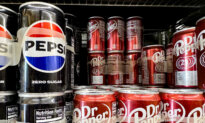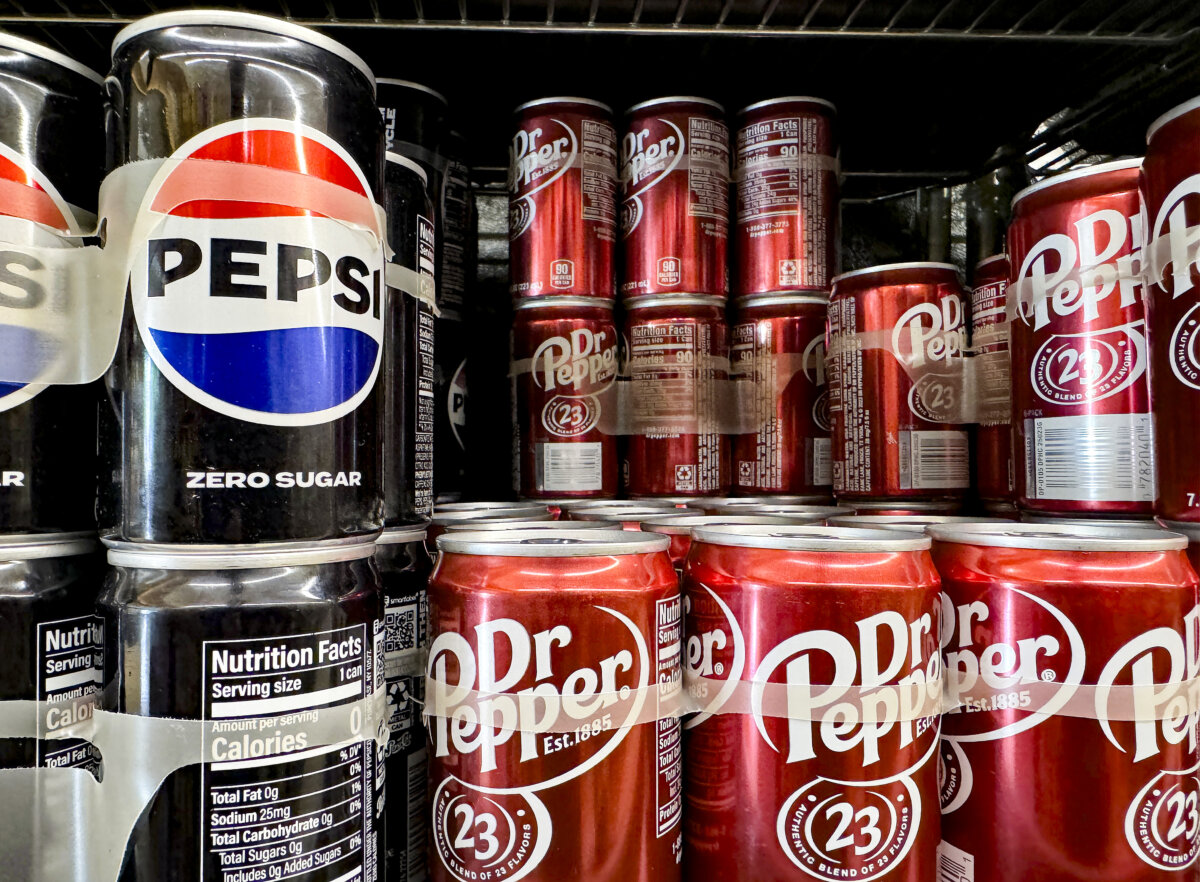

Soda purchases fell about 13 percent among Supplemental Nutrition Assistance Program (SNAP) beneficiaries after 10 states restricted purchases of sugary drinks with SNAP funds in 2026, a study found.
SNAP restriction waivers banned non-nutritious items like soda and candy to ensure that taxpayer dollars are directed toward nutritious options that improve health outcomes, the U.S. Department of Agriculture stated on its website.
An August study from the National Bureau of Economic Research—not yet peer-reviewed—evaluated the immediate effects of SNAP food restriction waivers in 10 states that implemented the bans. Researchers used a Nielsen consumer dataset of about 5,000 SNAP households from July 2025 to June 2026.
Before the ban, the average SNAP household bought about 185 ounces of soda per month. That’s about 15 cans. The 13 percent drop is about 24 ounces, or two cans less per month.
Purchases of energy drinks also decreased by 4 ounces per household per month.
The study found that even households having enough cash to offset the restrictions reduced soda consumption by 18.5 percent, down 40 ounces per month.
When states labeled soda as an unapproved purchase, it acted as a powerful psychological signal, according to the report.
Instead of bypassing the ban with cash, families reconsidered their habits. The policy changed what they viewed as appropriate foods to buy, leading to a significant drop in overall soda purchases, according to the study.
These findings indicate that simple administrative restrictions can effectively steer dietary choices and potentially improve public health outcomes, the researchers concluded.
However, it’s not clear how big the impact on sugar consumption will be. A similar study in 2024 predicted a decline of up to 20 percent in soda purchases when the soda bans went into effect, but also forecast a 7 percent increase in juice consumption.
That would mean an overall decrease of just 7 percent in the intake of sugar from beverages.
Data on the current level of juice consumption by SNAP users is not yet available.
In fiscal year 2025, SNAP distributed $102.6 billion to nearly one in eight Americans, more than 42 million people. That’s about $2,400 per person per year.Until this year, those funds could be used to purchase nearly all foods except for alcoholic beverages and hot prepared foods.
As of August, 23 states have implemented SNAP restriction waivers and prohibit recipients from purchasing junk food such as beverages and candy.
This is the first time in the program’s history that the Department of Agriculture has granted waivers allowing states to restrict SNAP benefits.
 Friends Read Free
Copy
Facebook
Tweet
Friends Read Free
Copy
Facebook
Tweet