
U.S. Supreme Court justices seemed skeptical of local governments’ claim that they can use state laws to sue oil companies over the effects of climate change.
Their comments came during oral argument on Oct. 5 in the case of Suncor Energy (U.S.A.) v. Commissioners of Boulder County, the first of the court’s new term.
The city of Boulder and Boulder County in Colorado sued oil companies, alleging they broke state laws by producing and selling hydrocarbons while concealing and misrepresenting the dangers of burning them.
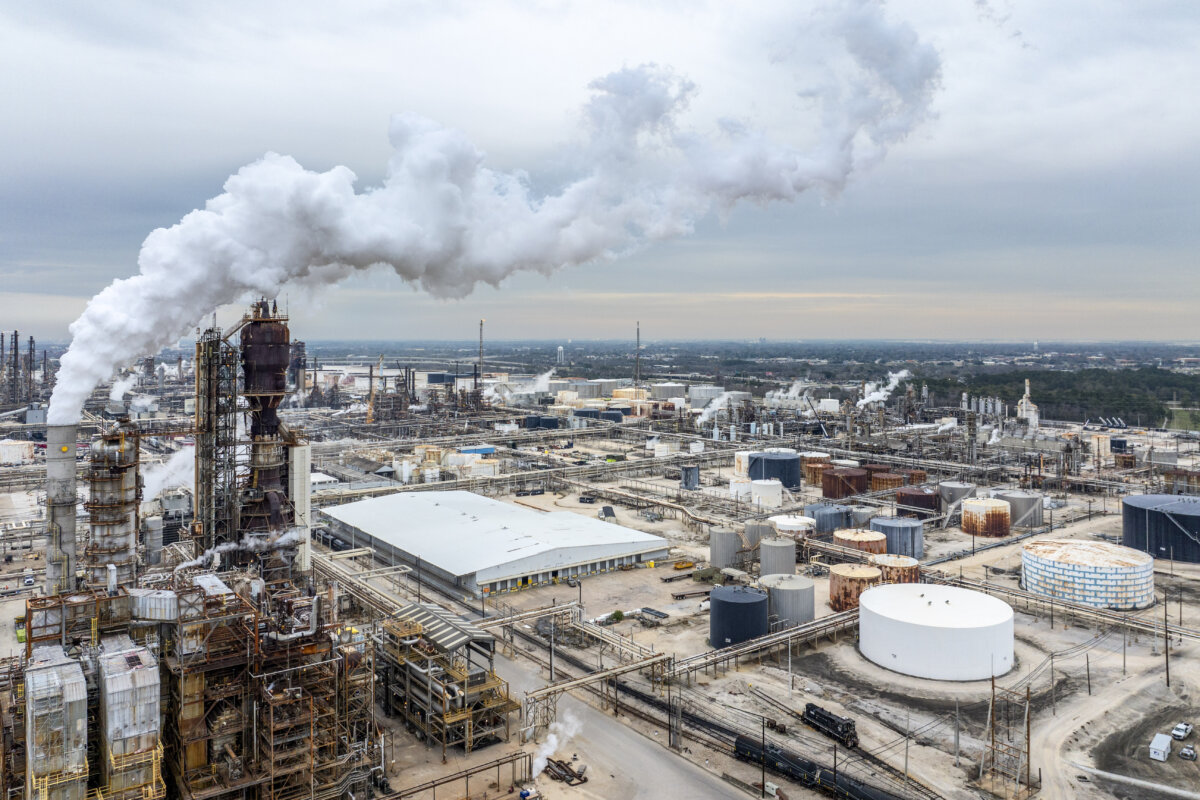
The governments say that conduct worsened climate change and caused flood damage, greater wildfire risk, drought, and harm to public buildings and infrastructure.
They want the companies to pay for the alleged damage under Colorado law, arguing that their activities were a public and private nuisance, a trespass, unjust enrichment, and a civil conspiracy.
Suncor and its co-petitioner, Exxon Mobil, argue the lawsuit is actually an attempt to regulate greenhouse gas emissions through Colorado courts.
They say that federal law already controls those emissions, primarily through the federal Clean Air Act, and that it blocks states from using their own nuisance and other laws to assign blame and damages for climate change.
Allowing Boulder to proceed, they argue, would allow one state to disrupt a national system and reach conduct that occurs across the country and abroad.
Suncor attorney Kannon Shanmugam told the justices during the oral argument that: “If Boulder’s claims are allowed to go forward, some 90,000 municipalities across the country will have the ability to make national and international energy policy.”
Justice Brett Kavanaugh said the Supreme Court has ruled four times since 1972 that the issues involved in this case are matters of federal law.
“As I read them together, [these precedents] make crystal clear that interstate air and water pollution are matters for federal law unless Congress specifically preserves state law,” the justice said. “That is through and through those four cases.”
Justice Elena Kagan compared the underlying lawsuit in the case to lawsuits against the tobacco industry decades ago.
“In multiple respects, this suit appears to be based on the old 1990s tobacco suits that were brought by states and local governments basically saying that Big Tobacco had made … misrepresentations which had caused people … to overuse the product, causing harm to those governments.”
“I suppose the opioid litigation more recently follows the same model. This is chapter 3. So if this is chapter 3, were chapter 1 and 2 also preempted?”
Justice Samuel Alito, who holds stock in energy companies, previously recused himself and did not participate in the oral argument. He did not explain the recusal.
This is a developing story and will be updated.
 Friends Read Free
Copy
Facebook
Tweet
Friends Read Free
Copy
Facebook
Tweet