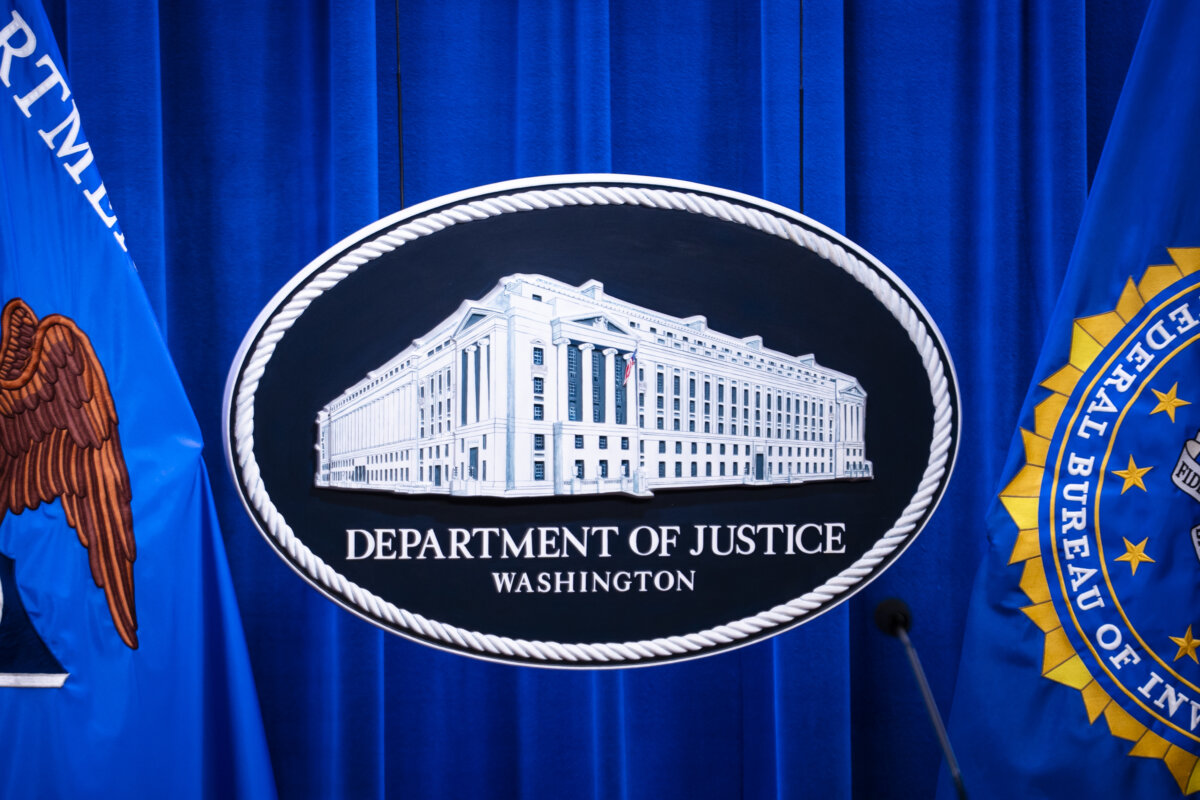

A court in Texas ordered an East Coast hospital on April 30 to comply with a subpoena from the Department of Justice (DOJ) probing misuse of prescription drugs and fraudulent billing related to minors diagnosed with gender dysphoria.
Chief U.S. District Judge Reed O’Connor took less than a day to grant the DOJ’s request to enforce the subpoena.
“The court finds that the subpoena was issued within the Department of Justice’s statutory authority, the subpoena seeks documents reasonably relevant to the investigation, and the subpoena’s demands are reasonable,” O’Connor said in his brief order.
He added that Rhode Island Hospital had not complied with the subpoena, though it had been issued in July 2025, and had not asked a court to quash it.
The DOJ’s petition, issued on April 30, did not make any specific allegations, and only asked that the hospital submit the requested information.
The Justice Department’s petition said a primary focus of its investigation—which is being carried out in Texas’ Northern District—is the alleged ongoing violation of the Federal Food, Drug, and Cosmetic Act.
That law dates back to 1938, and gives the Food and Drug Administration (FDA) control over food and medicine.
In its court filing, the department said some health care providers are using drugs as puberty-blockers or cross-sex hormones, even though that’s not their intended use.
“Although these drugs are approved by FDA for some uses, the agency has not determined that any of these drugs are safe or effective for the treatment of gender dysphoria, nor has FDA approved them for the treatment of gender dysphoria or any other psychiatric disorder.”
This distribution of drugs for purposes other than their authorized use is called “misbranding,” and the DOJ is seeking information on “who had authority to direct prescribing, billing, or marketing practices” when the drugs were given to patients to treat gender dysphoria.
The DOJ’s subpoena comes as part of a larger push by President Donald Trump’s administration to limit gender-based medical interventions in minors.
Last December, Health Secretary Robert Kennedy Jr. signed a declaration stating the federal government would no longer endorse “sex-rejecting” procedures as treatment for minors suffering from gender dysphoria.
The Centers for Medicare and Medicaid Services also proposed two new rules: One rule forbids hospitals participating in the Medicare or Medicaid programs from performing such medical interventions, and the other prohibits federal money being used to fund them.
The Federal Trade Commission has also been conducting its own investigations, to find out if these procedures are being marketed to parents and minors as a cure for gender dysphoria.
 Friends Read Free
Copy
Facebook
Tweet
Friends Read Free
Copy
Facebook
Tweet