
The New York Times on Dec. 5 asked a federal court to block the Department of War’s new rules for media outlets, arguing they violate reporters’ constitutional rights.
“The policy, in violation of the First Amendment, seeks to restrict journalists’ ability to do what journalists have always done—ask questions of government employees and gather information to report stories that take the public beyond official pronouncements,” The New York Times said in its lawsuit, filed with the U.S. District Court for the District of Columbia.
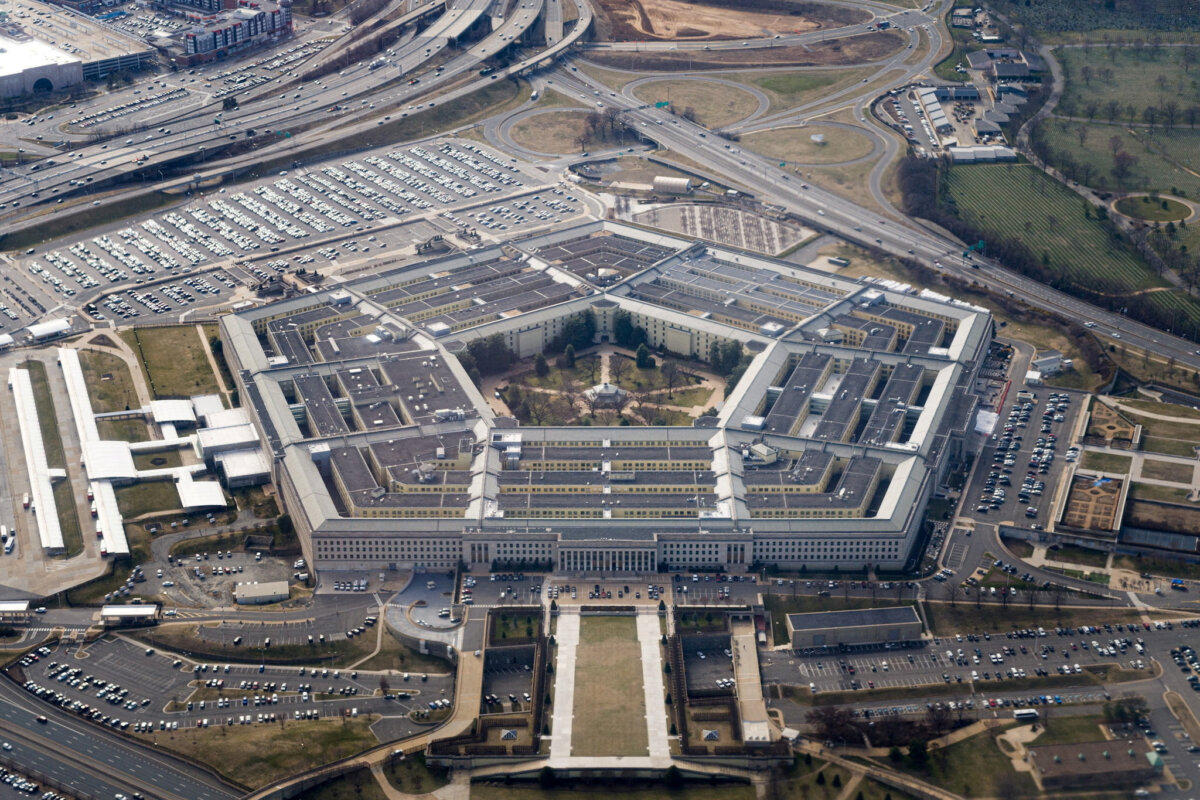
The Department of War tightened its rules for media in September after officials said reporters were roaming the halls of the Pentagon.
The new rules state in part that soliciting non-public information from department personnel or encouraging employees to break the law “falls outside the scope of protected newsgathering activities.”
They also say that reporters will be denied press passes if officials determine they pose a safety or security risk.
The New York Times took issue with a request from the Department of War for journalists to sign a paper stating they had received, read, and understood the rules. The acknowledgement also said that those signing may not agree with the policies and that signing did not waive any legal rights.
When reporters with the paper and some other outlets declined to sign the acknowledgement, the Pentagon required them to turn in their press passes, and the reporters ultimately stopped reporting from the Pentagon.
The Department of War later granted passes to various people who had not had passes, including Raheem Kassem, editor-in-chief of the National Pulse.
“Legacy media chose to self-deport from this building,” Pentagon spokeswoman Kingsley Wilson said during a briefing on Dec. 3.
Wilson said that the American public does not trust mainstream media and that “we’re welcoming new media outlets that actually reach Americans, ask real questions, and don’t pursue a biased agenda.”
“These developments place the purpose and effect of the Policy in stark relief: to fundamentally restrict coverage of the Pentagon by independent journalists and news organizations, either by limiting what kind of information they can obtain and publish without incurring punishment, or by driving them out of the Pentagon with an unconstitutional Policy,” The New York Times alleged in its complaint.
“While Plaintiffs’ enterprising reporting on the military will continue, the Pentagon’s Policy ensures the suppression of certain newsworthy information—information, for instance, gathered by directly questioning officials at press conferences or through routine unplanned interactions between journalists and Pentagon personnel on Pentagon grounds.”
“We are aware of the New York Times lawsuit and look forward to addressing these arguments in court,” Sean Parnell, the Pentagon’s chief spokesman, told The Epoch Times in an email.
The Pentagon Press Association was among the organizations to express support for the suit.
“The Pentagon Press Association is encouraged by The New York Times’s effort to step up and defend press freedom,” it said in a statement. “The Defense Department’s attempt to limit how credentialed reporters gather the news and what information they may publish is antithetical to a free and independent press and prohibited by the First Amendment.”
 Friends Read Free
Copy
Facebook
Tweet
Friends Read Free
Copy
Facebook
Tweet