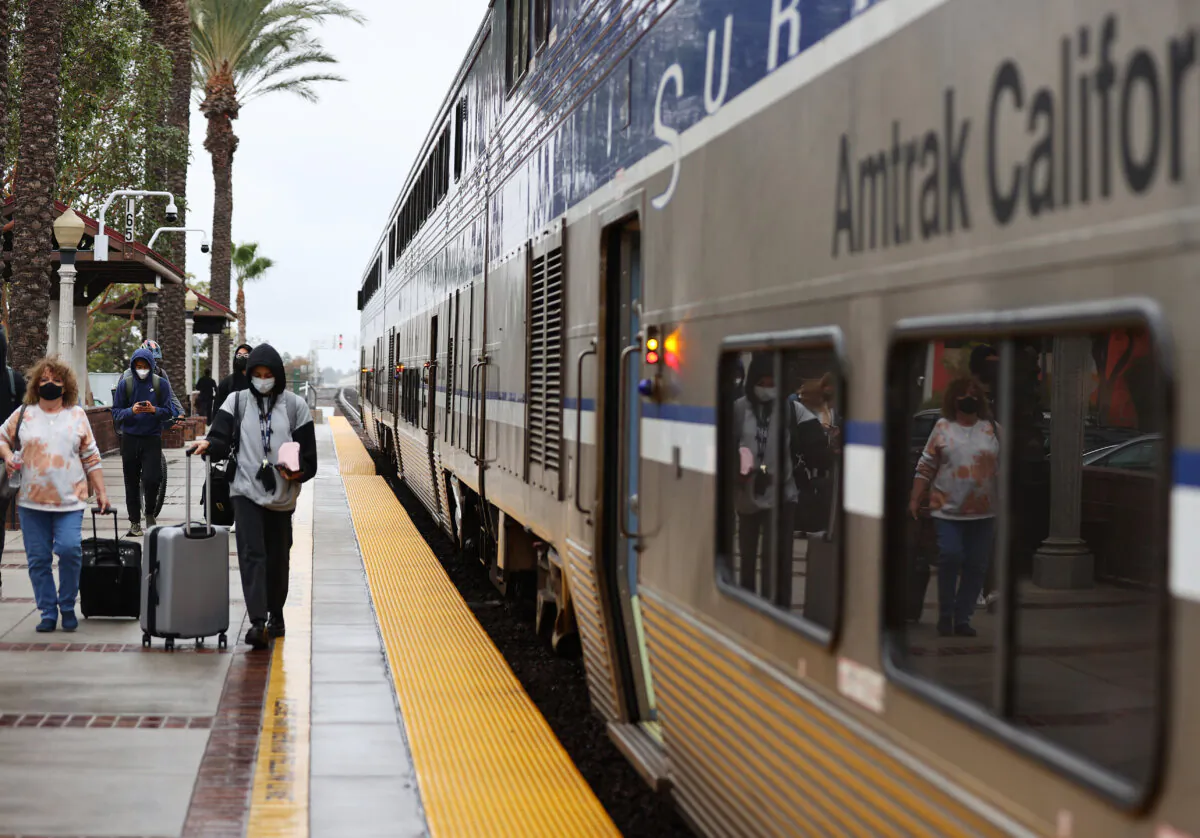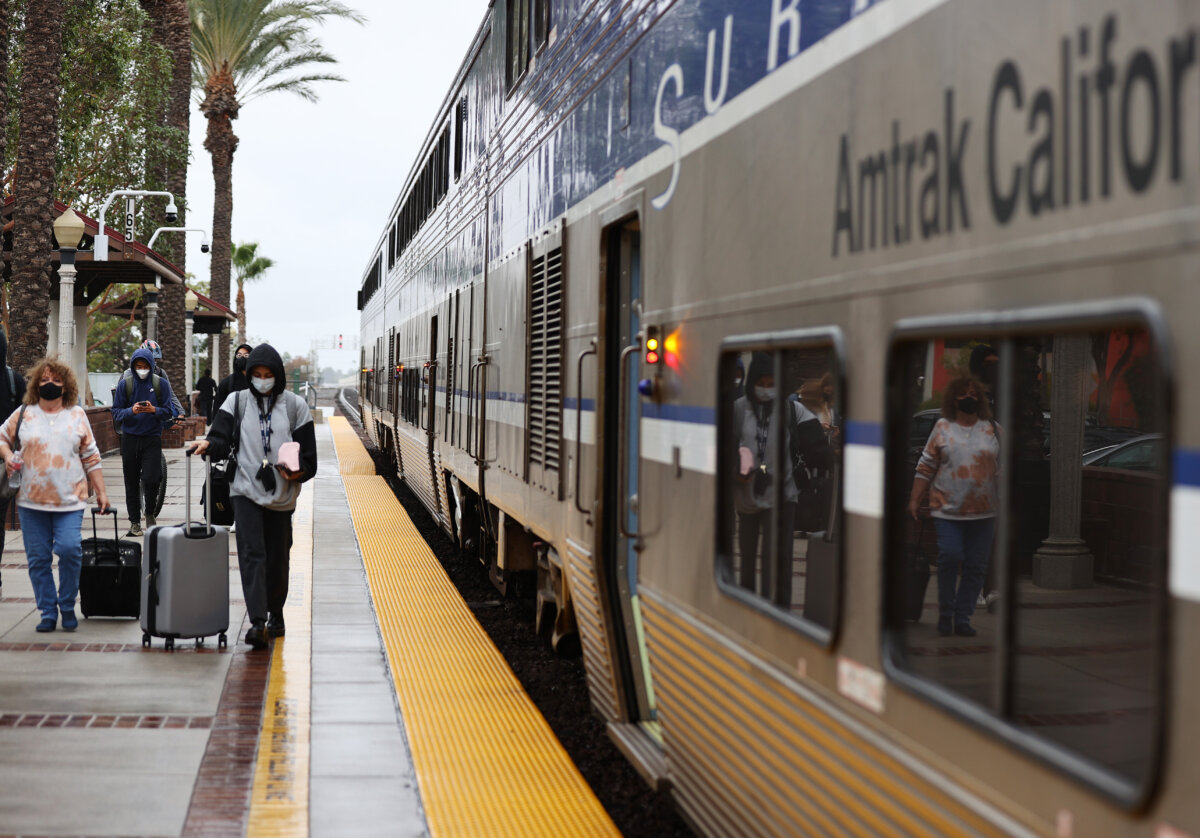

The Department of Transportation (DOT) on April 20 announced two separate investment packages totaling nearly $7 billion to enhance rail travel for American families.
The first is a $2.04 billion investment that seeks to modernize the country’s rail infrastructure, according to an April 20 statement.
DOT will use the funding to support projects that reduce congestion, improve regional railroad infrastructure, boost rider growth on passenger railroads, and develop safety programs to prevent trespassing and minimize injuries and fatalities.
According to the department, the investments will improve travel experiences for citizens and ensure that goods are transported via the rail network in an efficient, reliable, and safe manner.
“Under President Trump, America is building again,” Transportation Secretary Sean Duffy said. “This Administration is focused on improving passenger rail to help American families connect to jobs, education, and medical appointments, as well as fast tracking the movement of commerce. At USDOT, we are laser focused on ushering in the Golden Age of American rail.”
The second investment, worth $4.7 billion, will be poured into rail projects on Amtrak’s Northeast Corridor, DOT said.
“The Northeast Corridor is the busiest and most complex rail line in America,” David Fink, administrator of the Federal Railroad Administration, said.
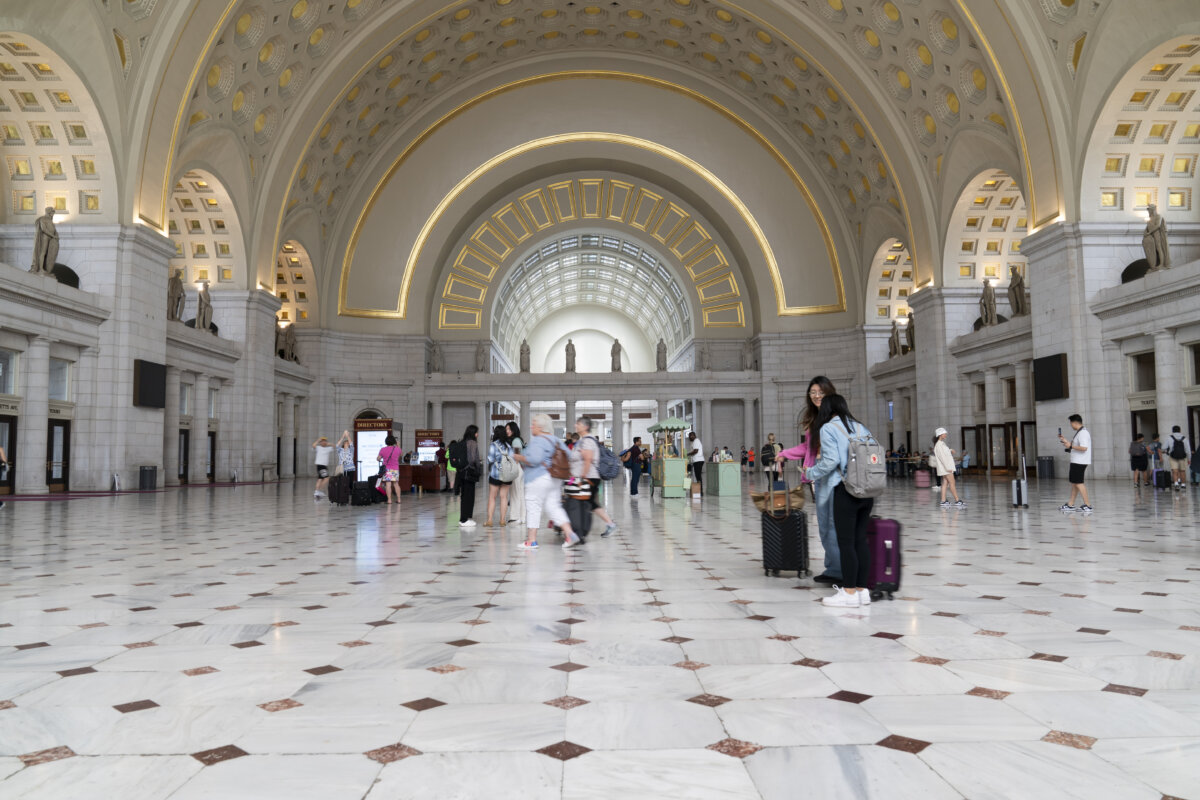
DOT expects the investment will revitalize iconic rail hubs, including the Washington Union Station and New York Penn Station.
Investments will be directed toward rebuilding rail bridge infrastructure, upgrading train station infrastructure, and streamlining rail services for travelers.
California Rail Controversy
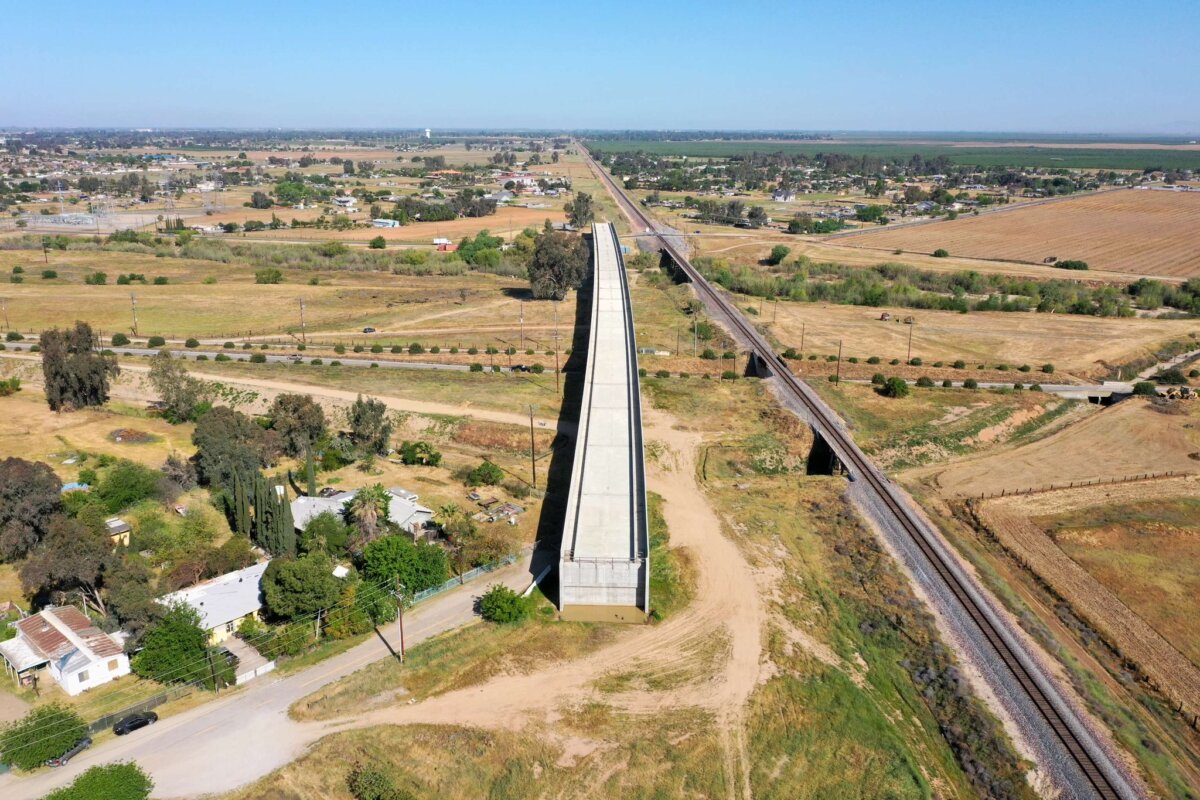
In July 2025, Duffy announced that the Federal Railroad Administration was terminating roughly $4 billion in unspent federal funding for California’s High-Speed Rail project, citing a lack of progress on the project.
After spending around $15 billion over a period of 16 years, the California High-Speed Rail Authority failed to lay a single high-speed track, the DOT said in a July 16 statement.
On July 17, California Gov. Gavin Newsom criticized the move, saying the decision to pull out federal funds came as the high-speed rail project was entering its track-laying phase.
“Trump wants to hand China the future and abandon the Central Valley. We won’t let him,” Newsom said. “With projects like the Texas high-speed rail failing to take off, we are miles ahead of others. We’re now in the track-laying phase and building America’s only high-speed rail.”
President Donald Trump justified the cancellation, saying in a post on Truth Social that the promised railroad “still does not exist, and never will.”
“This project was Severely Overpriced, Overregulated, and NEVER DELIVERED,” he wrote.
The project was approved by voters back in 2008 and was supposed to cost $33 billion and be completed by 2020.
The project has been plagued by delays and rising costs, with the estimated cost jumping to more than $120 billion. A February report from the California High-Speed Rail Authority estimates only $39.3 billion in capital funding for the project through 2045, a shortfall of more than $80 billion.
The DOT’s recent $7 billion investment announcement comes amid lingering concerns about the state of U.S. rail networks.
In a March 9 report, research institution Urban Institute warned that rail transit development in the United States has not kept up with the country’s population growth.
“Adjusted for population, the US has 7 percent fewer kilometers of operating metro lines than it did in 1990. The nation now has fewer metro kilometers per capita in operation than any other G7 nation,” the report said.
“In 1990, 4 of the world’s 14 longest metro networks—or those that include monorail, subway, elevated, and automated light metro—were located in the United States. Today, not a single US network sits on that list.”
 Friends Read Free
Copy
Facebook
Tweet
Friends Read Free
Copy
Facebook
Tweet