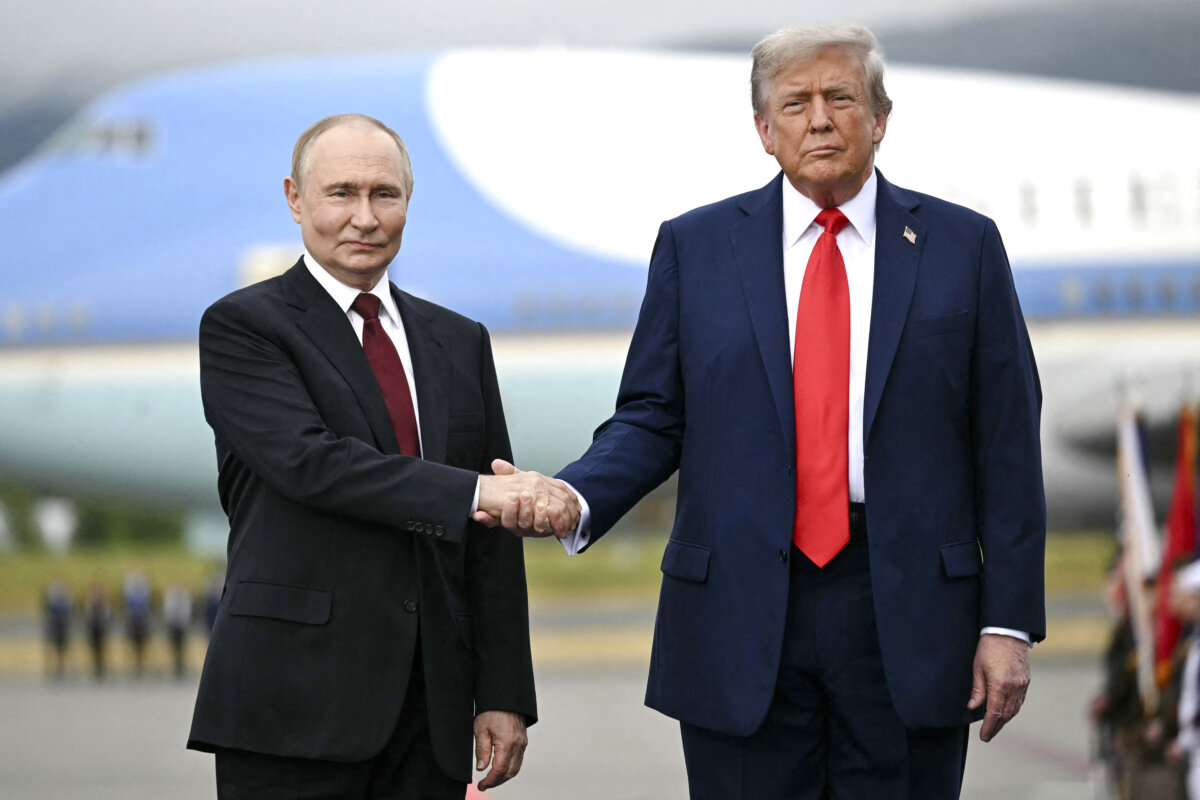
White House press secretary Karoline Leavitt said on Oct. 23 that a future meeting between President Donald Trump and Russian President Vladimir Putin is “not completely off the table.”
“I think the president and the entire administration hopes that one day that can happen again,” Leavitt told reporters during a White House press briefing. “But we want to make sure that there’s a tangible positive outcome out of that meeting and that it’s a good use of the president’s time.”
Trump and Putin were expected to meet in Budapest, Hungary, to discuss how to end the war in Ukraine, but those plans were canceled on Oct. 21, with a White House official saying there were no plans for the leaders to meet in the immediate future.
The following day, Trump said he canceled the meeting because “it just didn’t feel right to me.”
“It didn’t feel like we were going to get to the place we have to get. So I canceled it, but we’ll do it in the future,” he said.
Separately on Oct. 22, the Trump administration announced tougher sanctions on Moscow, including Russia’s two largest oil companies, Lukoil and Rosneft. The U.S. Department of the Treasury said the sanctions were “as a result of Russia’s lack of serious commitment to a peace process to end the war in Ukraine.”
Speaking to reporters at the Kremlin the following day, Putin condemned the sanctions as an “unfriendly act,” but said the measures “will not have a significant impact” on the Russian economy.
‘Action, Not Just Talk’
Leavitt said on Oct. 23 that Trump “has always maintained that he would implement sanctions on Russia when he felt it was appropriate and necessary, and yesterday was that day.”
She added that Trump had not seen enough action from Moscow in terms of moving toward a peace deal.
She also said the U.S. president has long expressed his frustration with Putin and “both sides of this war,” but “to negotiate a peace deal, both sides need to be interested in a good peace deal.”
The White House press secretary also alluded to Trump’s busy schedule and said the administration wants to ensure that any meeting added to his calendar makes the best use of his time.
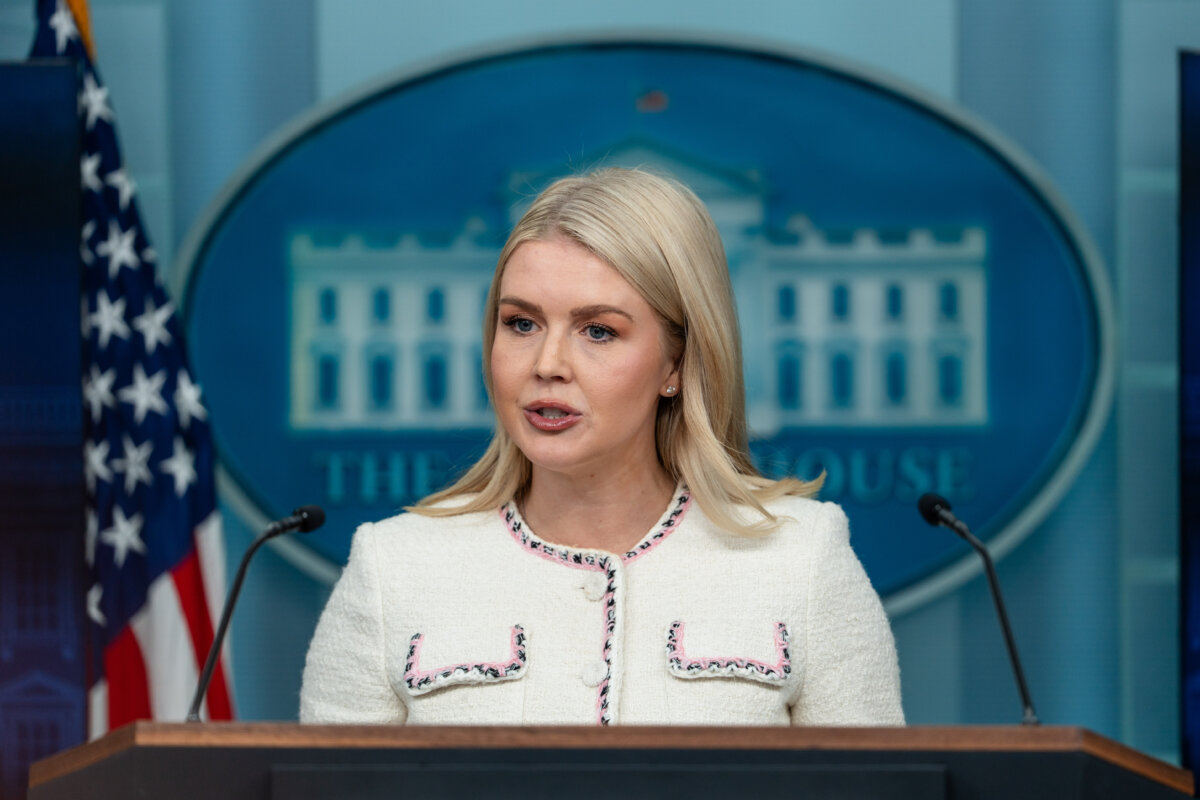
“The president wants to see action, not just talk. And I think the president is extremely motivated by the success of his peace deal in the Middle East to get things done, and he wants this war to come to an end,” she said. “He’s been saying it now for nine months being in office, and he’s grown increasingly frustrated with the lack of progress from both sides of this war.”
EU Sanctions
This week, the European Union approved its 19th wave of sanctions against Moscow since the Russia–Ukraine war began in February 2022.
The Council of the EU said on Oct. 23 that the sanctions were a response to Russia’s escalating aggression in Ukraine, particularly its attacks on civilian infrastructure.
Some of the measures include sanctioning an additional 117 vessels from Russia’s shadow fleet, bringing the total to 557. These non-EU tankers are suspected of transporting Russian oil despite sanctions being in place.
Five banks in Russia have been added to the transaction ban; full-fledged sanctions have also been imposed on the developer of a ruble-backed cryptocurrency.
The package also adds 45 entities to the list of those engaged in sanctions circumvention or in aiding Russia’s military industrial complex.
This includes 28 entities in Russia, 12 in China and Hong Kong, three in India, and two in Thailand.
“The EU is also regulating the movements of Russian diplomats to counter attempts at destabilisation. It is becoming increasingly difficult for Putin to finance his war. Every euro we deny Russia is one it cannot spend on war,” EU foreign policy chief Kaja Kallas said.
 Friends Read Free
Copy
Facebook
Tweet
Friends Read Free
Copy
Facebook
Tweet