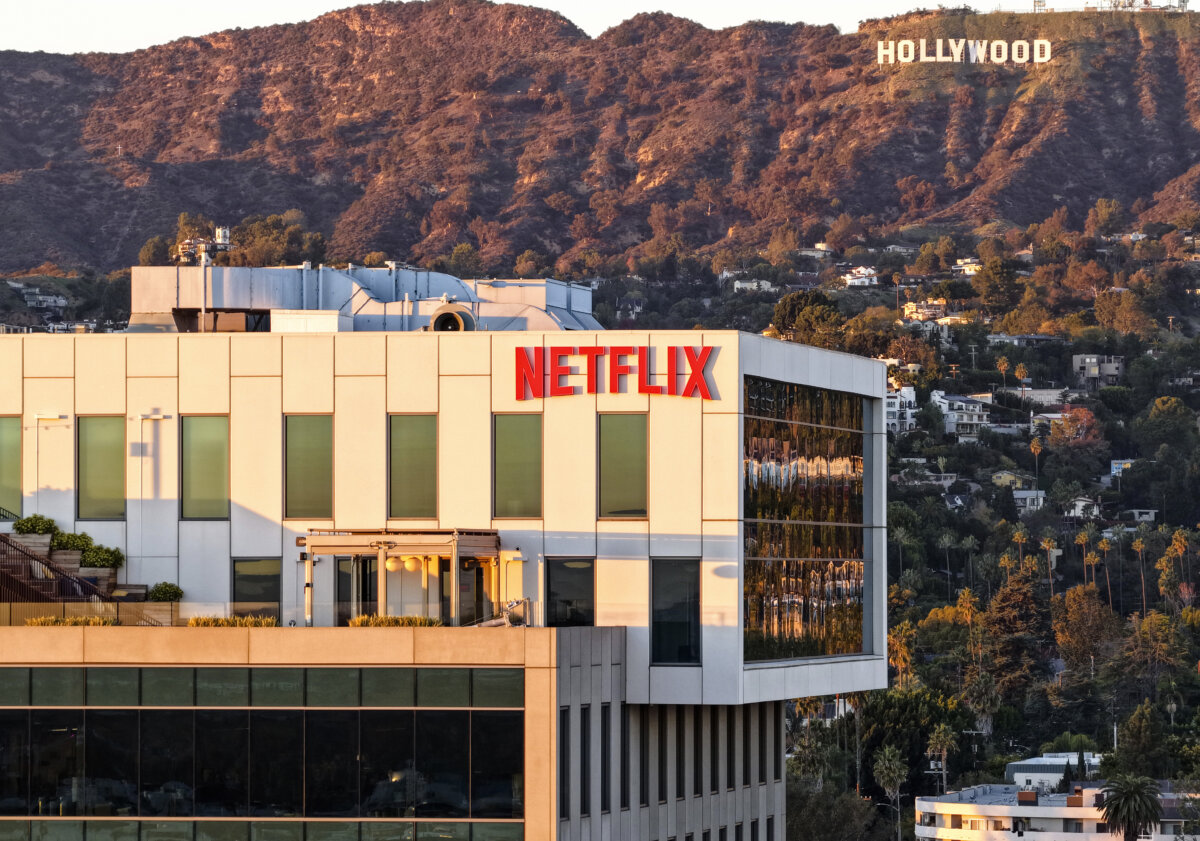

U.S. President Donald Trump said on Dec. 7 that he will play a role in determining whether Netflix’s planned acquisition of Warner Bros. Discovery should be allowed to proceed, signaling potential scrutiny of what would be one of the largest entertainment mergers in U.S. history.
Trump told reporters as he arrived at the Kennedy Center to host its annual awards show that he would “be involved in that decision.”
He added that economists would have to weigh in on the impact, noting that the merged companies would command “a big market share,” which “could be a problem.”
Trump also said the merger would “go through a process,” calling Netflix a great company and praising co-CEO Ted Sarandos as “a fantastic man.”
Netflix announced the acquisition agreement on Dec. 5. The deal values Warner Bros. Discovery at $27.75 per share, giving the company an equity value of about $72 billion and an enterprise value of about $82.7 billion. Under the plan, Warner Bros. Discovery shareholders would receive $23.25 in cash and $4.50 in Netflix stock for each share outstanding. The companies expect the deal to be completed in the third quarter of 2026.
Sarandos said in a Dec. 5 statement that Netflix’s mission “has always been to entertain the world” and argued the merger would bolster that goal by blending Warner Bros.’ catalogue—from Casablanca to Harry Potter—with Netflix’s titles such as Stranger Things and Squid Game.
“Together, we can give audiences more of what they love and help define the next century of storytelling,” he said.
Netflix co-CEO Greg Peters said the acquisition would “improve our offering and accelerate our business for decades to come.” He said Warner Bros.’ production capabilities and creative teams, combined with Netflix’s global reach, would draw more viewers and create “more value for shareholders.”
Warner Bros. Discovery CEO David Zaslav said the companies represented “two of the greatest storytelling companies in the world” and that the merger would allow iconic franchises to reach broader audiences.
Industry Groups, Regulatory Concerns
Some groups in the industry voiced opposition to the deal, calling for the merger to be blocked.
The Writers Guild of America (WGA) East and West said in a Dec. 5 statement that the acquisition exemplified the type of consolidation antitrust rules are intended to prevent.
“The world’s largest streaming company swallowing one of its biggest competitors is what antitrust laws were designed to prevent,” they said. “The outcome would eliminate jobs, push down wages, worsen conditions for all entertainment workers, raise prices for consumers, and reduce the volume and diversity of content for all viewers.”
The guild said industry workers and the public were already feeling the effects of a market in which only a few powerful companies maintained tight control over what consumers could watch on television, on streaming platforms, and in theaters.
“This merger must be blocked,” the WGA said.
Given its size, the deal could face antitrust review by the U.S. Department of Justice. Republican lawmakers in Congress have already warned that the merger could reduce consumer choice and significantly expand Netflix’s dominance.
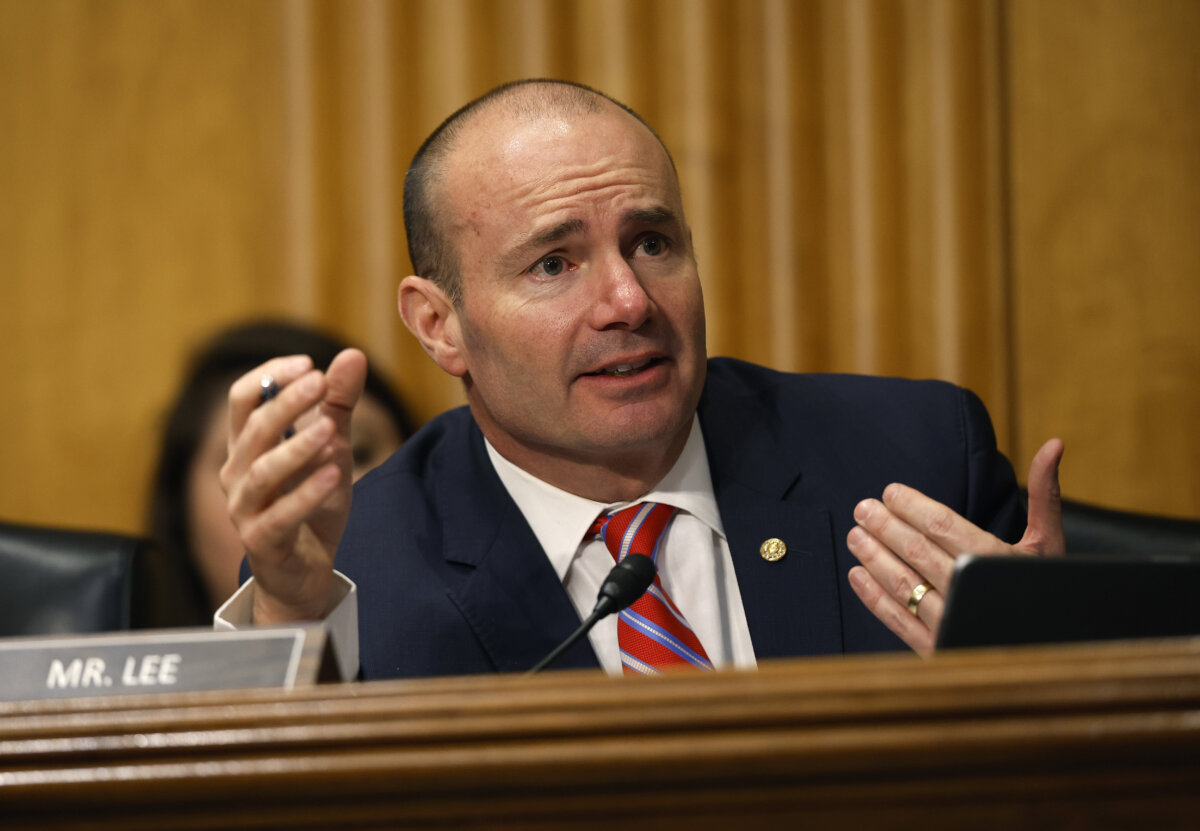
Sen. Mike Lee (R-Utah), who leads the Senate antitrust panel, said in a Dec. 4 post on X that a Netflix buyout of Warner Bros. Discovery “should send alarm to antitrust enforcers around the world.”
“Netflix built a great service, but increasing Netflix’s dominance this way would mean the end of the Golden Age of streaming for content creators and consumers,” he wrote.
Gail Slater, who leads the DOJ’s antitrust unit, said last month that her office is focusing on major household expenses. She posted a chart showing entertainment accounts for about 5 percent of U.S. household spending.
In a Nov. 17 letter to Slater, Rep. Darrell Issa (R-Calif.) said Netflix’s more than 300 million global subscribers already give it “unequaled market power,” and the merger could push it past a 30 percent streaming market share, a level he called “presumptively problematic.”
Democrats, including Rep. Pramila Jayapal (D-Wash.), co-chair of the House Monopoly Busters Caucus, called the deal a nightmare in a Dec. 5 post on X.
“It would mean more price hikes, ads, & cookie cutter content,” she said.
The Epoch Times reached out to Netflix, Warner Bros. Discovery, and the White House for comment, but did not receive a response by publication time.
 Friends Read Free
Copy
Facebook
Tweet
Friends Read Free
Copy
Facebook
Tweet