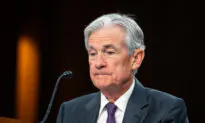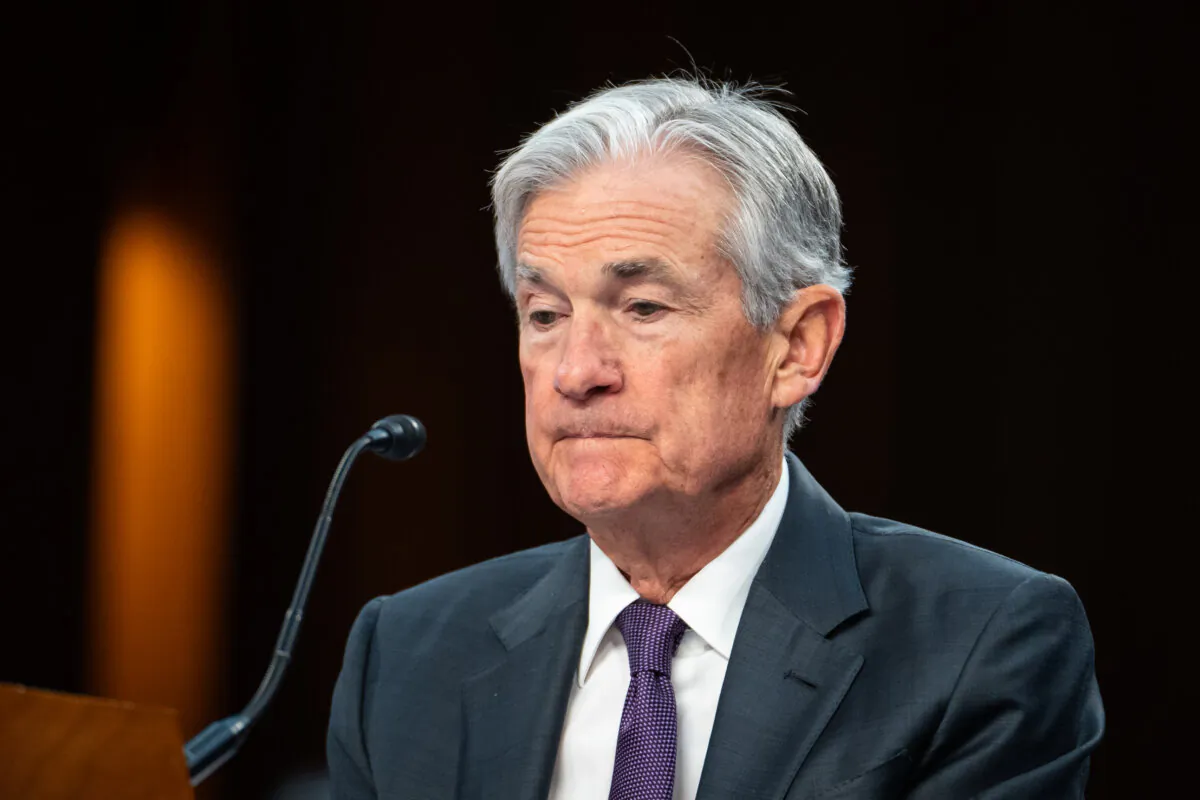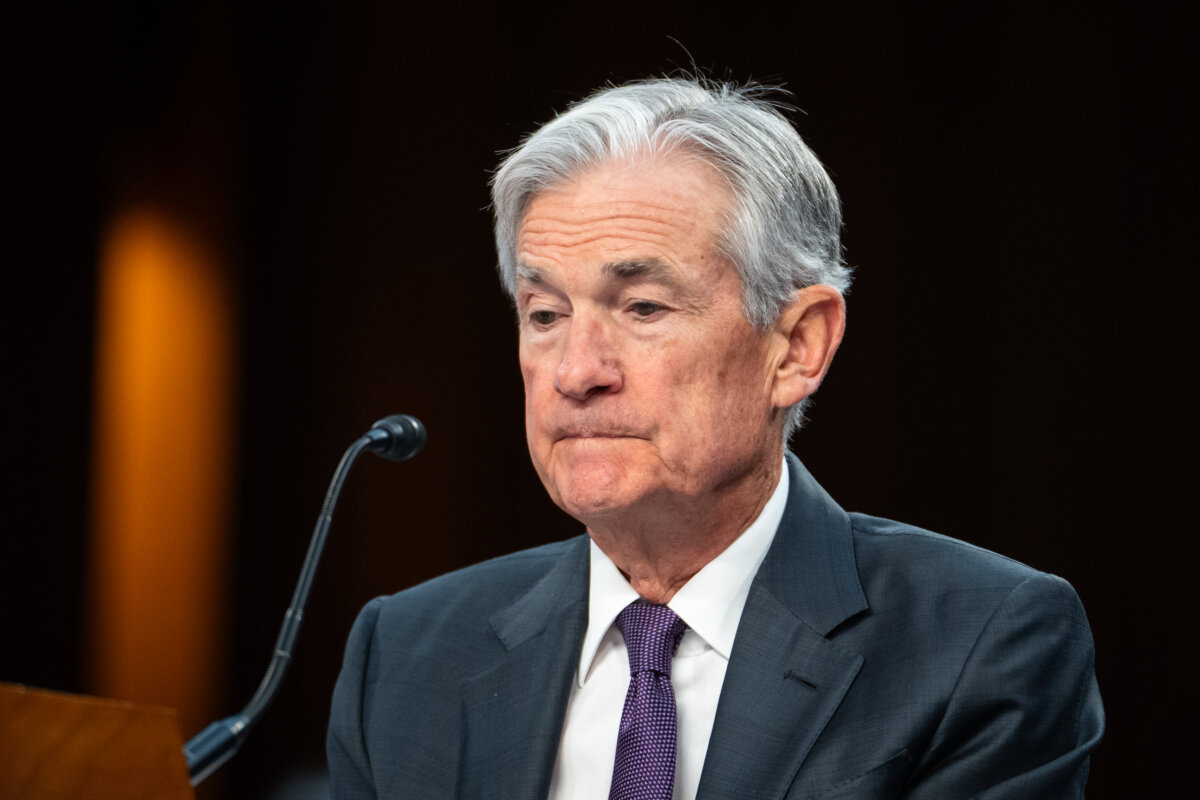

President Donald Trump has ratcheted up his criticism of Federal Reserve Chair Jerome Powell.
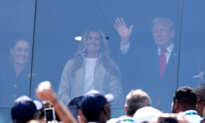
Speaking at a June 12 White House event, the president demanded again that the U.S. central bank chief lower interest rates. He projected that reducing rates by two percentage points would save the United States $600 billion annually.
“But we can’t get this guy to do it,” Trump said.
The president reiterated his position that he would be fine with it if the Fed were to raise interest rates if inflation were rising.
“But it’s down … and I may have to force something,” he said.
He also confirmed again that he will not fire the Fed chief.
“The fake news is saying: ‘Oh, if you fired him, it would be so bad. It would be so bad,'” Trump said. “I don’t know why it would be so bad, but I’m not going to fire him.”
Following this week’s better-than-expected inflation data, Powell has come under pressure from Trump and other senior administration officials to follow through on rate cuts.
In a June 11 post on social media platform X, Vice President JD Vance criticized the Fed’s policy direction.
“The president has been saying this for a while, but it’s even more clear: the refusal by the Fed to cut rates is monetary malpractice,” Vance said.
Commerce Secretary Howard Lutnick told Fox News host Laura Ingraham on June 11 that Americans would save money if Powell were to cut interest rates.
“The economy is ready for it. It’s easy. Inflation is low,” Lutnick stated. “Come on. He’s got to do his job soon.”
Watching Inflation and the Fed
Remarks from the White House come as the Bureau of Labor Statistics reported that consumer and wholesale prices rose by 0.1 percent month over month in May, below the consensus estimate of 0.2 percent.
Despite the positive inflation numbers, investors overwhelmingly expect the Fed to leave the benchmark federal funds rate—the policy rate that influences consumer borrowing costs and the U.S. government’s interest costs—unchanged at a range of 4.25 to 4.5 percent at next week’s meeting.
Fed officials have indicated that they can afford to be patient before cutting interest rates, as economic activity remains robust and the national labor market is holding steady. Monetary policymakers are waiting to determine any adverse effects from the president’s sweeping global tariffs.
In recent weeks, Powell has expressed concern that the administration’s tariff plans could threaten the institution’s dual mandate—maximum employment and price stability—simultaneously.
“We may find ourselves in the challenging scenario in which our dual-mandate goals are in tension,” Powell said in a speech at an April 16 event hosted by the Economic Club of Chicago.
“If that were to occur, we would consider how far the economy is from each goal, and the potentially different time horizons over which those respective gaps would be anticipated to close.”
According to data from the CME FedWatch Tool, the futures market is predicting a 76 percent chance of a September cut.
At a Senate Finance Committee hearing on June 12, Bessent touted the inflation data, attributing the downward trend to Trump’s economic agenda.
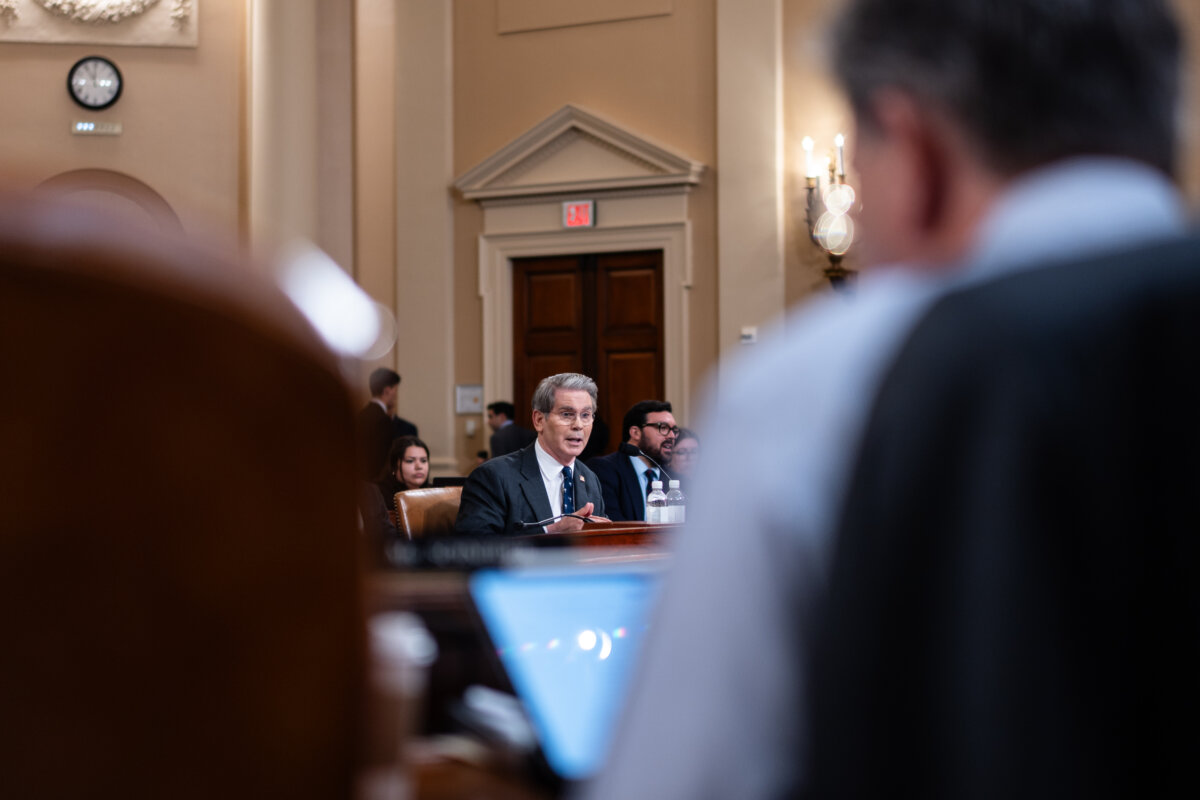
“After four years of price increases diminishing the U.S. standard of living, inflation is showing substantial improvement due to the administration’s policies,” Bessent told lawmakers.
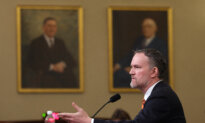
Bessent, speaking to lawmakers at a June 11 House Ways and Means Committee hearing, dismissed the idea of becoming the next head of the Federal Reserve System.
While the secretary said he is “happy to do what President Trump wants” him to do, he prefers to stay in his current role through 2029 to enact the president’s agenda.
Trump told reporters aboard Air Force One on June 6 that he would decide on Powell’s successor “very soon.”
The Fed chair’s term is set to expire next year.
Former Fed Gov. Kevin Warsh is considered a front-runner.
“He’s very highly thought of,” Trump said of Warsh.
According to Polymarket, National Economic Council Director Kevin Hassett is listed at the top in the betting markets, with a 24 percent chance. This is followed by Warsh (18 percent), Bessent (13 percent), and economist Judy Shelton (9 percent).
 Friends Read Free
Copy
Facebook
Tweet
Friends Read Free
Copy
Facebook
Tweet