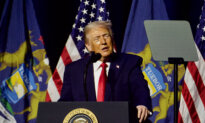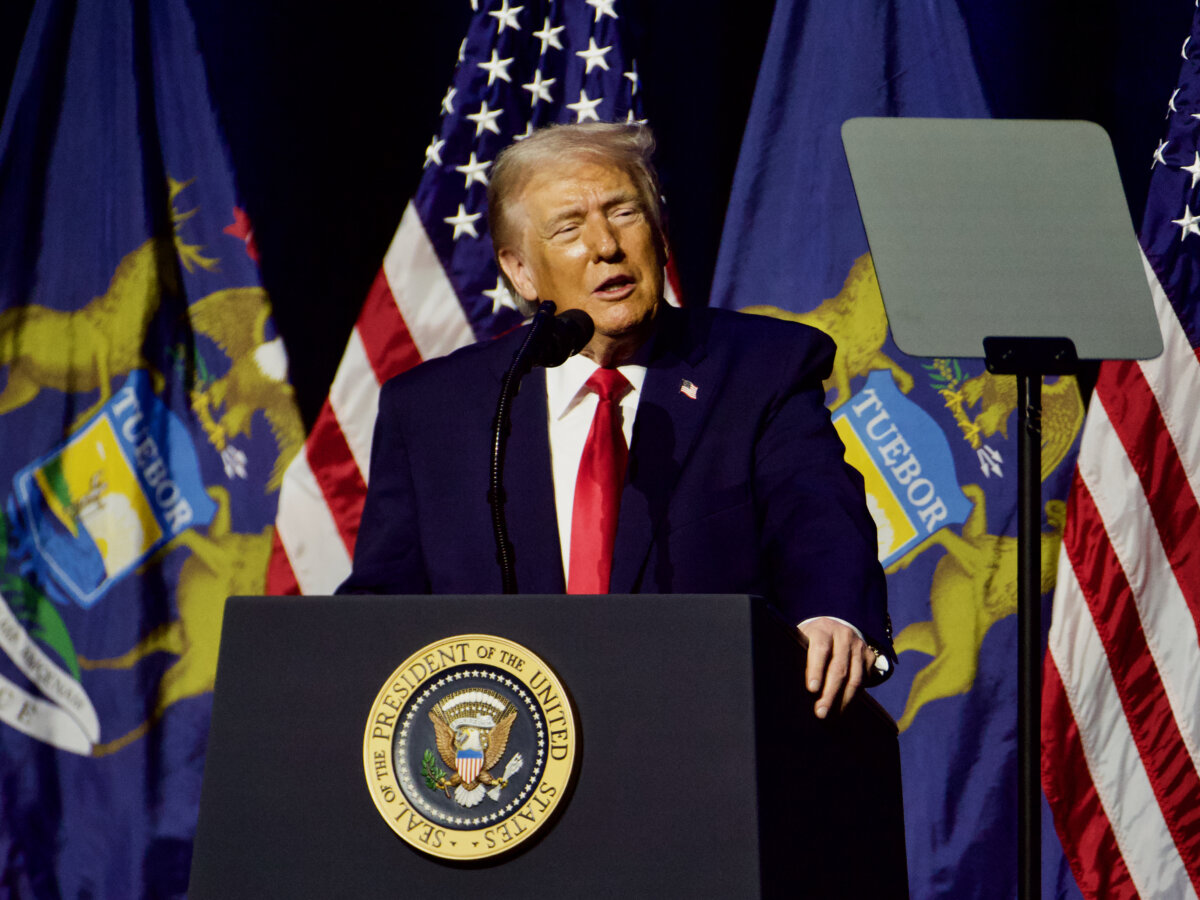

President Donald Trump dropped hints of an upcoming health care affordability plan in remarks to the Detroit Economic Club on Jan. 13.
“Later this week, I’ll announce our health care affordability framework that will reduce premiums for millions of Americans, lower drug prices, deliver price transparency, and demand honesty and accountability from insurance companies all over the country, all over the world,” Trump said.
“One of our top priorities in this mission is promoting greater affordability.”
Health care affordability has become a major political issue as the country prepares for midterm elections.
Democrats have focused on the expiration of the Affordable Care Act’s enhanced premium tax credits.
Their effort to make the enhanced subsidies permanent failed to advance in the Senate despite Democrats’ willingness to withhold government funds during a shutdown that lasted for more than 40 days in late 2025 in an effort to push Republicans to negotiate.
The issue gained momentum in the House in January as 17 Republicans, mostly from swing districts, joined Democrats in passing a three-year extension of the enhanced subsidies.
“Democrats are going to make health care and other high costs … the number one issue for all of 2026,” Senate Minority Leader Chuck Schumer (D-N.Y.) told reporters on Jan. 8.
Trump said his administration has taken steps to lower prescription drug prices.
“Health care costs will come down very fast with my most-favored-nation executive order,” Trump said. “We’re standing up to special interests in slashing prescription drug prices.”
The plan calls for pharmaceutical manufacturers to offer their lowest price on drugs to Medicaid customers, as well as to sell some drugs directly to U.S. patients at lower prices, introduce any new medications into the U.S. market at the lowest available price, and reinvest revenue realized from higher drug prices in other developed nations into the U.S. economy.
The policy is aimed at leveling prices between the United States and other developed nations, which have long enjoyed a price advantage over the United States.
Fifteen drugmakers have agreed to the terms of the most-favored-nation policy since Sept. 30, the latest being Johnson & Johnson on Jan. 8.
On Dec. 1, 2025, the U.S. Trade Representative and the departments of Commerce and Health and Human Services entered an agreement with the UK that will increase the price of new prescription drugs in that country by 25 percent.
“Your drug prices are going to go down, like, from $100 to $10,” Trump said.
Price transparency is another key initiative of the Trump administration’s health policy.
The first Trump administration instituted a requirement that hospitals reveal their prices to the public. Hospitals and insurers have not fully complied.
“[The files are] terabytes or petabytes in size and are unreadable unless you have an expensive data server and coding program,” Andrew Bremberg, director of the Domestic Policy Council in the first Trump administration, told The Epoch Times.
The Trump administration proposed an updated transparency rule in December 2025.
 Friends Read Free
Copy
Facebook
Tweet
Friends Read Free
Copy
Facebook
Tweet