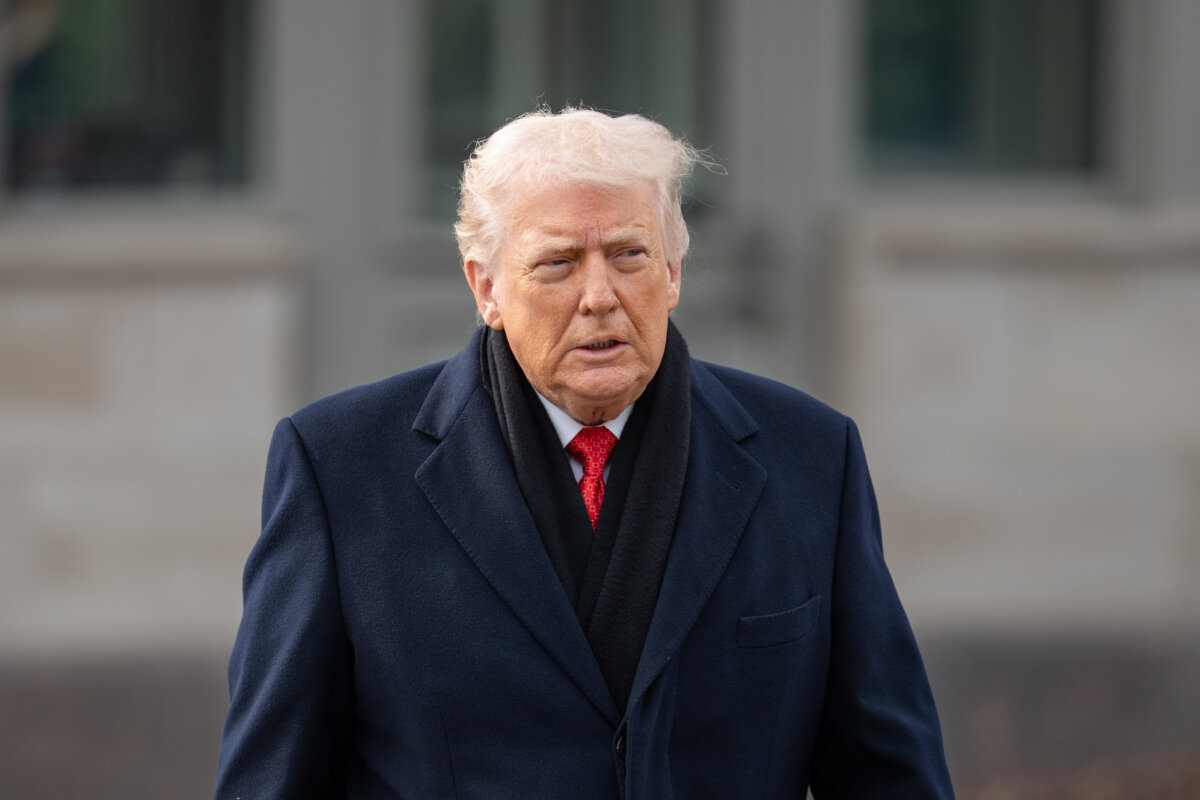

The Trump administration has warned Iran against targeting American military bases, saying any attack on U.S. assets would be met with “very, very powerful force,” as tensions remained elevated amid Iran’s deadly clampdown on nationwide protests and escalating threats from senior Iranian officials.
In a post on X on Jan. 17, the State Department’s Persian-language account said Washington was closely monitoring reports that Tehran may be preparing options to strike U.S. installations in the region.
“We have heard reports that the Islamic Republic is preparing options to target U.S. bases,” the account said, adding that President Donald Trump has repeatedly emphasized that “all options remain on the table.”
“If the Islamic Republic regime attacks U.S. assets, the Islamic Republic will face ‘very, very powerful force,’” the post said, quoting Trump. “We have said this before, and we say it again: do not play games with President Trump.”
The warning came as Iranian officials blamed foreign actors for violence linked to protests that rights activists say have killed more than 3,000 people, and as senior figures in Iran’s Islamic Revolutionary Guard Corps (IRGC) issued their own threats against Trump.
Mohsen Rezaei, a senior IRGC general and member of Iran’s Expediency Council, issued a direct warning aimed at Trump on Jan. 15, saying Iran would retaliate if attacked and that U.S. military sites would not be safe.
“Trump has said his hand is on the trigger. We will cut off his hand and his finger,” Rezaei said on Jan. 15, according to the Iran International news agency.
Rezaei added that Iran would no longer accept a cease-fire if the country is attacked.
“If we move forward, there will be no talk of a ceasefire anymore,” he said. “You do not pay attention to the restraint and strategic patience we have shown. Stop right now. Step back, otherwise none of your bases in the region will be safe.”
Trump has repeatedly hinted at possible military action against Iran over the bloody protest crackdown.
US Military Footprint in Middle East
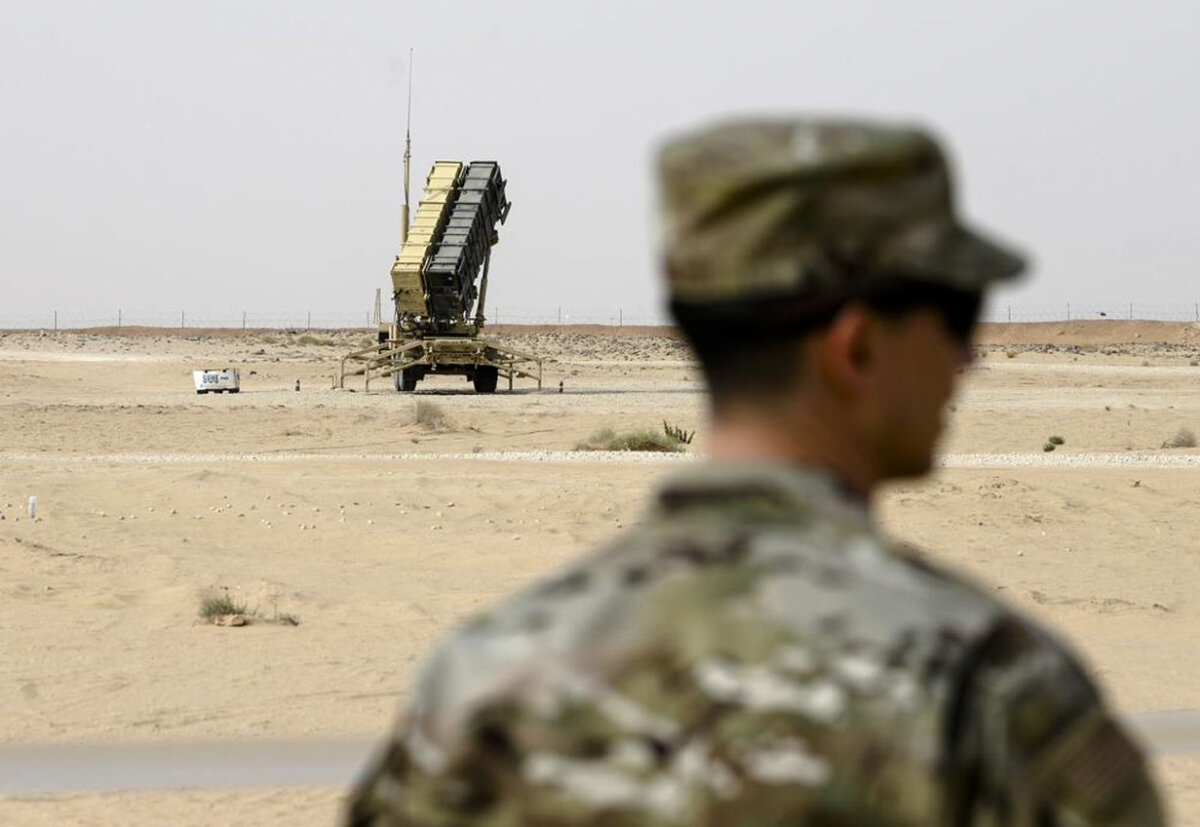
The United States maintains an extensive military presence across the Middle East, operating facilities at more than a dozen locations and relying on major bases that support regional air, naval, and intelligence operations.
Al Udeid Air Base in Qatar is the largest U.S. military facility in the Middle East and has at times housed more than 8,000 U.S. service members alongside hundreds of coalition troops.
In June, Iran launched several ballistic missiles at Al Udeid two days after U.S. airstrikes on Iranian nuclear facilities, underscoring the base’s strategic importance and its potential role in any broader escalation.
The U.S. Mission to Saudi Arabia on Jan. 14 urged Americans in the kingdom and the region to take additional precautions and avoid non-essential travel to U.S. military installations, citing heightened tensions.
In a security alert, the mission said personnel had been advised to “exercise increased caution and limit non-essential travel to any military installations in the region,” and recommended American citizens take the same precautions.
It said consular services were continuing and staffing was unchanged, while urging travelers to review security alerts and consider disruptions to travel plans.
Protest Crackdown Fuels International Pressure
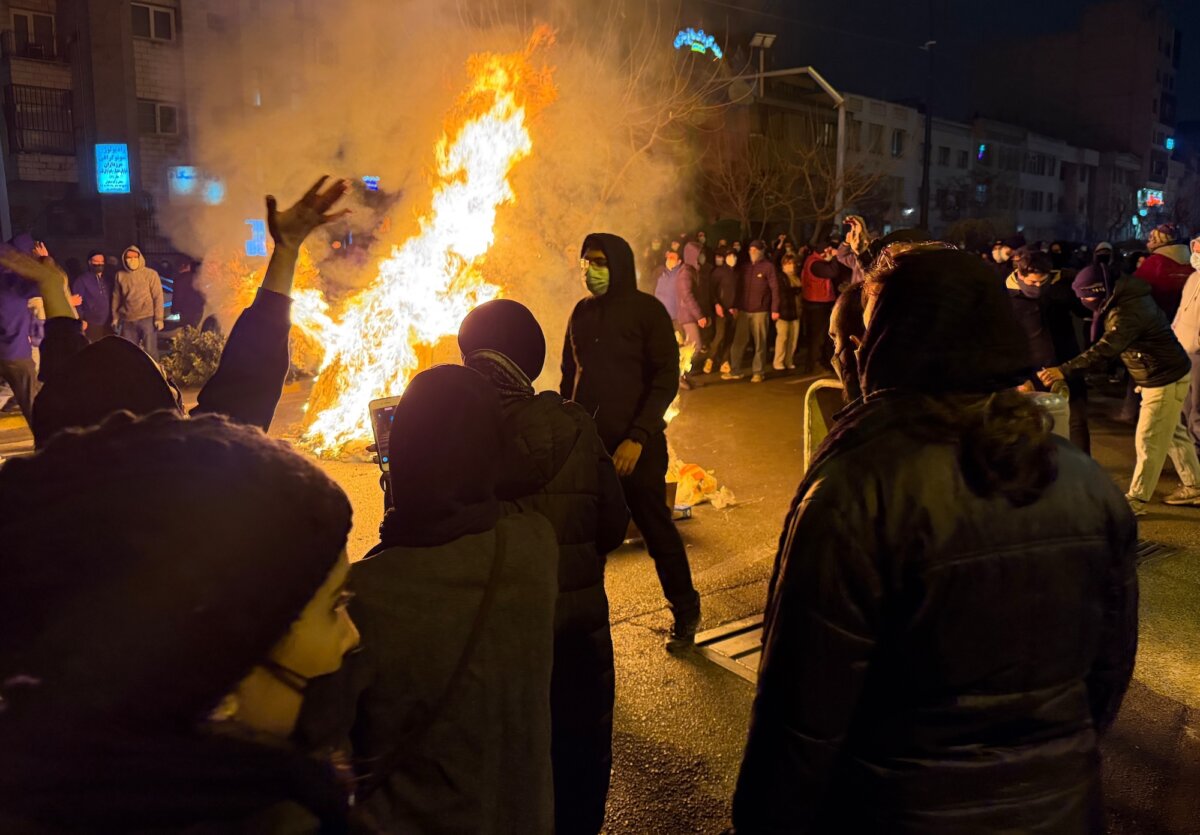
The warning over U.S. bases came as rights activists reported a sharp rise in the death toll from protests that began on Dec. 28, 2025, over economic hardship and rapidly grew into nationwide demonstrations calling for the end of clerical rule.
The U.S.-based Human Rights Activists News Agency (HRANA) said on Jan. 16 that it had verified 3,090 deaths, including 2,885 protesters, by the end of the protests’ 20th day. HRANA said 165 members of government or security forces and 21 non-protesting civilians were also killed, and that at least 19 children were among the dead.
Iran has not released official casualty figures. Authorities deny widespread killings of peaceful protesters, blaming much of the violence on what they describe as armed rioters and terrorist groups backed by foreign powers.
Residents contacted in Tehran and other cities said there had been no sign of new large-scale protests in recent days and that a sweeping security clampdown appeared to have broadly quelled demonstrations for now, as Iranian state media reported fresh arrests and officials signaled further punitive measures against detainees.
Khamenei Blames US for Unrest
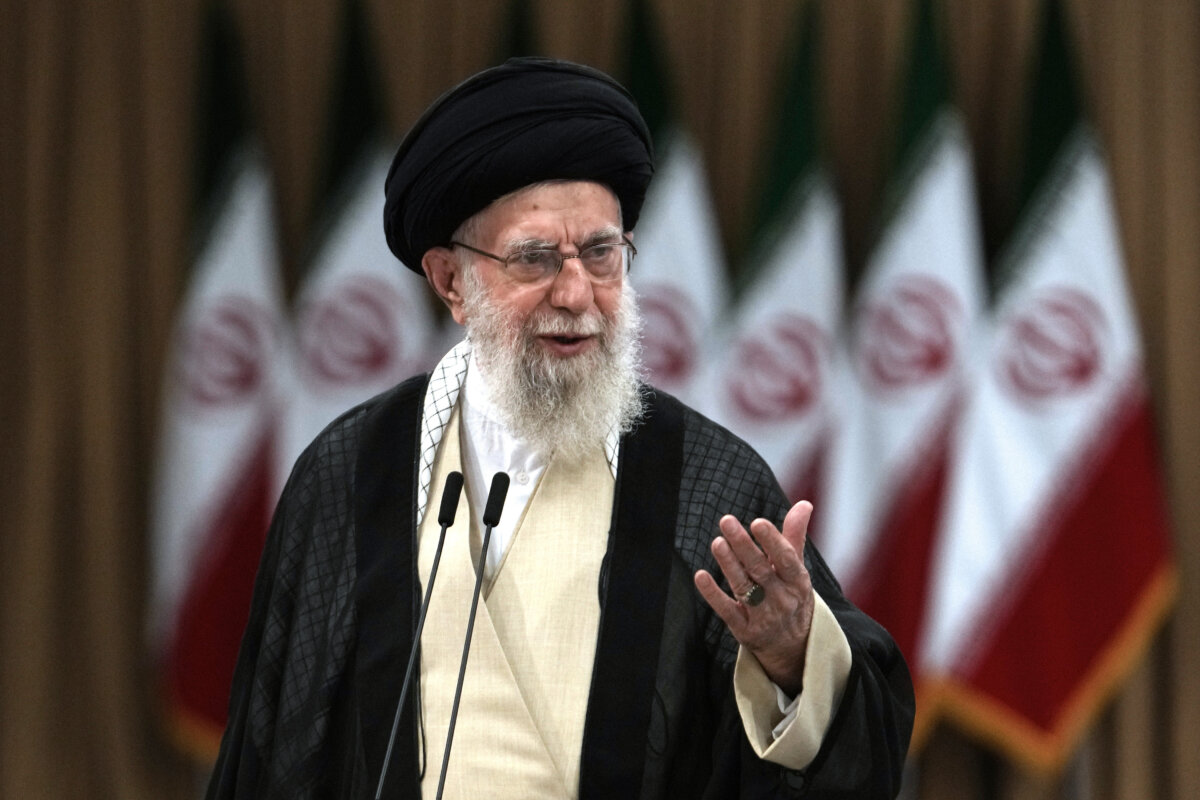
Iran’s Supreme Leader Ayatollah Ali Khamenei escalated his rhetoric against the United States on Jan. 17, accusing Trump personally of orchestrating unrest and committing crimes against the Iranian nation, according to remarks carried by the semi-official Tasnim news network.
“The recent sedition was an American sedition, and America’s goal is to swallow Iran,” Khamenei said at a meeting with thousands of supporters, according to Tasnim.
“In the recent sedition, the President of the United States personally intervened, spoke, threatened, encouraged, and supported the seditionists,” he said.
“The Iranian nation broke the back of the sedition, and will also break the back of the seditionists.”
Khamenei also acknowledged economic pressures that initially triggered the unrest.
“The economic situation of the people truly has problems, and government officials must work twice as hard in this regard,” he said.
Clerics Demand Executions, Threaten ‘Hard Revenge’
Hard-line officials and clerics have also called for harsher punishment of detained protesters, including executions.
Ayatollah Ahmad Khatami, a senior cleric and member of Iran’s Assembly of Experts and Guardian Council, called for the death penalty for detained demonstrators in a sermon broadcast on Jan. 16 by Iranian state radio. The sermon sparked chants from worshippers, including “armed hypocrites should be put to death!”
Khatami accused protesters of being the “butlers” of Israeli Prime Minister Benjamin Netanyahu and “Trump’s soldiers,” warning both leaders to await “hard revenge from the system.”
“Americans and Zionists should not expect peace,” he said.
Reuters and The Associated Press contributed to this report.
 Friends Read Free
Copy
Facebook
Tweet
Friends Read Free
Copy
Facebook
Tweet