
A U.S.-led team successfully removed about 30 pounds of highly enriched uranium from Venezuela earlier this month in a secret mission, the U.S. State Department announced May 14.
“By leading the removal of dangerous nuclear material from Venezuela, the United States is safer and has strengthened nuclear security worldwide,” State Department spokesman Thomas Pigott said in a statement.
The enriched uranium was removed from Venezuela’s shuttered RV-1 research reactor, which was the country’s first and only nuclear reactor.
Venezuela built the reactor for scientific research and later repurposed it for gamma-ray sterilization of medical supplies, food, and other materials.
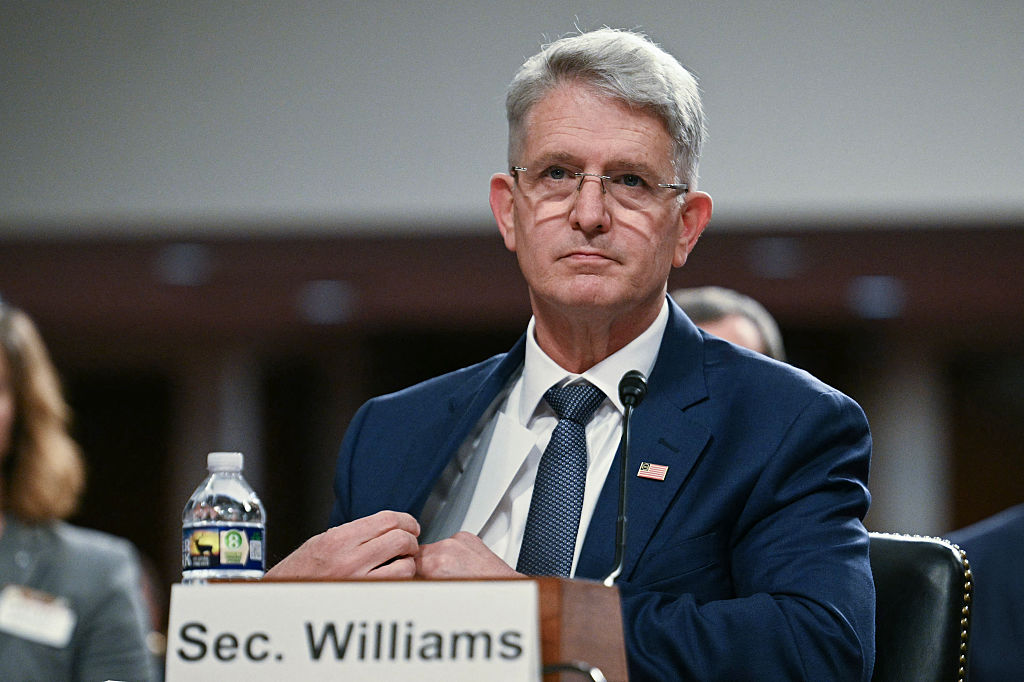
“The safe removal of all enriched uranium from Venezuela sends another signal to the world of a restored and renewed Venezuela,” said Brandon Williams, National Nuclear Security Administration (NNSA) administrator, in a statement.
The pool-type reactor was designed by General Electric and operated from 1961 to 1991.
For decades, the reactor supported physics and nuclear research. After that work was done in 1991, the uranium, which was enriched above the crucial 20 percent threshold, became surplus material, according to the NNSA.
In late April, Venezuela packaged and prepared the uranium for transportation from the research reactor.
The NNSA’s Office of Defense Nuclear Nonproliferation worked with state department officials in Washington, D.C., Caracas, and experts in the UK, the Venezuelan Ministry of Science and Technology, and the International Atomic Energy Agency (IAEA) to prepare a site for removal planning.
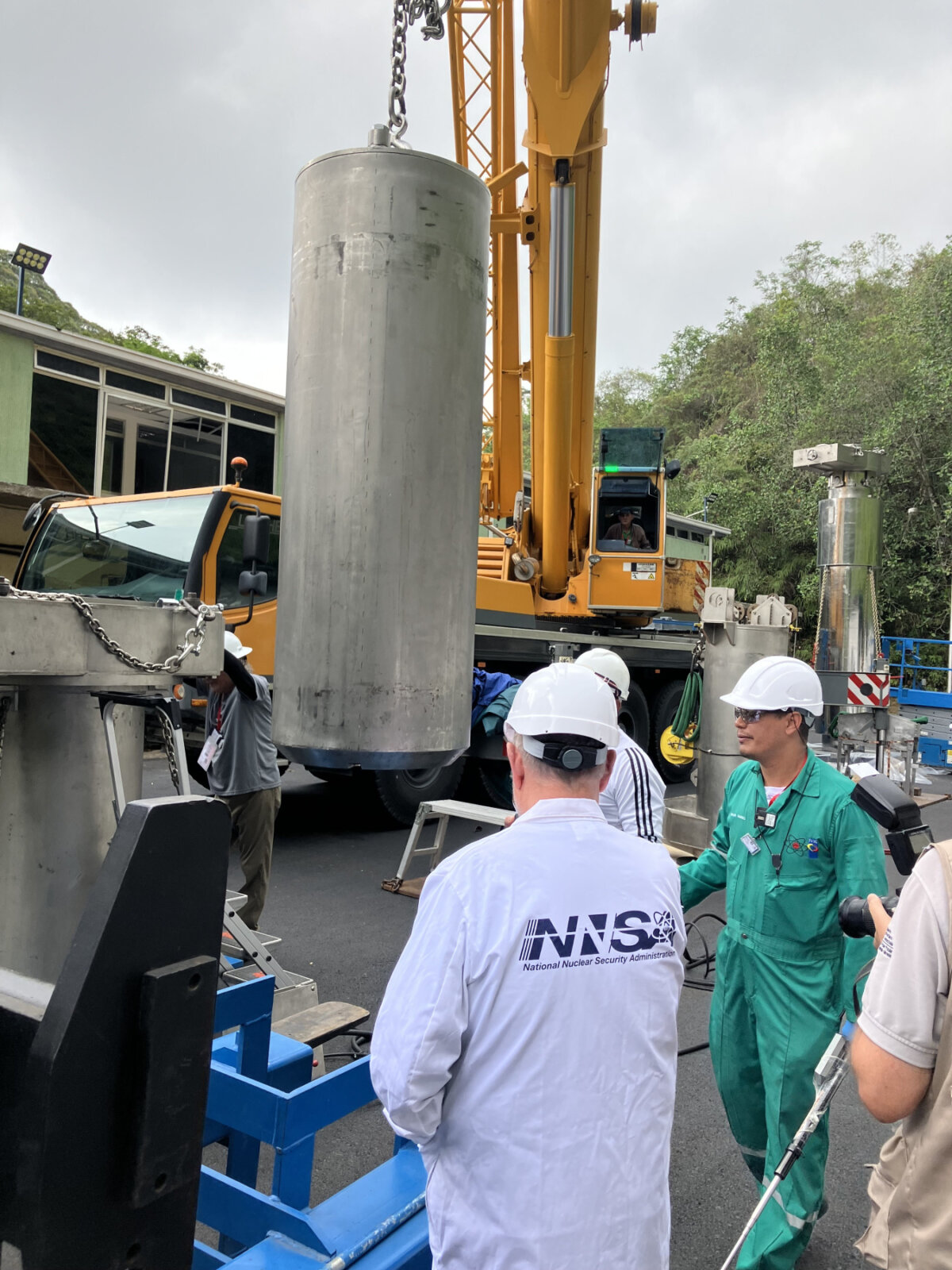 National Nuclear Security Administration technical experts oversee the loading of nuclear fuel into the specialized spent nuclear fuel cask in Venezuela as part of a special operation to remove the dangerous material in April 2026. (NNSA)
To secure the uranium, a team packaged it into a spent fuel cask. It was then escorted 100 miles over land to a Venezuelan port. From there, they transferred the cargo to a specialized carrier supplied by the UK and it arrived in the United States in early May.
Teams transported the uranium to its final stop at the Savannah River Site, a U.S. Department of Energy complex for nuclear weapons materials management, in South Carolina for processing and reuse.
“I couldn’t be prouder of the men and women who carried out this vital mission,” said Dr. Matt Napoli, Office of Defense Nuclear Nonproliferation deputy director, in a statement.
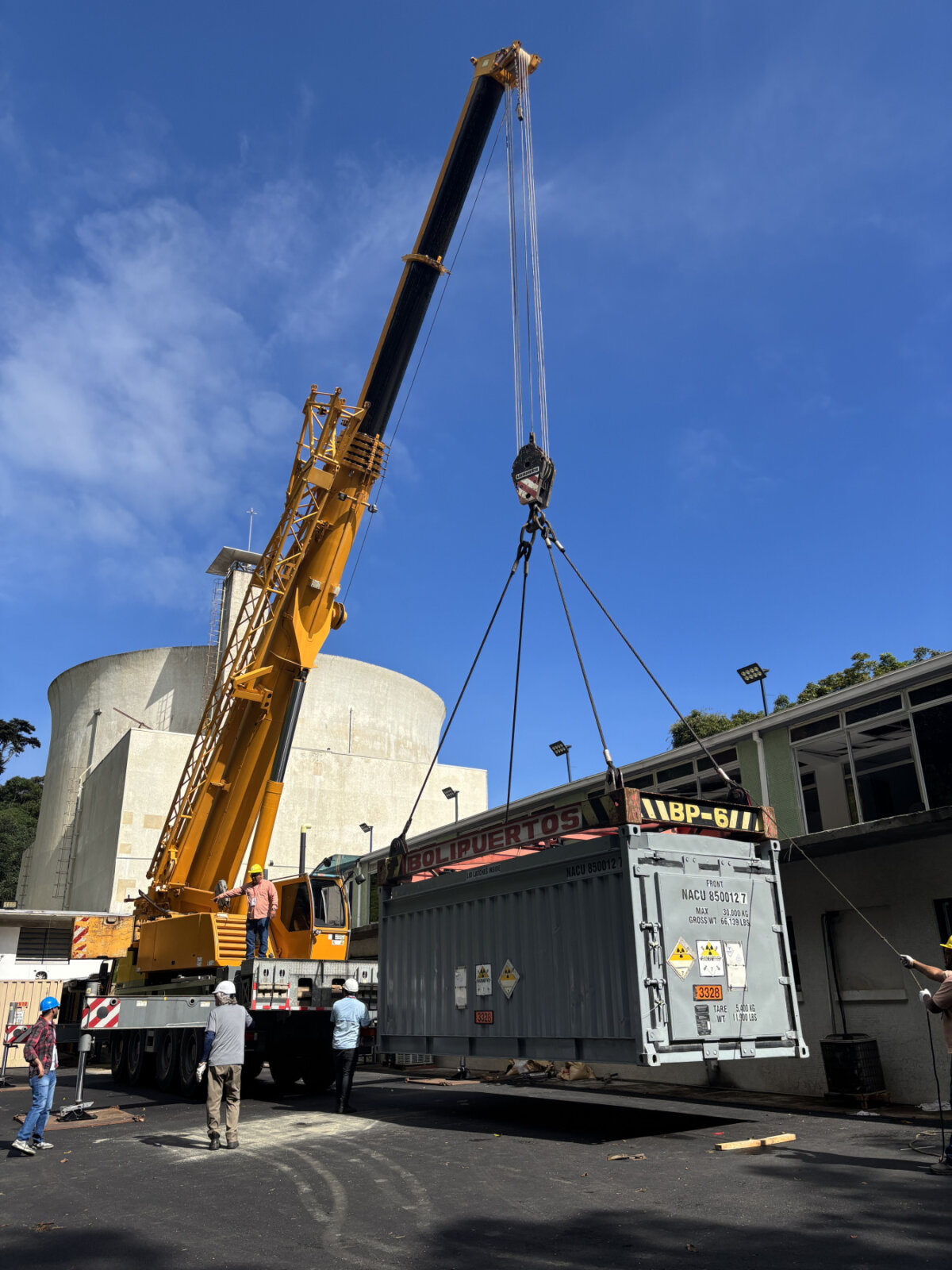
The mission was done in partnership with Venezuela and the UK, with technical support supplied by the IAEA.
President Donald Trump and Secretary of State Marco Rubio had a three-phase plan to fast-track the removal of the dangerous material. As a result, the operation was completed in a few months, instead of two years as was originally planned, according to the State Department.
Trump has focused efforts to get enriched uranium away from unstable countries during his second term and told reporters earlier this month he was determined to obtain the materials from Iran’s nuclear program. Iran has yet to hand over more than 900 pounds of the material, according to estimates.
Highly enriched uranium or plutonium is needed to make nuclear weapons. While plutonium is radioactive and hazardous, uranium is far less dangerous, according to the IAEA. The material is also hard to detect, making it easier to smuggle and hide.
Crude nuclear explosives can also be made much easier with enriched uranium, making it one of the most wanted materials by terrorists. Only 40 to 90 pounds are enough to make one explosive, according to the agency.
 Friends Read Free
Copy
Facebook
Tweet
Friends Read Free
Copy
Facebook
Tweet