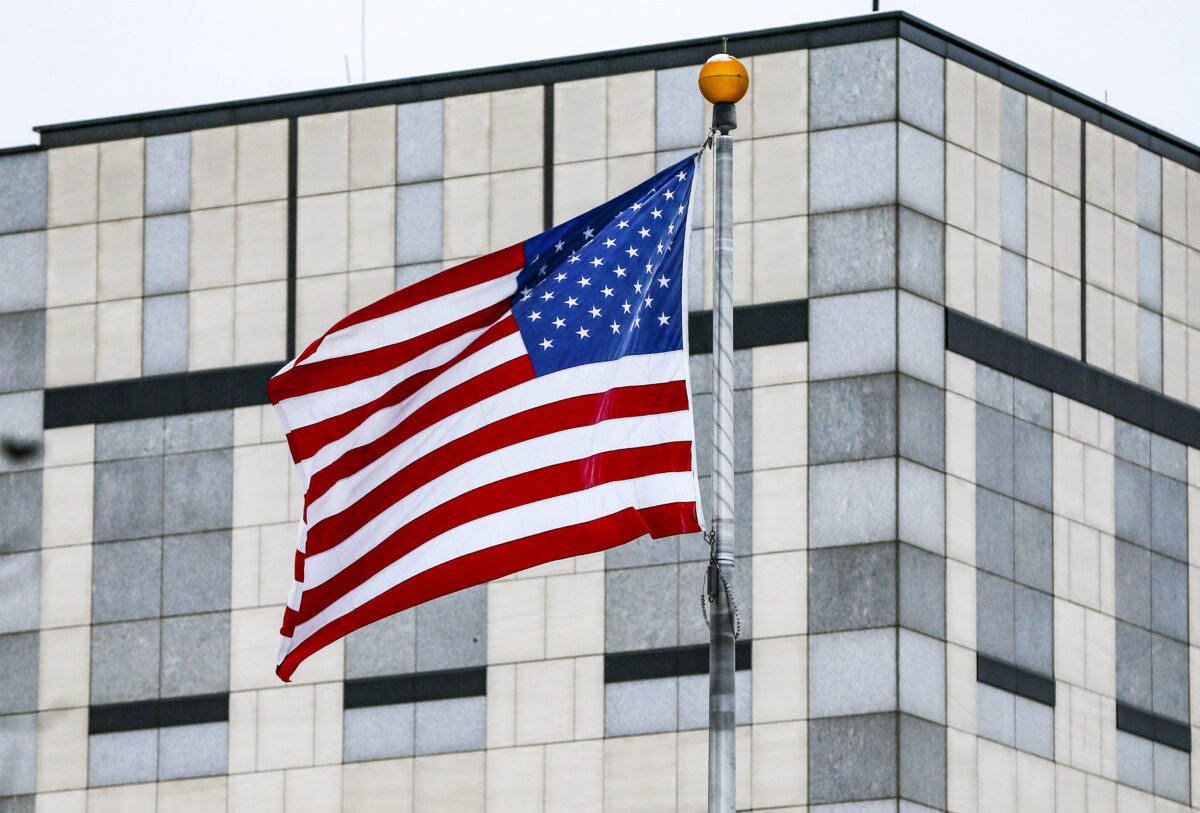

The U.S. Embassy in Australia’s capital on Tuesday warned that an Australian draft law regulating social media could lead to censorship and the overregulation of social platforms.
In a rare rebuke issued on its website, the U.S. Embassy in Canberra said the United States made a formal submission about “serious concerns” regarding the proposal.
The draft proposal, the embassy added, would effectively “dictate how platforms manage content and users’ feeds” and could compel Australia’s government to try to filter content to satisfy its own rules.
At the same time, such a proposal could force a “rigid, one-size-fits-all platform” requirement on all social media platforms, flagging what it said are “forced chronological feeds or opt-in recommendation systems” as potential risks, according to the statement.
“If Australia compels platforms to aggressively filter content in algorithmic feeds to satisfy a government mandate, and such filtering draws in protected speech, the effect on a disfavored speaker or media source’s reach would not be meaningfully different than outright removal,” the U.S. Embassy said. “The U.S. government would likely consider such a measure as facilitating censorship.”
Under draft laws proposed this month by Australia’s Labor government, social media platforms would be required to notify users and offer a default algorithm-recommended content feed, with the option to opt out and instead see posts only from accounts they choose to follow.
The embassy urged Canberra to clearly define how “foreseeable harm” and “risks” would be determined by the government, by whom, and against what standard, cautioning that such vague definitions risk enabling viewpoint-based censorship by forcing platforms to over-moderate speech to avoid regulatory penalties.
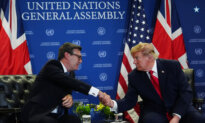
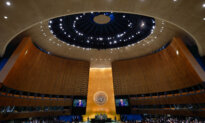
The comments came as Australian Prime Minister Anthony Albanese attends the U.N. General Assembly in New York, where he has been promoting his government’s technology reform agenda and raising concerns about the risks posed by artificial intelligence.
When asked by a reporter about the U.S. criticism of the draft legislation, Albanese said the proposed measure was not intended to grant governments greater authority, but rather to restore individuals’ control over their content choices, which was reflected in the way the policy has been framed.
“I will always stand up for Australia’s national interests, and the [reform] is something we have foreshadowed for some time,” Albanese said.
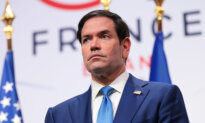
The White House has been critical of other countries’ attempts to regulate social media, including last year when Secretary of State Marco Rubio said in a post on X that several European Union officials were leading “organized efforts to coerce American platforms to punish American viewpoints they oppose.”
Meanwhile, Australia has already imposed controls on technology firms after it became the first country to place a ban on children under the age of 16 from accessing social media in December 2025.
The Australian government has said it is seeking feedback from digital platforms, industry bodies, civil society groups, and advocates on the draft “Digital Duty of Care” legislation, with the bill expected to be introduced to parliament this year.
The Australian Embassy in Washington did not immediately respond to a request for comment on Wednesday.
Reuters contributed to this report.
 Friends Read Free
Copy
Facebook
Tweet
Friends Read Free
Copy
Facebook
Tweet