



Seven years ago, Allison Christel was 25, working as a nurse, and running on empty. Her husband was going through a major health crisis, and between his care and her job, her own well-being collapsed.
“I was just completely neglecting my health,” she told The Epoch Times. “I gained over 25 pounds, felt extremely tired, was taking 2- to 3-hour naps a day when I wasn’t working, and sleeping 10 hours at night.”
After one week of eating differently, Christel stopped needing her afternoon nap. Three months in, her insulin levels that made her borderline diabetic were back to normal. She used no superfood or even supplement—just a new approach to the food on her plate.
The takeaway isn’t a single ingredient; it’s a pattern. Anti-inflammatory food lists are everywhere, but eating one here and there while otherwise eating poorly won’t move the needle. What works is eating inflammation-fighting foods consistently—and most of them are ordinary, accessible, convenient, and tasty.
Carbs Aren’t the Enemy
You might consider ditching your low-carb plans when you discover that most anti-inflammatory foods are carbohydrates—vegetables, fruits, seeds, and herbs.
“Insulin resistance is an issue for most people, and people think that if there’s insulin resistance that they can’t have carbs,” Martha McKittrick, a dietitian and certified diabetes educator, told The Epoch Times. “Do some people do better on a low-carb diet? Absolutely.”
Carbs, however, aren’t a problem for most people when eaten in their natural state and not heavily processed, cooked at high heat, or combined with inflammatory ingredients such as refined sugar.
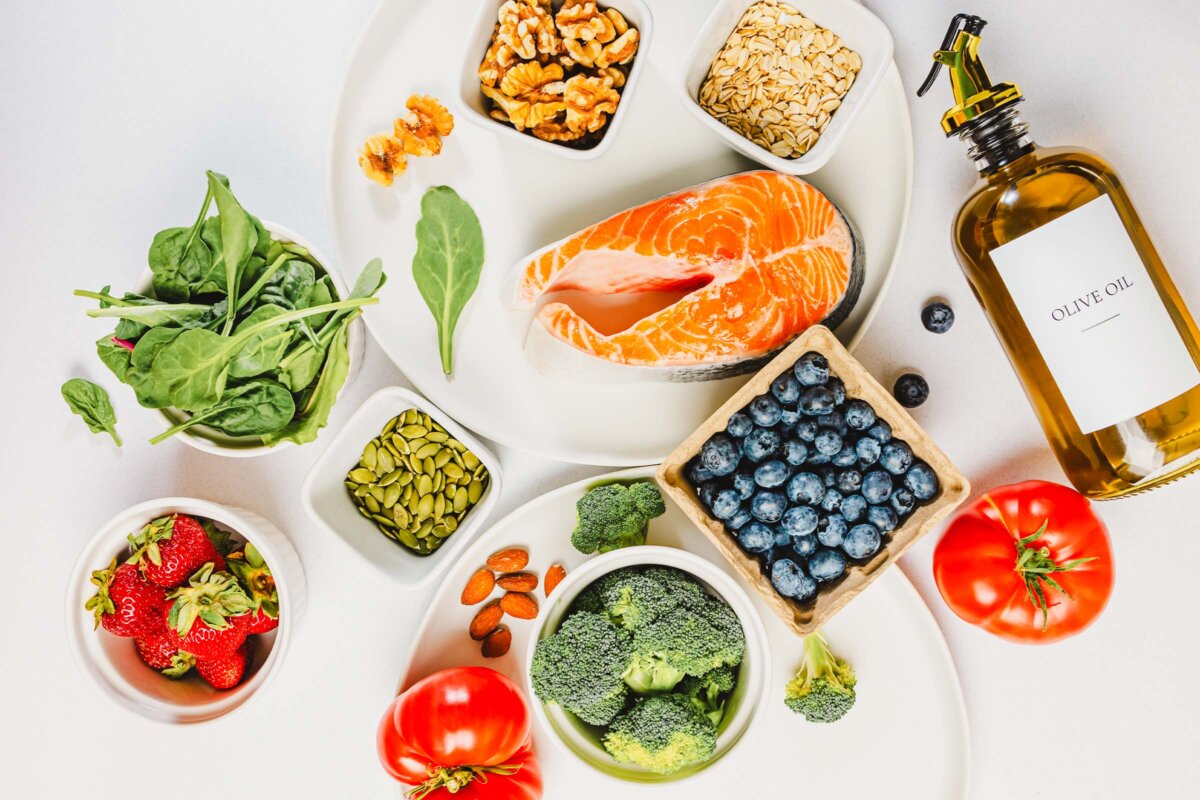
To identify a food’s anti-inflammatory potential, choose bright colors—deep reds, purples, oranges, and greens—that indicate a richness in compounds called polyphenols, which naturally deactivate inflammatory enzymes. These foods are also high in fiber, which feeds good bacteria that make inflammation-fighting short-chain fatty acids. Healthy fats help, too.
Eating these foods can help buffer the occasional indulgence in inflammatory foods, including sugary drinks and foods, refined carbs, fried foods, too much red meat, and trans fats such as margarine, shortening, and lard.
Anti-inflammatory carbohydrates to consider are:
Vegetables and Fruits
Both provide fiber and polyphenols. Berries are particularly high in polyphenols and anthocyanins, antioxidants that give them their bright colors. Christel is a fan of amla powder—dried Indian gooseberry with anti-inflammatory content that far exceeds other fruits.
Other strong picks are cruciferous vegetables such as broccoli, Brussels sprouts, and cauliflower, as well as peppers, cabbage, spinach, kale, carrots, cherries, oranges, apples, and kiwi.
Eating more fruits and vegetables is associated with lower levels of two inflammation biomarkers—C-reactive protein and TNF-alpha according to a meta-analysis published in The American Journal of Clinical Nutrition. One caveat: Nightshade vegetables such as tomatoes, eggplants, and bell peppers contain chemical compounds that could aggravate conditions like arthritis.
Ground Flaxseed
Besides being high in fiber, flaxseed provides alpha-linolenic acid (ALA), a plant-based omega-3 fat that blocks enzymes linked to swelling and tissue stress. Chia seeds and walnuts also contain ALA.
Supplementing with flaxseeds significantly decreased two of three inflammatory markers studied in a meta-analysis published in Prostaglandins & Other Lipid Mediators.
Herbs and Spices
Ginger contains gingerols, bioactive compounds that a meta-analysis published in Inflammopharmacology has shown can benefit several inflammatory biomarkers. However, the studies used ginger as a concentrated supplement, not as a spice added to meals.
Turmeric’s active compound, curcumin, has been found to reduce inflammatory biomarkers when taken as a supplement.
Coriander, sage, mint, basil, rosemary, oregano, and thyme add anti-inflammatory plant compounds to meals with essentially little to no effort. A study published in Nutrients highlighted all seven, supporting growing evidence that spice herbs can help prevent chronic inflammation.
Beyond Carbs
Carbohydrates aren’t the only macronutrient featuring anti-inflammatory properties. Others are:
Fatty Fish: Salmon, sardines, mackerel, and trout are rich in omega-3 fatty acids. Supplementing with omega-3 fatty acids improves some anti-inflammatory markers and benefits a variety of health conditions, according to a meta-analysis published in International Immunopharmacology.
Extra Virgin Olive Oil: In addition to containing polyphenols, extra virgin olive oil provides monounsaturated fats, which can push pro-inflammatory saturated fats out of cell membranes, restore membrane fluidity, deactivate inflammatory signaling, and prevent cellular stress.
Evidence also suggests that vegetable oils rich in anti-inflammatory monounsaturated and polyunsaturated fatty acids, such as canola oil and rice bran oil, have beneficial health effects.
Nuts: Along with being high in protein and fat, nuts are a carbohydrate source high in fiber and polyphenols. Examples are walnuts, almonds, pistachios, and pecans.
A study published in The American Journal of Clinical Nutrition found that substituting three servings of nuts a week for three servings of red meat, processed meat, eggs, or refined grains significantly lowered two inflammatory markers. Eating more nuts overall is associated with a reduced risk of cardiovascular disease and Type 2 diabetes.
Putting It All Together
Anti-inflammatory dietary patterns resemble the Mediterranean diet, which is rich in antioxidants, minerals, and vitamins with anti-inflammatory properties.
If these foods aren’t already part of your diet, McKittrick suggested adding them to your grocery list. If you’re worried about not having enough time to prepare fresh fruits and vegetables, she says you don’t necessarily have to eat them fresh. “I’m a huge fan of convenience products. Frozen veggies and frozen fruits are just as nutritious as fresh,” she said.
For your pantry, keep extra virgin olive oil, ground flaxseeds, and a variety of nuts and seeds on hand. Canned beans and canned salmon are also handy. “I was so afraid to try canned salmon,” McKittrick said. “I thought it was going to taste like cat food. It’s actually really good on a salad.”
She offered examples of how to combine a few ingredients.
Breakfast
-
Parfait: Plain Greek yogurt or cottage cheese with berries, ground flaxseed, and walnuts
-
Scramble: Eggs scrambled with spinach and peppers in extra virgin olive oil with berries on the side
Lunch
-
Salmon Salad: Salmon, bagged greens, vegetables of choice, and chickpeas with dressing made from extra virgin olive oil and lemon. You can also add herbs and spices.
-
Salmon Avocado Toast: Whole-grain bread topped with avocado, salmon, tomato, and arugula, with other raw veggies of choice on the side
-
Tuna and Bean Salad: Tuna and canned white beans with tomatoes, cucumber, arugula, extra virgin olive oil, and lemon
Dinner
-
Chicken and Lentils: In a skillet, combine chicken, lentils, spinach, peppers, extra virgin olive oil, garlic, ginger, and other spices
-
Salmon Pasta: Make pasta, then add salmon, broccoli, spinach, extra virgin olive oil, garlic, and lemon. Use legume pasta for extra protein and fiber.
-
Salmon or Chicken Bowl: Make a base of quinoa or brown rice, add salmon or chicken on top, mixed with greens and other vegetables, extra virgin olive oil, lemon, and walnuts
Christel, who went on to become a nurse practitioner and founded PlantedRX to help patients use food to prevent disease, often begins each day with a smoothie containing:
-
1 cup organic soy milk or water
-
3 ounces wild blueberries
-
1 teaspoon chia seeds
-
1/2 tablespoon freshly ground flax seeds
-
1 handful of leafy greens like spinach
-
1 banana
-
1/4 teaspoon amla powder
She uses an inexpensive coffee grinder to grind flax seeds, which unlocks more nutrient absorption.
“That smoothie is my biggest tool for people in boosting their anti-inflammatory and fiber count for the day,” Christel said.
Common Stumbling Blocks
It can take weeks to feel the effects of eating more anti-inflammatory foods. It also works most effectively when other areas of your lifestyle are healthy, too.
“People might zero in on diet but not look at the whole big picture,” McKittrick said.
That includes exercise, managing stress, and sleep—all of which can reduce cortisol and calm immune cells to keep inflammation in check.
Another mistake people commonly make is eating a 100 percent anti-inflammatory diet and leaving no room for an occasional treat, Christel said. It’s not sustainable for most people; they may quit altogether if they can’t achieve perfection. She aims to eat 80 to 90 percent anti-inflammatory foods.
Focusing on brightly colored fruits and vegetables and introducing one at a time into meals can help with sustainability. The long-term goal is a diverse intake of anti-inflammatory foods. If making that sustainable means permission to enjoy grandma’s Christmas cookies or a birthday cake, that’s OK.
“I’ve been successful with that,” Christel said, “and I’ve seen that over and over again with women that I’ve worked with, and science backs it up, too.”