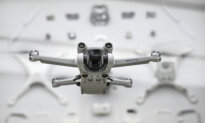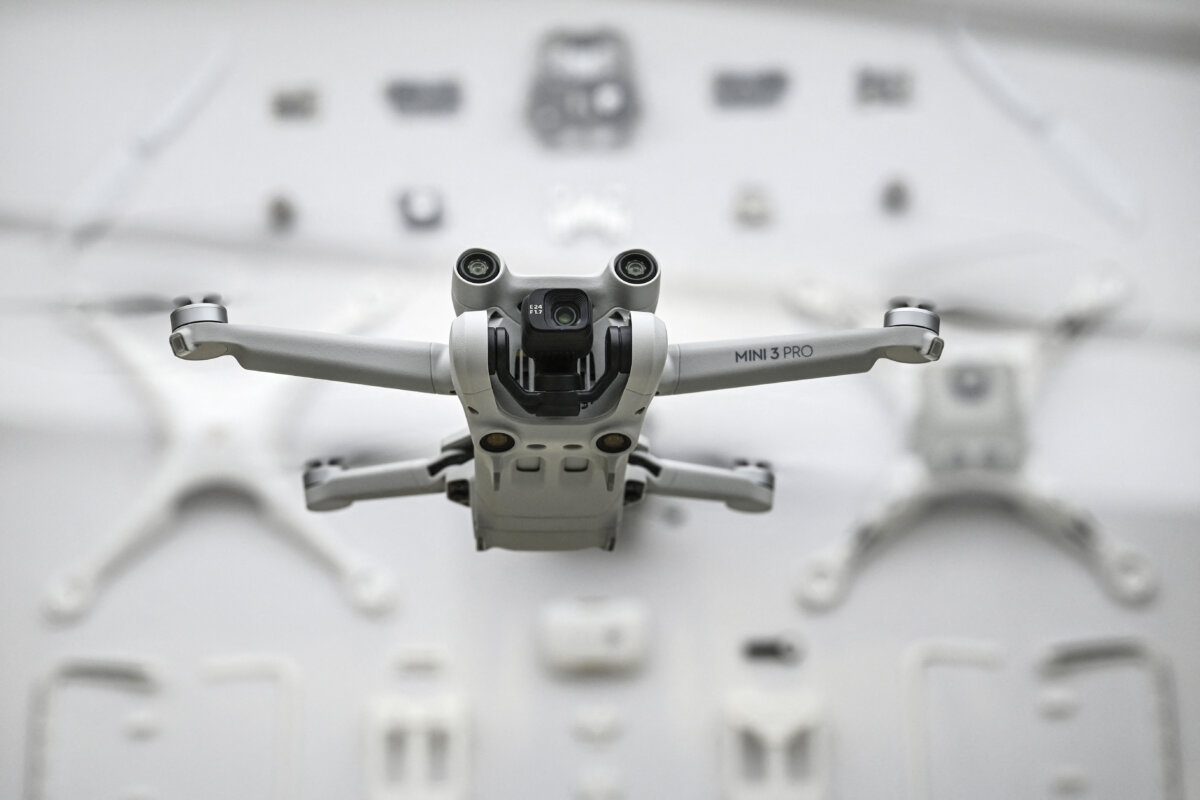

U.S. regulators have exempted four foreign-made drone systems and related components from an import ban after determining that they do not pose national security risks, the first significant carve-out since restrictions were imposed in 2025.
The Federal Communications Commission (FCC) said on March 18 it updated its “Covered List” to remove specific uncrewed aircraft systems (UAS) following a determination by the Department of War.
The agency said the devices had received “conditional approval” after a security review.
The models approved include SiFly Aviation’s Q12, Mobilicom’s SkyHopper systems, ScoutDI’s Scout 137, and Verge’s X1. The exemptions do not apply to major Chinese manufacturers, including DJI, which dominates the U.S. commercial drone market.
The move comes after the FCC in December 2025 added all foreign-produced drones and critical components to the covered list.
In a Dec. 22 public notice, the FCC said its decision followed an executive branch interagency review convened by the White House, which found that foreign drones and related critical components pose “unacceptable risks to the national security of the United States and to the safety and security of U.S. persons.”
The FCC said reducing these risks is key to restoring U.S. “airspace sovereignty,” warning that “criminals, hostile foreign actors, and terrorists” using foreign-made drones could threaten major upcoming events such as the 2026 FIFA World Cup, the America250 celebrations, and the 2028 Summer Olympics in Los Angeles.
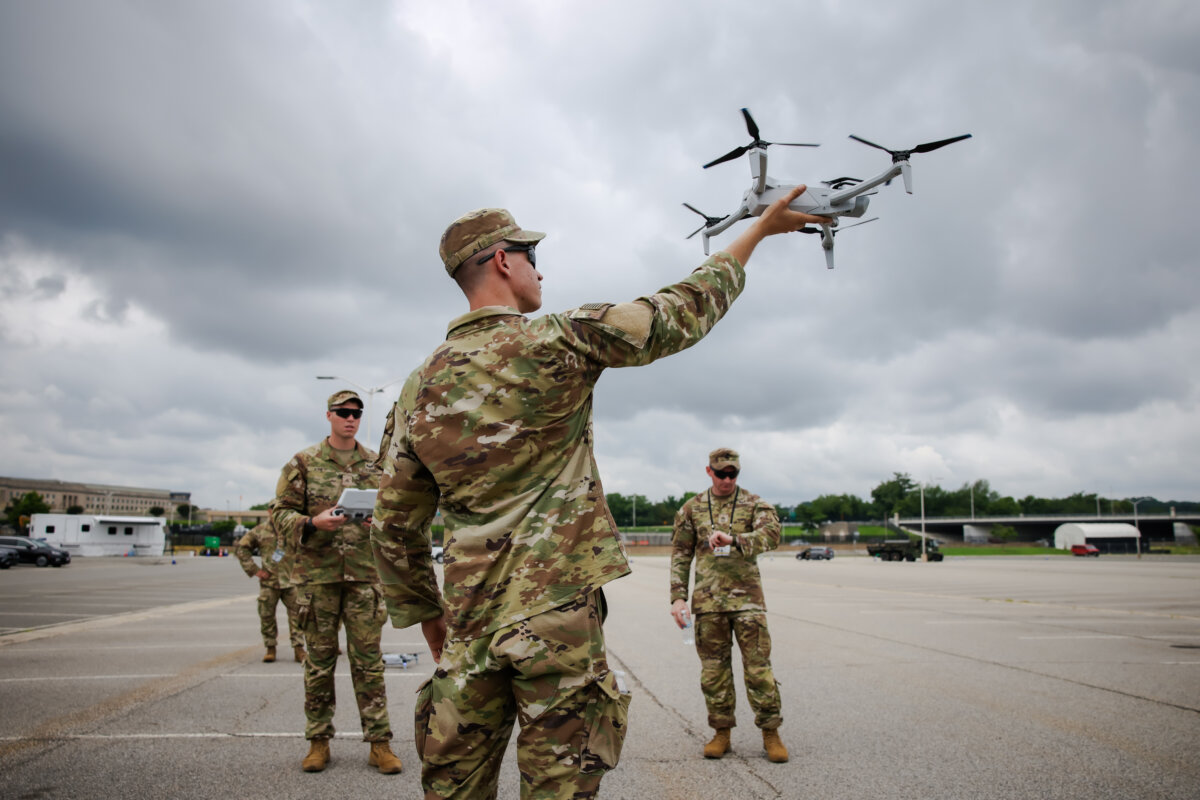
In January 2026, the Department of War issued a follow-up determination allowing exemptions for three categories through Jan. 1, 2027: drones already on the Defense Department’s “Blue UAS Cleared List,” those qualifying as domestic end products under Buy American rules, and devices granted conditional approval after individual review.
Regulators said the newly approved systems met the standard of not posing unacceptable risks, requiring the FCC to update the list accordingly.
Balance Between Security, Consumer Use
Last month, DJI filed a lawsuit challenging the FCC decision that effectively bars imports of its new models and components. The company said the policy unfairly restricts its U.S. business and denies customers access to its latest technology.
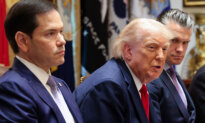
FCC Chair Brendan Carr told Reuters last week that the FCC was trying to balance national security concerns with users’ needs.
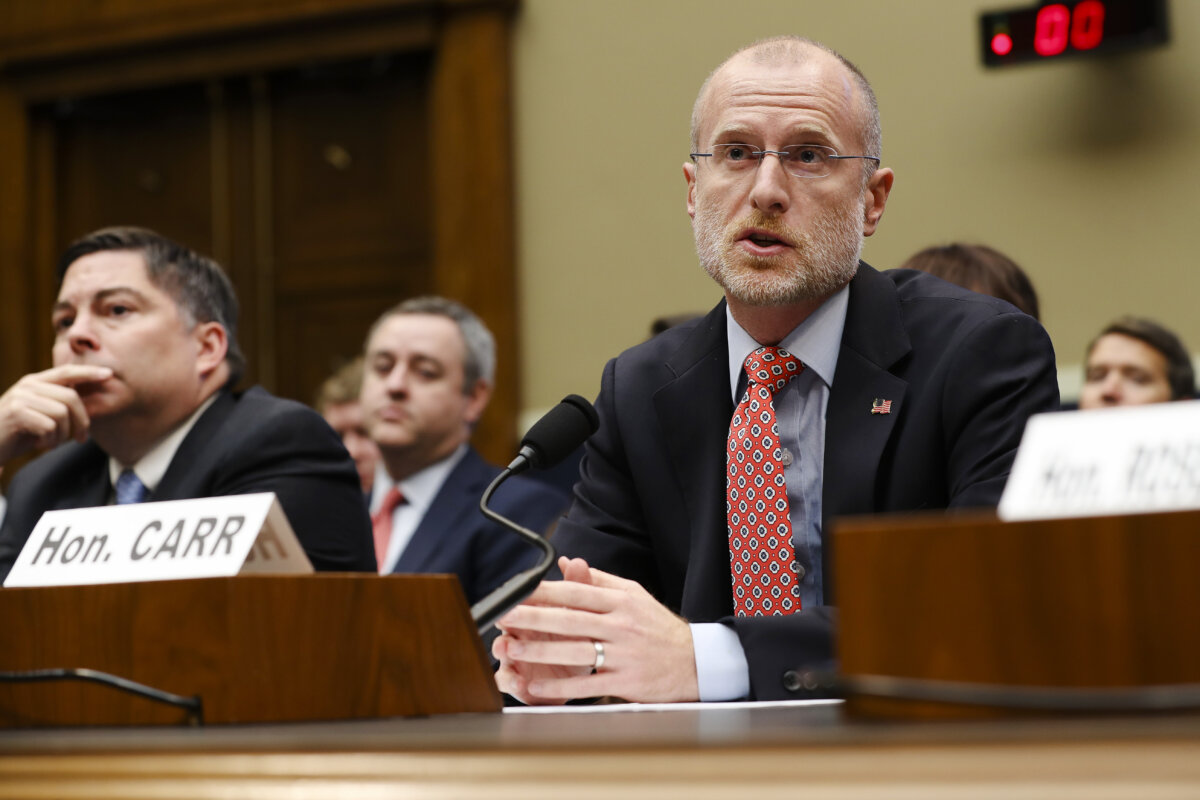
Carr said the policy makes clear there is “an end date for these foreign drones,” adding that regulators did not want to unnecessarily disrupt hobbyists or commercial operators.
Wider National Security Push
The drone restrictions are part of a broader push by the FCC to reduce dependence on foreign adversaries in sensitive technology sectors.
In a March 16 statement marking the first anniversary of the agency’s Council on National Security, Carr said the initiative aims to address supply chain vulnerabilities and emerging technology competition.
The council’s mission includes reducing reliance on foreign suppliers, mitigating risks from cyberattacks and espionage, and ensuring U.S. leadership in fields such as 5G, artificial intelligence, robotics, and autonomous systems.
Public Safety and Homeland Security Bureau Chief Zenji Nakazawa said the bureau had helped remove “foreign adversaries from the U.S. communications sector,” including through updates to the equipment authorization program and covered list.
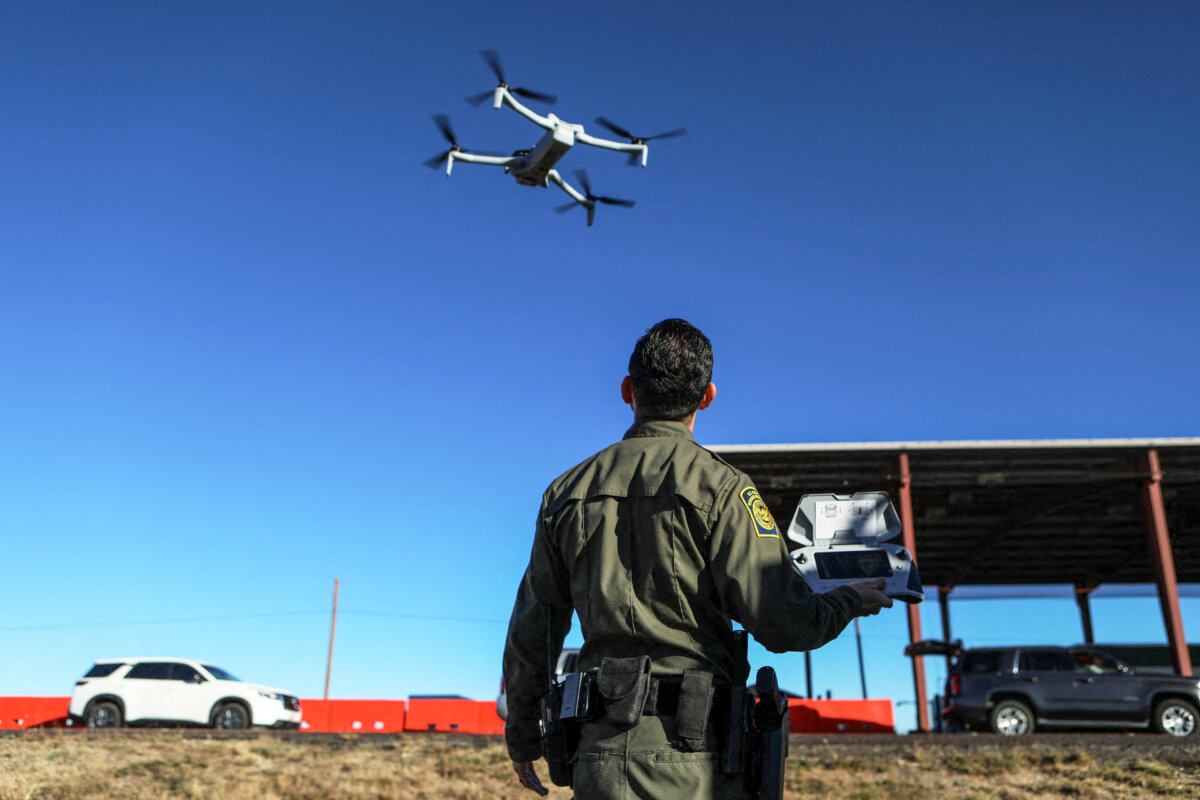
He said the bureau also supported counter-drone operations and critical infrastructure protection efforts.
Office of Engineering and Technology Chief Andy Hendrickson said his office strengthened the integrity of the authorization process by removing untrusted testing labs and closing loopholes that could allow insecure components into U.S. devices.
The FCC said on March 18 that the conditional approvals granted to the four systems will expire on Dec. 31 unless extended.
Reuters contributed to this report.
 Friends Read Free
Copy
Facebook
Tweet
Friends Read Free
Copy
Facebook
Tweet