The United States is officially out of the Paris Agreement, a legally binding international treaty in which 195 signatory nations pledged to reduce CO2 emissions to control global temperatures.
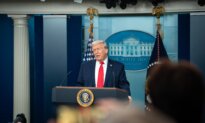
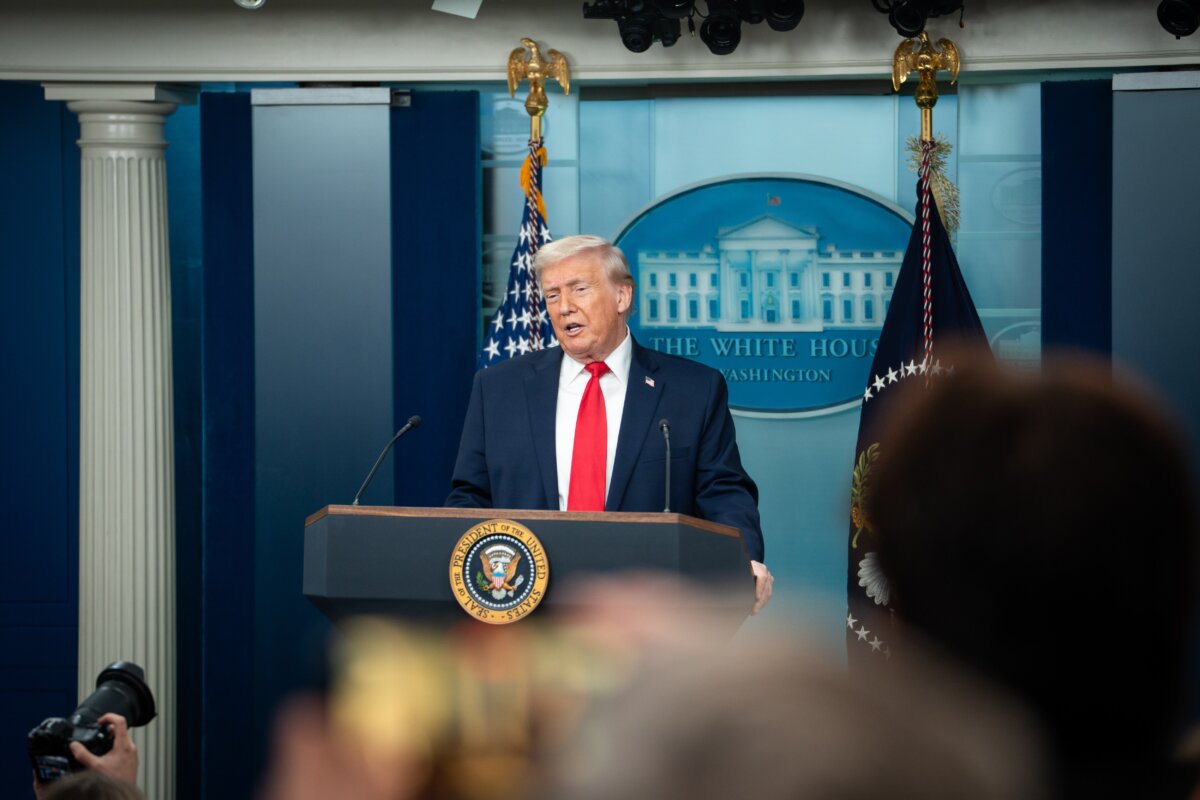
President Donald Trump announced America’s withdrawal one year ago, stating in Executive Order 14162 that such agreements “do not reflect our country’s values or our contributions to the pursuit of economic and environmental objectives” and that they “steer American taxpayer dollars to countries that do not require, or merit, financial assistance in the interests of the American people.”
Trump has been a strong advocate of increasing America’s energy production, with particular emphasis on oil, gas, coal, and nuclear energy. Trump stated upon taking office in 2025 that it was “in the national interest to unleash America’s affordable and reliable energy and natural resources” to meet the rapidly growing demand for energy due to, among other things, the rise of artificial intelligence and the proliferation of data centers.
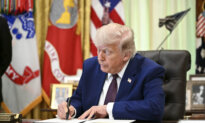
His 2025 order removing the United States from the Paris Agreement and other similar international organizations reflected the antipathy within his administration toward global authorities on issues such as climate, health, and social justice. The order stated that “many of these bodies promote radical climate policies, global governance, and ideological programs that conflict with U.S. sovereignty and economic strength.”
This move follows the United States’ withdrawal from the World Health Organization (WHO) on Jan. 22 and its exit from 66 United Nations-sponsored climate and social justice organizations, including the U.N. Framework Convention on Climate Change (UNFCCC).
Despite the pledges made by other members of the Paris Agreement, the United States has been the leading nation in cutting CO2 emissions, largely due to the increased use of clean-burning natural gas. A 2021 report by the Institute for Energy Research, stated that “declines in CO2 emissions between 2005 and 2020 were led by the United States” with U.S. greenhouse gas emissions falling by 24 percent, or 1.4 billion metric tons, over that period. During the same period, worldwide CO2 emissions from energy increased by 14 percent or 3.9 billion metric tons.
The Paris Agreement was signed in 2015 under the auspices of the UNFCCC. It sets specific emissions goals for each member nation in an attempt to limit global temperature increases to less than 2 degrees celsius above pre-industrial levels.
The United States signed on to the Paris Agreement under President Barack Obama in 2016, but it was never ratified as a treaty by the U.S. Senate as required under the Constitution. President Trump first announced America’s withdrawal from the pact in 2017, but President Joe Biden reversed this order, rejoining in 2021.
In January 2025, Trump removed the United States from the agreement once again. However, the Paris Agreement states that withdrawal “shall take effect upon expiry of one year from the date of receipt by the Depositary of the notification of withdrawal, or on such later date as may be specified in the notification of withdrawal,” and for this reason, America’s withdrawal did not become official until Jan. 27.
In December 1997, the countries that were parties to the UNFCCC negotiated the Kyoto Protocol, a predecessor to the Paris Agreement, which was signed by President Bill Clinton but not submitted to the Senate for approval, as expectations were that it would be rejected. The United States is the only country so far to have withdrawn from the Paris pact.
Simon Stiell, UNFCCC executive secretary, stated that America’s withdrawal from the Paris Agreement was, to use a soccer analogy, “a colossal own goal which will leave the U.S. less secure and less prosperous,” and that “the doors remain open for the U.S. to reenter in the future.”
America’s withdrawal follows a flood of corporate exits from U.N.-sponsored climate clubs, including the Net Zero Banking Alliance, the Net Zero Insurance Alliance, and the Net Zero Asset Managers initiative, over the past several years.
 Friends Read Free
Copy
Facebook
Tweet
Friends Read Free
Copy
Facebook
Tweet